Have you ever thought about joining the world of cryptocurrency? It can feel a bit overwhelming at first, but with the right guidance, you can navigate through the process and make informed decisions. This guide will help you understand how to buy cryptocurrency, especially if you’re just starting out.
Understanding Cryptocurrency
Before jumping into the purchasing process, it’s essential to understand what cryptocurrency is. Cryptocurrencies are digital or virtual currencies that use cryptography for security. Unlike traditional currencies issued by governments, cryptocurrencies operate on a technology called blockchain, which is a distributed ledger that records all transactions across a network of computers. This decentralized nature offers both advantages and disadvantages.
Why Consider Cryptocurrency?
Investing in cryptocurrency has become increasingly popular for various reasons. You might be drawn to its potential for high returns, the innovation behind blockchain technology, or even the desire for financial independence from traditional banking systems. However, you should also be aware of the risks involved, as the crypto market can be very volatile.
Choosing the Right Cryptocurrency
With thousands of cryptocurrencies available, figuring out which one to buy can be challenging. Bitcoin remains the most well-known, but there are many other options, often referred to as altcoins.
Popular Cryptocurrencies
Here’s a brief overview of some popular cryptocurrencies:
| Cryptocurrency | Overview |
|---|---|
| Bitcoin (BTC) | The first and most widely recognized cryptocurrency. It is often seen as a digital gold. |
| Ethereum (ETH) | A platform that enables smart contracts and decentralized applications (dApps). |
| Binance Coin (BNB) | Initially created to pay trading fees on the Binance exchange, it has grown in utility and adoption. |
| Cardano (ADA) | Known for its focus on security, sustainability, and scalability, helping to build a more balanced and sustainable ecosystem. |
| Solana (SOL) | A fast and low-cost blockchain platform optimized for dApps and decentralized finance (DeFi). |
It’s important to conduct your own research (commonly referred to as “DYOR”) before making any investment. Look into the technology, use cases, developer activity, and community engagement behind each cryptocurrency to make an informed decision.

Setting Up Your Cryptocurrency Wallet
Once you’ve chosen a cryptocurrency, you’ll need a wallet to store your coins securely. A cryptocurrency wallet is a digital tool that allows you to store and manage your cryptocurrencies. There are two main types: hot wallets and cold wallets.
Hot Wallets vs. Cold Wallets
| Type | Description |
|---|---|
| Hot Wallets | These are connected to the internet and typically more convenient for trading, but they can be more vulnerable to hacks. Examples include mobile apps and online services. |
| Cold Wallets | These are offline storage methods, making them much more secure. Examples include hardware wallets and paper wallets. |
If you plan to trade frequently, a hot wallet may suit your needs better. If you’re looking to hold your assets long-term, consider a cold wallet for enhanced security.
Choosing a Cryptocurrency Exchange
To buy cryptocurrency, you’ll usually need to go through a cryptocurrency exchange. This is where you can trade traditional currency (like USD, EUR, etc.) for cryptocurrencies. There are many exchanges available, each with its pros and cons.
Popular Cryptocurrency Exchanges
| Exchange | Overview |
|---|---|
| Coinbase | A beginner-friendly platform with a user-friendly interface and a variety of coins. |
| Binance | Offers a wide array of cryptocurrencies and advanced trading features, but can be complex for beginners. |
| Kraken | Known for its security measures, it supports a range of cryptocurrencies and has a solid reputation. |
| Gemini | A regulated exchange based in the United States, it focuses on security and compliance. |
| Bitstamp | One of the oldest exchanges, known for its reliability and good customer service. |
When choosing an exchange, consider factors like fees, supported currencies, security features, and whether it is available in your country.

Creating an Account on an Exchange
After selecting an exchange, the next step is to create an account. Here’s a general procedure you can expect:
- Sign Up: Provide your email and create a password for your account.
- Verify Your Identity: Most exchanges require you to verify your identity as part of their Know Your Customer (KYC) process. This usually involves submitting a government-issued ID and other personal information.
- Enable Two-Factor Authentication (2FA): For added security, enable 2FA. This may involve linking your account to your mobile device through an authentication app.
- Make a Deposit: Link your bank account or credit card to make purchases. Depending on the platform, you may also have the option to deposit other cryptocurrencies.
Making Your First Purchase
Now comes the exciting part—buying your first cryptocurrency! Once your account is set up and funded, you can place an order.
Types of Orders
When buying cryptocurrency, you’ll navigate through different order types:
| Order Type | Description |
|---|---|
| Market Order | Buy or sell immediately at the current market price. |
| Limit Order | Set a specific price at which you’re willing to buy or sell. This order only executes if the price reaches your set threshold. |
| Stop Order | Used to buy or sell once the price moves above or below a particular level, limiting losses or protecting profits. |
Most beginners start with market orders for their first purchase. Once you become more familiar with how the market operates, you can begin exploring limit and stop orders.

Understanding Transaction Fees
When buying cryptocurrency, be sure to understand the fees associated with transactions. Exchanges typically take a fee for trading, which can vary based on factors like the total amount being traded, the payment method, and your trading volume.
Common Types of Fees
| Fee Type | Description |
|---|---|
| Trading Fees | Typically a percentage of the trade amount. |
| Deposit Fees | Charged for adding funds to your account, depending on your payment method. |
| Withdrawal Fees | Charged when you transfer cryptocurrency from your exchange wallet to your personal wallet. |
Keep these fees in mind when planning your purchases, as they can impact your overall investment strategy.
Storing Your Cryptocurrency Safely
After purchasing your cryptocurrency, it’s crucial to store it safely. If you keep your assets on an exchange, consider the potential risks of hacks. Moving your cryptocurrency to your own wallet can provide better security.
Securing Your Wallet
To keep your wallet secure, follow these best practices:
- Use Strong Passwords: Create unique, complex passwords for your accounts.
- Enable Two-Factor Authentication: Additional verification steps add an extra layer of protection.
- Backup Your Wallet: Keep a secure backup of your wallet’s private keys or recovery phrases. This ensures you can access your assets even if you lose your device.
Knowing When to Sell
One of the key components of trading is knowing when to sell your cryptocurrency. This decision can be influenced by a variety of factors, including market trends, technological advancements, and personal financial goals.
Setting Goals
Before investing, it might be helpful to establish your financial goals. Are you looking for short-term gains, or are you investing for the long haul? Having a clear plan in mind will help guide your selling decisions.
Market Conditions
Keep an eye on market conditions. If you notice a significant change in price or overall market sentiment, it might be time to reconsider your position. Analyzing market trends, news, and global events can give you additional insights.
Tax Implications of Cryptocurrency
As you buy and sell cryptocurrency, it’s crucial to understand the tax implications. In many countries, cryptocurrencies are treated as assets, meaning that any gains you make may be subject to capital gains tax.
Keeping Records
To comply with tax laws, maintain records of your transactions. This includes the dates of purchases and sales, amounts, and any associated fees. Many exchanges provide transaction history that can help simplify this process.

The Importance of Education
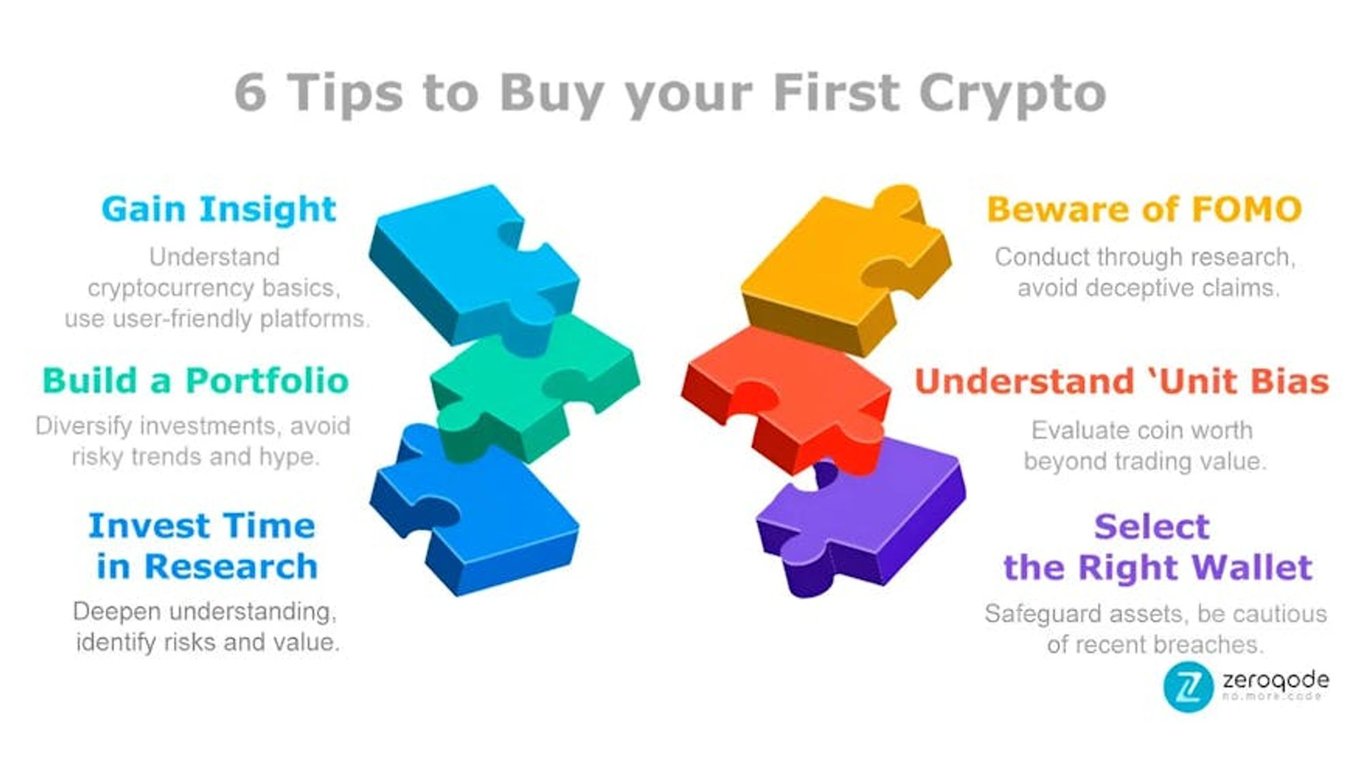
The cryptocurrency space is continually evolving. As a beginner, it’s essential to invest time in educating yourself about the technology, market trends, and best practices.
Reliable Resources
Consider following reputable news sites, joining forums, or participating in online communities to stay informed. Engaging with others in the cryptocurrency space can provide valuable insights and shared experiences.
Final Thoughts
Investing in cryptocurrency can seem intimidating, especially as a beginner. However, with the right knowledge and resources, you can navigate the process and make informed choices. Always remember to conduct thorough research before investing, understand the risks, and stay educated.
Your journey into the world of cryptocurrency is just beginning. As you gain experience and confidence, you can explore various strategies and opportunities. No matter your goals, patience and ongoing education will be your greatest allies as you navigate this fascinating landscape. Always take the time to weigh your options, and make decisions that align with your financial goals.
Happy investing; your future self may thank you!