Decentralized Finance, commonly referred to as DeFi, represents a revolutionary shift in the financial landscape, enabling individuals like you to engage in financial transactions without the need for traditional intermediaries such as banks or brokers. At its core, DeFi leverages blockchain technology to create an open-source financial ecosystem that is accessible to anyone with an internet connection. This democratization of finance allows you to lend, borrow, trade, and earn interest on your assets in a peer-to-peer manner, fundamentally altering how you interact with money.
As you delve deeper into the world of DeFi, you’ll discover that it encompasses a wide array of financial services, including decentralized exchanges (DEXs), lending platforms, and stablecoins. These services operate on smart contracts—self-executing contracts with the terms of the agreement directly written into code—ensuring transparency and security. By participating in DeFi, you can take control of your financial destiny, bypassing traditional gatekeepers and enjoying greater autonomy over your assets.
However, it’s essential to approach this new frontier with caution, as the rapid evolution of DeFi also brings inherent risks and challenges that you must navigate.
Key Takeaways
- DeFi refers to a financial system built on public blockchains that allows for decentralized and permissionless access to financial services.
- When choosing a crypto wallet for DeFi, consider factors such as security, user interface, and compatibility with the DeFi platforms you plan to use.
- Smart contracts are self-executing contracts with the terms of the agreement directly written into code, and they play a crucial role in providing various DeFi services.
- DeFi lending and borrowing allow users to lend out their crypto assets and earn interest, or borrow assets by providing collateral, all without the need for a traditional financial intermediary.
- Staking involves participating in a blockchain network by holding and locking up a certain amount of tokens, while yield farming involves using various DeFi protocols to earn high returns on crypto assets.
Choosing the Right Crypto Wallet for DeFi
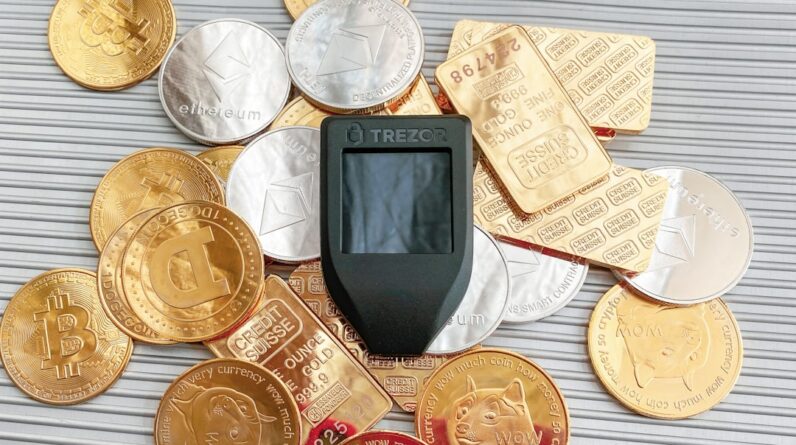
Selecting the appropriate crypto wallet is a crucial step in your DeFi journey. With various options available, including hardware wallets, software wallets, and mobile wallets, you need to consider factors such as security, ease of use, and compatibility with DeFi platforms. Hardware wallets, for instance, offer enhanced security by storing your private keys offline, making them less susceptible to hacking.
If security is your top priority, investing in a hardware wallet might be the best choice for safeguarding your assets. On the other hand, software wallets provide greater convenience and accessibility for daily transactions. These wallets can be easily integrated with DeFi platforms, allowing you to interact seamlessly with various services.
When choosing a wallet, ensure it supports the specific tokens and protocols you plan to use within the DeFi ecosystem. Additionally, consider wallets that offer built-in features such as staking or lending capabilities, which can enhance your overall experience and streamline your interactions with DeFi services.
Utilizing Smart Contracts for DeFi Services

Smart contracts are the backbone of the DeFi ecosystem, enabling trustless transactions and automating processes that traditionally required intermediaries. As you explore DeFi services, you’ll encounter numerous applications that utilize smart contracts to facilitate lending, trading, and other financial activities. By understanding how these contracts work, you can make informed decisions about which platforms to engage with and how to optimize your interactions.
When you utilize smart contracts in DeFi, you’re essentially entering into agreements that are executed automatically when predetermined conditions are met. This eliminates the need for third-party verification and reduces the risk of fraud or manipulation. For example, if you’re lending your crypto assets on a DeFi platform, a smart contract will automatically handle the terms of the loan, including interest rates and repayment schedules.
This level of automation not only enhances efficiency but also empowers you to participate in financial activities with greater confidence.
Exploring DeFi Lending and Borrowing with Crypto
DeFi lending and borrowing platforms have gained immense popularity due to their ability to provide users like you with access to liquidity without the constraints of traditional banking systems. By depositing your crypto assets into a lending platform, you can earn interest on your holdings while simultaneously allowing others to borrow against their crypto collateral. This creates a mutually beneficial environment where lenders earn passive income while borrowers gain access to funds without selling their assets.
As you navigate the world of DeFi lending and borrowing, it’s essential to understand the mechanics behind these platforms. Most operate on an over-collateralization model, meaning that borrowers must provide collateral worth more than the amount they wish to borrow. This mitigates risk for lenders and ensures that loans are backed by sufficient assets.
Additionally, interest rates on DeFi loans can fluctuate based on supply and demand dynamics within the platform, providing opportunities for savvy users like you to capitalize on favorable conditions.
Participating in DeFi Staking and Yield Farming
Staking and yield farming are two popular strategies within the DeFi space that allow you to earn rewards on your crypto holdings. Staking involves locking up your assets in a network to support its operations—such as validating transactions—while earning rewards in return. This process not only helps secure the network but also provides you with a steady stream of income based on the amount staked and the network’s reward structure.
Yield farming takes this concept a step further by allowing you to maximize returns through strategic asset allocation across various DeFi protocols. By providing liquidity to decentralized exchanges or lending platforms, you can earn additional tokens as rewards. However, yield farming often involves navigating complex strategies and understanding impermanent loss—the potential loss incurred when providing liquidity in volatile markets.
As you explore these opportunities, it’s crucial to conduct thorough research and assess your risk tolerance before committing your assets.
Diversifying Investments with DeFi Asset Management

In the ever-evolving landscape of DeFi, diversification is key to managing risk and optimizing returns on your investments. With a plethora of projects and protocols available, you have the opportunity to spread your investments across different assets and strategies. This approach not only mitigates potential losses from any single investment but also allows you to capitalize on various market trends.
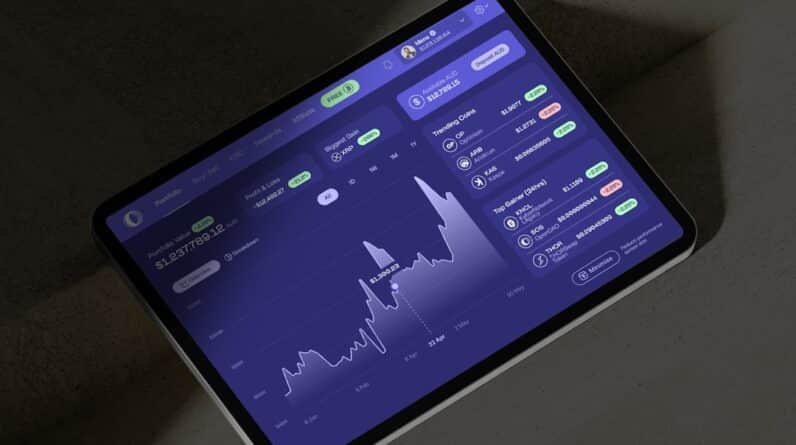
DeFi asset management platforms can assist you in creating a diversified portfolio tailored to your financial goals. These platforms often provide tools for tracking performance, rebalancing assets, and automating investment strategies. By leveraging these resources, you can make informed decisions about where to allocate your funds while minimizing the time spent managing your investments.
As you build your portfolio, remember that staying informed about market developments and emerging projects is essential for maintaining a competitive edge in the dynamic world of DeFi.
Managing Risk and Security in DeFi Services
While DeFi offers exciting opportunities for financial growth, it also comes with inherent risks that you must be aware of as an investor. The decentralized nature of these platforms means that they are often less regulated than traditional financial institutions, making them susceptible to hacks, smart contract vulnerabilities, and market volatility. To protect yourself in this environment, it’s crucial to adopt a proactive approach to risk management.
One effective strategy is conducting thorough due diligence before engaging with any DeFi platform. Research the project’s team, audit history, and community feedback to gauge its credibility and security measures. Additionally, consider diversifying your investments across multiple platforms rather than concentrating your assets in one place.
This way, if one platform experiences issues or fails, your overall exposure remains limited. Implementing strong security practices—such as using hardware wallets and enabling two-factor authentication—can further safeguard your assets against potential threats.
Keeping Up with Regulatory Changes in DeFi
As DeFi continues to gain traction globally, regulatory scrutiny is increasing as governments seek to understand and manage this rapidly evolving sector. Staying informed about regulatory changes is essential for anyone participating in DeFi services like yourself. Different jurisdictions may impose varying regulations on cryptocurrencies and decentralized finance activities, impacting how you can engage with these platforms.
To navigate this landscape effectively, consider following reputable news sources and industry publications that cover regulatory developments in real-time. Engaging with online communities or forums focused on DeFi can also provide valuable insights into how regulations may affect specific projects or protocols. By remaining vigilant about regulatory changes and adapting your strategies accordingly, you can position yourself for success while minimizing potential legal risks associated with participating in decentralized finance.
In conclusion, Decentralized Finance represents a transformative shift in how individuals like you interact with financial services. By understanding its core principles and navigating its complexities—such as choosing the right wallet, utilizing smart contracts effectively, exploring lending and borrowing opportunities, participating in staking and yield farming, diversifying investments through asset management, managing risks diligently, and staying informed about regulatory changes—you can harness the full potential of this innovative financial ecosystem while safeguarding your interests along the way.
FAQs
What is decentralized finance (DeFi)?
Decentralized finance (DeFi) refers to the use of blockchain technology and cryptocurrencies to recreate traditional financial systems such as lending, borrowing, and trading in a decentralized manner, without the need for traditional intermediaries like banks.
What are some examples of DeFi services?
Some examples of DeFi services include decentralized exchanges (DEX), lending platforms, stablecoins, yield farming, and decentralized autonomous organizations (DAOs).
How can I use crypto for DeFi services?
To use crypto for DeFi services, you can start by acquiring cryptocurrencies such as Bitcoin or Ethereum from a cryptocurrency exchange. Once you have the cryptocurrencies, you can then use them to participate in various DeFi services such as lending, borrowing, or trading on decentralized platforms.
What are the benefits of using crypto for DeFi services?
Using crypto for DeFi services can provide benefits such as lower fees, faster transactions, greater accessibility, and the ability to participate in financial services without the need for traditional intermediaries.
What are the risks of using crypto for DeFi services?
Some of the risks of using crypto for DeFi services include smart contract vulnerabilities, price volatility, regulatory uncertainty, and the potential for loss of funds due to hacks or security breaches.
How can I ensure the security of my crypto assets when using DeFi services?
To ensure the security of your crypto assets when using DeFi services, it is important to use reputable platforms, conduct thorough research, use secure wallets, and consider using hardware wallets for added security. Additionally, it is important to be cautious of potential scams and phishing attempts.