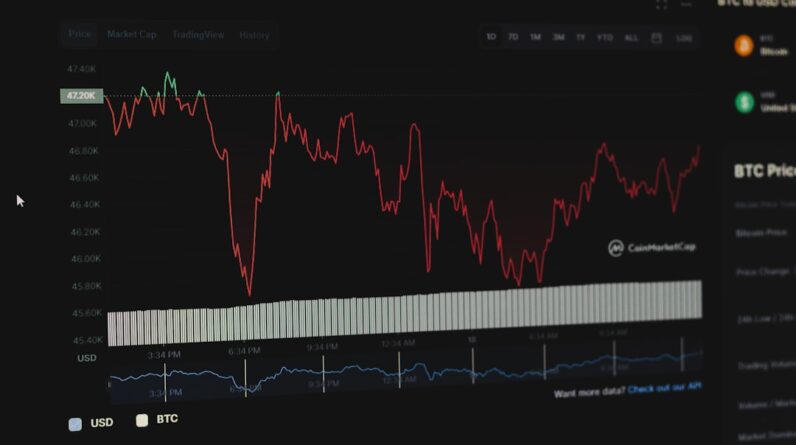
As you embark on your journey into the world of cryptocurrencies, it’s essential to grasp the fundamental concepts that underpin this dynamic market. The cryptocurrency market is a decentralized digital ecosystem where various currencies, known as cryptocurrencies, are traded. Unlike traditional currencies issued by governments, cryptocurrencies operate on blockchain technology, which ensures transparency and security through a distributed ledger system.
This decentralized nature allows for peer-to-peer transactions without the need for intermediaries, such as banks, making it a revolutionary shift in how we perceive and conduct financial transactions. To navigate this complex landscape effectively, you must familiarize yourself with key terms and concepts. Market capitalization, for instance, is a crucial metric that indicates the total value of a cryptocurrency by multiplying its current price by the total supply of coins in circulation.
Understanding market trends, such as bullish and bearish cycles, will also help you make informed decisions. Bullish markets are characterized by rising prices and investor optimism, while bearish markets reflect declining prices and pessimism. By keeping an eye on these trends and understanding the factors that influence them—such as regulatory news, technological advancements, and market sentiment—you can better position yourself within the crypto space.
Key Takeaways
- The crypto market is highly volatile and influenced by various factors such as market demand, regulations, and technological advancements.
- Investing in cryptocurrencies requires thorough research, risk assessment, and understanding of the market trends to make informed decisions.
- Trading cryptocurrencies involves buying and selling digital assets on exchanges, and it requires a deep understanding of market analysis and trading strategies.
- Mining cryptocurrencies involves validating transactions and adding them to the blockchain, and it requires significant computational power and energy consumption.
- Staking and yield farming are methods of earning passive income by holding and investing in cryptocurrencies, but they also come with their own risks and complexities.
Investing in Cryptocurrencies
Investing in cryptocurrencies can be an exhilarating yet daunting endeavor. As you consider entering this market, it’s vital to develop a clear investment strategy that aligns with your financial goals and risk tolerance. One of the first steps is to conduct thorough research on various cryptocurrencies.
Bitcoin, Ethereum, and other altcoins each have unique features and use cases that can significantly impact their long-term viability. By understanding the fundamentals of these digital assets, you can make more informed decisions about where to allocate your funds. Diversification is another critical aspect of investing in cryptocurrencies.
Just as you wouldn’t put all your eggs in one basket in traditional investing, spreading your investments across multiple cryptocurrencies can help mitigate risk. This approach allows you to capitalize on the potential growth of various projects while protecting yourself from the volatility of any single asset. Additionally, consider setting aside a portion of your investment for long-term holding, or “HODLing,” which can be beneficial in a market known for its price fluctuations.
By adopting a patient mindset and focusing on the long-term potential of your investments, you can navigate the ups and downs of the crypto market with greater confidence.
Trading Cryptocurrencies

If you’re looking for a more active approach to engaging with cryptocurrencies, trading may be the right path for you. Unlike investing, which often involves holding assets for an extended period, trading focuses on taking advantage of short-term price movements. To succeed in this fast-paced environment, you’ll need to develop a solid understanding of technical analysis and chart patterns.
Familiarizing yourself with indicators such as moving averages, Relative Strength Index (RSI), and Fibonacci retracements can provide valuable insights into market trends and potential entry or exit points. Moreover, it’s essential to establish a trading plan that outlines your goals, risk management strategies, and specific criteria for entering and exiting trades. This plan will serve as your roadmap in the often chaotic world of crypto trading.
Emotions can run high during trading sessions, leading to impulsive decisions that may not align with your strategy. By adhering to your plan and maintaining discipline, you can improve your chances of success while minimizing losses. Additionally, consider utilizing stop-loss orders to protect your investments from significant downturns, allowing you to trade with greater peace of mind.
Mining Cryptocurrencies
Mining is another fascinating aspect of the cryptocurrency ecosystem that allows individuals to contribute to network security while earning rewards in the form of new coins. As a miner, you’ll be validating transactions on the blockchain by solving complex mathematical problems using specialized hardware. This process not only secures the network but also introduces new coins into circulation.
However, before diving into mining, it’s crucial to understand the technical requirements and costs involved. The profitability of mining can vary significantly based on several factors, including electricity costs, hardware efficiency, and the current price of the cryptocurrency being mined. You’ll need to invest in powerful mining rigs and ensure that you have access to affordable electricity to maximize your returns.
Additionally, consider joining mining pools—groups of miners who combine their computational power to increase their chances of earning rewards. By participating in a pool, you can receive smaller but more consistent payouts compared to solo mining.
Staking and Yield Farming
Staking and yield farming have emerged as popular alternatives to traditional investing methods within the cryptocurrency space. Staking involves locking up a certain amount of cryptocurrency in a wallet to support network operations such as transaction validation and security. In return for your commitment, you earn rewards in the form of additional coins or tokens.
This process not only helps secure the network but also allows you to earn passive income on your holdings. Yield farming takes this concept a step further by allowing you to lend or provide liquidity to decentralized finance (DeFi) platforms in exchange for interest or rewards. By participating in yield farming, you can maximize your returns on idle assets while contributing to the overall liquidity of the DeFi ecosystem.
However, it’s essential to conduct thorough research before engaging in these activities, as they come with their own set of risks, including smart contract vulnerabilities and market volatility. By understanding these risks and implementing sound strategies, you can take advantage of staking and yield farming opportunities while safeguarding your investments.
Creating and Selling NFTs

The rise of non-fungible tokens (NFTs) has revolutionized the way digital art and collectibles are created, bought, and sold. If you have a creative flair or unique digital assets to share with the world, consider venturing into the NFT space. Creating an NFT involves minting your digital artwork or collectible on a blockchain platform that supports NFTs, such as Ethereum or Binance Smart Chain.
This process ensures that your creation is unique and verifiable, allowing collectors to own a piece of digital history. Once your NFT is minted, you can list it for sale on various marketplaces like OpenSea or Rarible. Marketing your NFT effectively is crucial for attracting potential buyers; consider leveraging social media platforms and online communities to showcase your work and engage with potential collectors.
Additionally, collaborating with other artists or influencers can help expand your reach within the NFT community. As you navigate this exciting new frontier, remember that authenticity and creativity are key drivers of success in the NFT market.
Providing Liquidity in DeFi
Decentralized finance (DeFi) has gained immense popularity as an alternative financial system built on blockchain technology. One way to participate in this burgeoning ecosystem is by providing liquidity to decentralized exchanges (DEXs) or lending platforms. When you provide liquidity, you contribute your assets to a liquidity pool that facilitates trading or lending activities within the DeFi platform.
In return for your contribution, you earn fees or interest based on the volume of transactions occurring within the pool. However, providing liquidity comes with its own set of risks, including impermanent loss—a phenomenon where the value of your assets may decrease compared to simply holding them due to price fluctuations within the pool. To mitigate these risks, it’s essential to conduct thorough research on the specific DeFi platform you choose to engage with and understand its mechanics fully.
By staying informed about market trends and developments within the DeFi space, you can make strategic decisions that enhance your liquidity provision experience while maximizing potential returns.
Building and Selling Crypto-related Products and Services
As the cryptocurrency market continues to evolve, there are numerous opportunities for entrepreneurs to create and sell crypto-related products and services. Whether it’s developing a user-friendly wallet application, offering educational resources for newcomers, or creating tools for traders and investors, there’s a growing demand for innovative solutions within this space. Identifying gaps in the market or addressing common pain points can help you carve out a niche for your business.
To succeed in this competitive landscape, focus on building a strong brand presence and establishing credibility within the crypto community. Engaging with potential customers through social media platforms and forums can help you gain valuable insights into their needs and preferences. Additionally, consider collaborating with other projects or influencers in the space to expand your reach and enhance your offerings.
By staying adaptable and responsive to market changes, you can position yourself for success while contributing positively to the ever-evolving world of cryptocurrencies. In conclusion, whether you’re interested in investing, trading, mining, or creating products within the crypto space, understanding these various aspects will empower you to make informed decisions as you navigate this exciting landscape. The world of cryptocurrencies offers endless possibilities for those willing to learn and adapt—so take your time exploring each avenue and find what resonates most with you!
FAQs
What is cryptocurrency?
Cryptocurrency is a digital or virtual form of currency that uses cryptography for security and operates independently of a central bank.
How can I make money with cryptocurrency?
There are several ways to make money with cryptocurrency, including investing, trading, mining, staking, and earning interest through decentralized finance (DeFi) platforms.
What is cryptocurrency trading?
Cryptocurrency trading involves buying and selling digital assets on various exchanges to profit from price fluctuations.
What is cryptocurrency mining?
Cryptocurrency mining is the process of validating transactions and adding them to the blockchain using powerful computers. Miners are rewarded with newly minted coins for their efforts.
What is staking in cryptocurrency?
Staking involves holding a cryptocurrency in a digital wallet to support the operations of a blockchain network and earning rewards in return.
What is decentralized finance (DeFi)?
Decentralized finance (DeFi) refers to the use of blockchain technology and cryptocurrencies to recreate traditional financial systems such as lending, borrowing, and trading in a decentralized manner.
What are some strategic ways to make money with cryptocurrency?
Some strategic ways to make money with cryptocurrency include dollar-cost averaging, diversifying your portfolio, staying informed about market trends, and utilizing risk management strategies.
Is investing in cryptocurrency risky?
Investing in cryptocurrency carries inherent risks due to price volatility, regulatory uncertainty, and security concerns. It is important to conduct thorough research and only invest what you can afford to lose.