In recent years, cryptocurrency has emerged as a revolutionary force in the financial landscape, capturing the attention of investors, technologists, and everyday individuals alike. You may have heard terms like Bitcoin, Ethereum, and blockchain thrown around in conversations, but what does it all mean? At its core, cryptocurrency is a form of digital or virtual currency that uses cryptography for security.
Unlike traditional currencies issued by governments, cryptocurrencies operate on decentralized networks based on blockchain technology. This decentralization means that no single entity, such as a bank or government, has control over the currency, which can lead to greater transparency and security. As you delve deeper into the world of cryptocurrency, you will discover that it offers a myriad of opportunities and challenges.
The allure of potentially high returns on investment has drawn many to explore this digital frontier. However, the volatility and complexity of the market can be daunting. Understanding the fundamentals of cryptocurrency is essential for anyone looking to navigate this exciting yet unpredictable terrain.
In this article, you will gain insights into how cryptocurrency works, how to get started, and the best practices for managing your digital assets.
Key Takeaways
- Cryptocurrency is a digital or virtual form of currency that uses cryptography for security and operates independently of a central bank.
- Cryptocurrency works through a technology called blockchain, which is a decentralized and distributed ledger that records all transactions across a network of computers.
- To get started with cryptocurrency, you need to choose a reputable exchange, set up a digital wallet, and complete the verification process.
- When choosing a cryptocurrency wallet, consider factors such as security features, user interface, and compatibility with the cryptocurrencies you want to store.
- Buying and selling cryptocurrency involves using a cryptocurrency exchange or peer-to-peer platforms, and it’s important to be aware of the associated fees and risks.
How Cryptocurrency Works
To grasp how cryptocurrency functions, you need to familiarize yourself with the underlying technology: blockchain. A blockchain is a distributed ledger that records all transactions across a network of computers. Each transaction is grouped into a block, which is then added to a chain of previous blocks, creating a secure and immutable record.
This decentralized nature ensures that no single party can alter the transaction history without consensus from the network participants. As you explore this technology further, you will appreciate how it enhances security and trust in digital transactions. Cryptocurrencies utilize cryptographic techniques to secure transactions and control the creation of new units.
For instance, Bitcoin employs a process called mining, where powerful computers solve complex mathematical problems to validate transactions and add them to the blockchain. In return for their efforts, miners are rewarded with newly created bitcoins. This process not only secures the network but also regulates the supply of the currency.
As you learn more about different cryptocurrencies, you will find that each has its unique mechanisms for transaction validation and security, contributing to the diversity of options available in the market.
Getting Started with Cryptocurrency

Embarking on your cryptocurrency journey can be both exciting and overwhelming. The first step is to educate yourself about the various types of cryptocurrencies available. While Bitcoin is the most well-known, there are thousands of alternatives, each with its unique features and use cases.
You might want to explore Ethereum for its smart contract capabilities or Ripple for its focus on facilitating cross-border payments. Understanding these differences will help you make informed decisions about which cryptocurrencies align with your interests and investment goals. Once you have a grasp of the landscape, it’s time to set up your cryptocurrency account.
This typically involves choosing a reputable exchange where you can buy and sell cryptocurrencies. When selecting an exchange, consider factors such as security measures, fees, user interface, and available cryptocurrencies. After creating an account and completing any necessary verification processes, you will be ready to fund your account and start trading.
Remember that investing in cryptocurrency carries risks, so it’s wise to start small and gradually increase your exposure as you become more comfortable with the market dynamics.
Choosing a Cryptocurrency Wallet
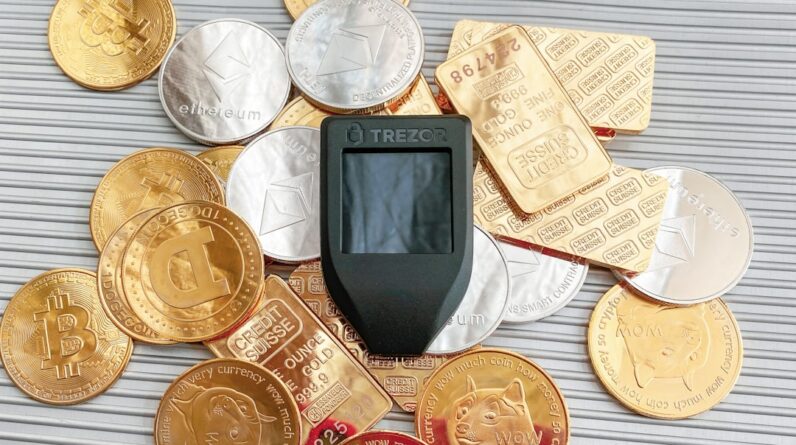
A crucial aspect of managing your cryptocurrency investments is selecting the right wallet to store your digital assets securely. Cryptocurrency wallets come in various forms, including hardware wallets, software wallets, and online wallets. Hardware wallets are physical devices that store your private keys offline, providing an extra layer of security against hacking attempts.
If you prioritize security above all else, investing in a hardware wallet may be your best option. On the other hand, software wallets are applications that can be installed on your computer or mobile device. They offer convenience for frequent transactions but may be more vulnerable to cyber threats.
Online wallets are web-based services that allow you to access your cryptocurrencies from anywhere with an internet connection; however, they often come with higher risks due to their reliance on third-party security measures. As you evaluate your options, consider how often you plan to access your cryptocurrencies and how much security you require based on your investment strategy.
Buying and Selling Cryptocurrency
Once you have set up your wallet and chosen an exchange, you are ready to buy and sell cryptocurrencies. The process typically involves placing an order on the exchange for the amount of cryptocurrency you wish to purchase or sell. You can choose between different types of orders: market orders execute immediately at the current market price, while limit orders allow you to set a specific price at which you want to buy or sell.
Understanding these order types will help you navigate trading more effectively. As you engage in buying and selling activities, keep an eye on market trends and news that may impact cryptocurrency prices. The market can be highly volatile; prices can fluctuate dramatically within short periods.
Staying informed about developments in the crypto space will enable you to make timely decisions regarding your investments. Additionally, consider setting up alerts or using trading tools that can help you monitor price movements without constantly checking the market.
Storing and Securing Your Cryptocurrency

After purchasing cryptocurrency, securing your assets should be a top priority. The decentralized nature of cryptocurrencies means that if you lose access to your wallet or fall victim to a scam, there is often no recourse for recovering your funds. To mitigate these risks, consider implementing best practices for storage and security.
For instance, regularly back up your wallet data and store it in multiple secure locations. This precaution ensures that even if one copy is lost or damaged, you still have access to your funds. Additionally, enable two-factor authentication (2FA) on your accounts whenever possible.
This extra layer of security requires not only your password but also a second form of verification—such as a code sent to your mobile device—before granting access to your account. Be cautious about sharing personal information online and avoid clicking on suspicious links or downloading unverified software that could compromise your security. By taking these steps, you can significantly reduce the risk of losing your cryptocurrency investments.
Understanding Cryptocurrency Taxes
As you engage in buying and selling cryptocurrencies, it’s essential to understand the tax implications associated with these transactions. In many jurisdictions, cryptocurrencies are treated as property rather than currency for tax purposes. This means that any gains or losses from trading cryptocurrencies may be subject to capital gains tax.
You should keep detailed records of all transactions—dates, amounts, prices at purchase and sale—to accurately report your earnings when tax season arrives. Consulting with a tax professional who understands cryptocurrency regulations in your area can provide valuable guidance on how to navigate this complex landscape. They can help you determine what qualifies as taxable events and advise on strategies for minimizing your tax liability.
Being proactive about understanding your tax obligations will not only keep you compliant but also help you make informed decisions about your investments moving forward.
Conclusion and Further Resources
In conclusion, diving into the world of cryptocurrency can be both rewarding and challenging. By understanding how cryptocurrency works, getting started with exchanges and wallets, and implementing best practices for security and tax compliance, you can position yourself for success in this dynamic market. As you continue your journey, remember that education is key; staying informed about market trends and technological advancements will empower you to make sound investment decisions.
For further resources, consider exploring reputable websites dedicated to cryptocurrency education such as CoinDesk or Investopedia’s cryptocurrency section. Online forums like Reddit’s r/CryptoCurrency can also provide community insights and discussions that may enhance your understanding of various topics within the crypto space. As you navigate this exciting frontier, remain curious and open-minded—there’s always more to learn in the ever-evolving world of cryptocurrency!