To embark on your journey into the world of cryptocurrency, it is essential to grasp the fundamental concepts that underpin this digital financial landscape. At its core, cryptocurrency is a form of digital or virtual currency that employs cryptography for security. Unlike traditional currencies issued by governments, cryptocurrencies operate on decentralized networks based on blockchain technology.
This means that transactions are recorded on a public ledger, ensuring transparency and security while eliminating the need for intermediaries like banks. As you delve deeper into the realm of cryptocurrency, you will encounter various types, each with unique features and purposes. Bitcoin, the first and most well-known cryptocurrency, was created in 2009 as a response to the global financial crisis.
Since then, thousands of alternative cryptocurrencies, or altcoins, have emerged, each offering different functionalities and use cases. Understanding these basics will not only help you navigate the market but also empower you to make informed decisions as you explore investment opportunities.
Key Takeaways
- Cryptocurrency is a digital or virtual form of currency that uses cryptography for security and operates independently of a central bank.
- Research and choose the right cryptocurrency by considering factors such as technology, team, community, and market demand.
- Utilize secure wallets and exchanges to store and trade your cryptocurrency, and prioritize security measures such as two-factor authentication.
- Diversify your cryptocurrency portfolio to spread risk and potentially increase returns by investing in different types of cryptocurrencies.
- Set realistic investment goals by considering your risk tolerance, investment timeline, and financial objectives.
Researching and Choosing the Right Cryptocurrency
Once you have a foundational understanding of cryptocurrency, the next step is to research and select the right digital assets for your investment portfolio. With thousands of cryptocurrencies available, it can be overwhelming to determine which ones are worth your time and money. Start by examining the market capitalization of various cryptocurrencies, as this metric can provide insight into their popularity and stability.
Generally, larger market caps indicate more established coins, while smaller caps may present higher risks but also greater potential rewards. In addition to market capitalization, consider the technology behind each cryptocurrency. Investigate the whitepapers of projects that interest you; these documents outline the purpose, technology, and vision of the cryptocurrency.
Look for projects with strong development teams, active communities, and real-world applications. By conducting thorough research, you can identify cryptocurrencies that align with your investment strategy and risk tolerance.
Utilizing Secure Wallets and Exchanges

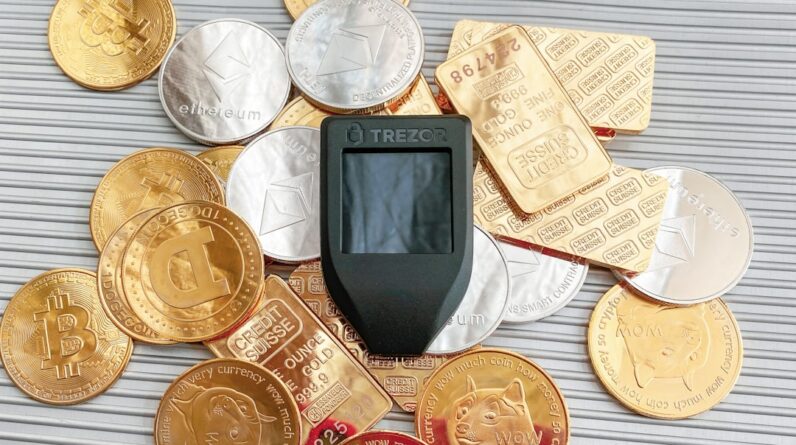
As you begin to invest in cryptocurrencies, securing your assets should be a top priority. Cryptocurrency wallets come in various forms, including hardware wallets, software wallets, and online wallets. Hardware wallets are physical devices that store your private keys offline, providing an extra layer of security against hacking attempts.
Software wallets are applications that can be installed on your computer or mobile device, while online wallets are web-based services that allow you to access your cryptocurrencies from anywhere. When choosing an exchange to buy or sell cryptocurrencies, prioritize security features such as two-factor authentication (2FA) and cold storage options for funds. Reputable exchanges often have robust security measures in place to protect users from potential threats.
Additionally, familiarize yourself with the exchange’s fee structure and trading options to ensure it meets your needs. By utilizing secure wallets and exchanges, you can safeguard your investments and minimize the risk of loss.
Diversifying Your Cryptocurrency Portfolio
Diversification is a key principle in investing that applies equally to cryptocurrency. By spreading your investments across multiple cryptocurrencies rather than concentrating them in one or two assets, you can mitigate risk and increase your chances of capitalizing on market fluctuations. Consider allocating a portion of your portfolio to established coins like Bitcoin and Ethereum while also exploring promising altcoins with growth potential.
When diversifying your portfolio, it’s essential to strike a balance between risk and reward. While investing in high-potential altcoins may yield significant returns, they often come with increased volatility. Conversely, established cryptocurrencies tend to be more stable but may offer lower growth potential.
By carefully selecting a mix of assets that align with your risk tolerance and investment goals, you can create a well-rounded portfolio that positions you for success in the ever-evolving cryptocurrency market.
Setting Realistic Investment Goals
As you navigate the world of cryptocurrency investing, setting realistic goals is crucial for maintaining focus and managing expectations. Begin by defining your investment objectives—are you looking for short-term gains or long-term growth? Understanding your time horizon will help you determine which strategies to employ and how much risk you are willing to take on.
It’s also important to establish specific milestones along the way. For instance, you might set a goal to achieve a certain percentage return within a specific timeframe or to accumulate a particular amount of cryptocurrency. By breaking down your larger objectives into smaller, achievable targets, you can track your progress and make adjustments as needed.
Remember that the cryptocurrency market is highly volatile; therefore, patience and discipline are essential as you work toward your investment goals.
Staying Informed and Updated on Market Trends

In the fast-paced world of cryptocurrency, staying informed about market trends is vital for making sound investment decisions. The landscape is constantly evolving, with new technologies, regulations, and market dynamics emerging regularly. To keep yourself updated, consider following reputable news sources, joining online forums, and engaging with social media communities focused on cryptocurrency.
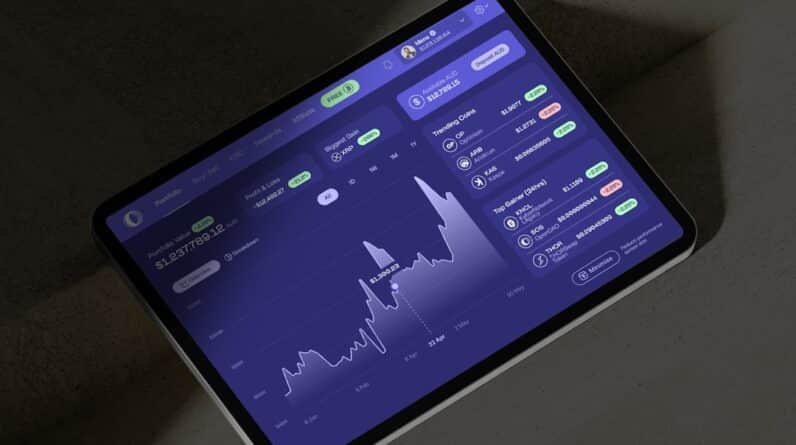
Additionally, utilize tools such as price tracking apps and market analysis platforms to monitor price movements and trading volumes. By staying informed about market trends and developments, you can better anticipate potential shifts in sentiment and make timely decisions regarding your investments. Remember that knowledge is power; the more informed you are about the market, the better equipped you’ll be to navigate its complexities.
Practicing Risk Management and Avoiding FOMO
Risk management is an essential aspect of successful investing in cryptocurrency. Given the inherent volatility of this market, it’s crucial to develop strategies that protect your investments from significant losses. One effective approach is to set stop-loss orders—automated instructions that sell your assets when they reach a predetermined price point.
This can help limit potential losses during sudden market downturns. Moreover, it’s important to avoid falling victim to FOMO (fear of missing out). The cryptocurrency market is rife with hype and speculation, which can lead investors to make impulsive decisions based on emotions rather than sound analysis.
To combat this tendency, establish a clear investment strategy based on research and stick to it. By maintaining discipline and focusing on your long-term goals, you can navigate the market with confidence while minimizing emotional decision-making.
Seeking Professional Financial Advice if Necessary
While self-education is invaluable in the world of cryptocurrency investing, there may come a time when seeking professional financial advice becomes necessary. If you’re feeling overwhelmed by the complexities of the market or unsure about your investment strategy, consulting with a financial advisor who specializes in cryptocurrencies can provide clarity and guidance. A knowledgeable advisor can help you assess your financial situation, define your investment goals, and develop a tailored strategy that aligns with your risk tolerance.
They can also provide insights into tax implications and regulatory considerations related to cryptocurrency investments. Remember that investing in cryptocurrencies carries inherent risks; therefore, having a professional’s perspective can help you navigate these challenges more effectively. In conclusion, entering the world of cryptocurrency requires a solid understanding of its fundamentals, diligent research in selecting assets, secure management of wallets and exchanges, diversification of your portfolio, realistic goal-setting, staying informed about market trends, practicing risk management, and seeking professional advice when needed.
By following these guidelines, you can position yourself for success in this dynamic and exciting financial landscape while minimizing risks along the way.
FAQs
What is cryptocurrency?
Cryptocurrency is a digital or virtual form of currency that uses cryptography for security and operates independently of a central bank.
Is investing in cryptocurrency safe?
Investing in cryptocurrency carries inherent risks due to its volatile nature and the potential for hacking and fraud. It is important to thoroughly research and understand the market before investing.
What are safe ways to invest in cryptocurrency?
Safe ways to invest in cryptocurrency include using reputable and secure cryptocurrency exchanges, diversifying your investment portfolio, and storing your cryptocurrency in a secure wallet.
What are some reputable cryptocurrency exchanges?
Some reputable cryptocurrency exchanges include Coinbase, Binance, Kraken, and Gemini. It is important to research and choose an exchange with a strong track record of security and reliability.
What is a cryptocurrency wallet?
A cryptocurrency wallet is a digital tool used to store, send, and receive cryptocurrency. There are different types of wallets, including hardware wallets, software wallets, and paper wallets.
How can I protect my cryptocurrency investment?
You can protect your cryptocurrency investment by using strong security measures such as two-factor authentication, keeping your private keys secure, and staying informed about potential security threats and scams.
What should I consider before investing in cryptocurrency?
Before investing in cryptocurrency, it is important to consider factors such as your risk tolerance, investment goals, the potential for market volatility, and the regulatory environment in your country. It is also advisable to seek advice from a financial advisor.