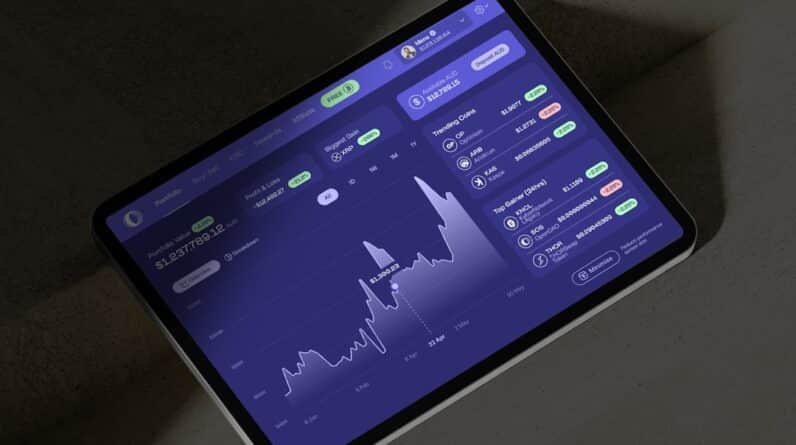
As you embark on your journey into the world of cryptocurrency, it’s essential to grasp the fundamental dynamics of the crypto market. This market is characterized by its volatility, rapid price fluctuations, and a plethora of digital assets that can make it both exciting and daunting. Unlike traditional financial markets, the crypto market operates 24/7, allowing you to trade at any time.
This constant activity can lead to significant opportunities, but it also means that you must stay vigilant and informed. Understanding the underlying technology, such as blockchain, and the various types of cryptocurrencies available will provide you with a solid foundation for making informed decisions. Moreover, the crypto market is influenced by a variety of factors, including regulatory developments, technological advancements, and market sentiment.
You should familiarize yourself with key terms and concepts, such as market capitalization, liquidity, and trading volume. By doing so, you will be better equipped to navigate the complexities of this digital landscape. Additionally, keeping an eye on major players in the market, such as Bitcoin and Ethereum, can help you understand broader trends and movements that may impact your investments.
As you delve deeper into this realm, remember that knowledge is your most valuable asset.
Key Takeaways
- The crypto market is highly volatile and requires a deep understanding of market dynamics and trends.
- Diversifying your crypto portfolio can help spread risk and maximize potential returns.
- Long-term investment strategies involve holding onto assets for an extended period, while short-term strategies focus on quick gains.
- Risk management is crucial in crypto investments to protect against potential losses.
- Utilizing technical analysis can help identify profitable trading opportunities in the crypto market.
Diversifying Your Crypto Portfolio
Once you have a grasp of the crypto market, the next step is to consider how to diversify your portfolio effectively. Diversification is a strategy that involves spreading your investments across various assets to mitigate risk. In the context of cryptocurrency, this means not putting all your funds into a single coin or token.
Instead, you should explore a range of cryptocurrencies with different use cases and market positions. For instance, while Bitcoin may be considered a digital gold, Ethereum offers smart contract capabilities that can open doors to decentralized applications. When diversifying your portfolio, it’s crucial to strike a balance between established cryptocurrencies and emerging projects.
Established coins like Bitcoin and Ethereum tend to be more stable but may offer lower growth potential compared to newer altcoins. On the other hand, investing in lesser-known cryptocurrencies can yield significant returns if they gain traction but also comes with higher risks. By carefully selecting a mix of assets that align with your risk tolerance and investment goals, you can create a more resilient portfolio that can weather market fluctuations.
As you navigate the crypto landscape, you will encounter two primary investment strategies: long-term and short-term. Each approach has its own merits and drawbacks, and your choice will depend on your financial goals and risk appetite. Long-term investing typically involves holding onto your assets for an extended period, often years, with the belief that their value will appreciate over time.
This strategy requires patience and a strong conviction in the underlying technology or project behind the cryptocurrency. Conversely, short-term trading focuses on taking advantage of price movements within shorter time frames, ranging from minutes to weeks. This approach demands a keen understanding of market trends and technical analysis to capitalize on price fluctuations effectively.
While short-term trading can lead to quick profits, it also carries higher risks due to the inherent volatility of cryptocurrencies. As you consider which strategy suits you best, reflect on your investment horizon and how much time you are willing to dedicate to monitoring the market.
Risk Management in Crypto Investments

Risk management is a critical aspect of successful investing in cryptocurrencies. Given the market’s volatility, it’s essential to implement strategies that protect your capital while allowing for potential growth. One fundamental principle of risk management is never to invest more than you can afford to lose.
This mindset will help you maintain a level-headed approach during market downturns and prevent emotional decision-making. Another effective risk management technique is setting stop-loss orders. A stop-loss order automatically sells your asset when it reaches a predetermined price, limiting your losses in case of a sudden downturn.
Additionally, consider allocating only a portion of your overall investment capital to cryptocurrencies while keeping the rest in more stable assets. This diversification across asset classes can help cushion against significant losses in your crypto investments. By prioritizing risk management, you can navigate the unpredictable nature of the crypto market with greater confidence.
Utilizing Technical Analysis for Profitable Trading
To enhance your trading skills in the crypto market, mastering technical analysis is invaluable. Technical analysis involves studying historical price data and trading volumes to identify patterns and trends that can inform your trading decisions. By utilizing various tools and indicators—such as moving averages, Relative Strength Index (RSI), and Fibonacci retracement levels—you can gain insights into potential price movements.
As you delve into technical analysis, it’s essential to develop a systematic approach to interpreting charts and signals. This may involve identifying support and resistance levels or recognizing chart patterns like head and shoulders or triangles. By honing your analytical skills, you can make more informed decisions about when to enter or exit trades.
However, remember that technical analysis is not foolproof; it should be used in conjunction with other strategies and market research for optimal results.
Identifying Promising Cryptocurrencies
In a rapidly evolving crypto landscape, identifying promising cryptocurrencies is crucial for maximizing your investment potential. Start by researching projects that have strong fundamentals—this includes evaluating their technology, use case, team background, and community support. A cryptocurrency with a solid foundation is more likely to withstand market fluctuations and achieve long-term success.
Additionally, pay attention to market trends and emerging sectors within the crypto space. For instance, decentralized finance (DeFi) has gained significant traction in recent years, leading to the rise of various tokens associated with this sector. Similarly, non-fungible tokens (NFTs) have created new opportunities for artists and creators alike.
By staying informed about these trends and conducting thorough research on potential investments, you can position yourself to capitalize on promising opportunities in the ever-changing crypto market.
Staying Informed about Market Trends and News

In the fast-paced world of cryptocurrency, staying informed about market trends and news is essential for making sound investment decisions. The crypto landscape is influenced by various factors—regulatory changes, technological advancements, partnerships, and macroeconomic events—that can impact prices significantly. To keep up with these developments, consider following reputable news sources, joining online communities, and engaging with social media platforms dedicated to cryptocurrency discussions.
Moreover, participating in forums or attending conferences can provide valuable insights from industry experts and fellow investors. Networking within the crypto community can also help you discover new projects or investment opportunities that may not be widely known yet. By actively seeking out information and engaging with others in the space, you can enhance your understanding of market dynamics and make more informed decisions regarding your investments.
Leveraging Staking and Yield Farming for Passive Income
As you explore ways to grow your crypto portfolio further, consider leveraging staking and yield farming as methods for generating passive income. Staking involves participating in a proof-of-stake network by locking up your coins to support network operations in exchange for rewards. This process not only helps secure the network but also allows you to earn additional tokens over time without actively trading.
Yield farming takes this concept a step further by enabling you to lend or provide liquidity to decentralized finance platforms in exchange for interest or rewards. While both staking and yield farming can offer attractive returns, they come with their own set of risks—such as smart contract vulnerabilities or changes in token value. Therefore, it’s essential to conduct thorough research before committing your assets to these strategies.
By incorporating staking or yield farming into your investment approach, you can create additional income streams while holding onto your cryptocurrency assets. In conclusion, navigating the world of cryptocurrency requires a blend of knowledge, strategy, and adaptability. By understanding the market dynamics, diversifying your portfolio, implementing effective risk management techniques, utilizing technical analysis, identifying promising projects, staying informed about trends, and exploring passive income opportunities like staking and yield farming, you can position yourself for success in this exciting yet volatile landscape.
As you continue on this journey, remember that continuous learning and adaptation are key components of becoming a successful crypto investor.
FAQs
What are some profitable crypto investment strategies?
Some profitable crypto investment strategies include long-term holding, dollar-cost averaging, and diversifying your portfolio with different cryptocurrencies.
What is long-term holding in crypto investment?
Long-term holding in crypto investment refers to buying and holding onto a cryptocurrency for an extended period, typically years, with the expectation that its value will increase over time.
What is dollar-cost averaging in crypto investment?
Dollar-cost averaging in crypto investment involves investing a fixed amount of money at regular intervals, regardless of the cryptocurrency’s price. This strategy helps to reduce the impact of market volatility on your investment.
Why is diversifying your crypto portfolio important?
Diversifying your crypto portfolio is important because it helps spread risk across different assets, reducing the impact of a decline in any single cryptocurrency on your overall investment.
What are some risks associated with crypto investment?
Some risks associated with crypto investment include market volatility, regulatory uncertainty, security breaches, and the potential for fraud and scams in the crypto space.
How can I mitigate risks in crypto investment?
You can mitigate risks in crypto investment by conducting thorough research before investing, using secure and reputable cryptocurrency exchanges, and considering the long-term potential of the cryptocurrencies you invest in. Additionally, staying informed about market trends and regulatory developments can help mitigate risks.