As you embark on the journey of cryptocurrency investing, you may find yourself both excited and overwhelmed by the vast landscape of digital currencies. Cryptocurrency has emerged as a revolutionary financial instrument, offering opportunities for significant returns and diversification in your investment portfolio. However, the world of digital assets is not without its complexities and challenges.
Understanding the fundamentals of cryptocurrency investing is essential for navigating this dynamic market successfully. In recent years, cryptocurrencies like Bitcoin and Ethereum have gained immense popularity, attracting both seasoned investors and newcomers alike. The allure of high returns, coupled with the potential for financial independence, has led many to explore this innovative asset class.
As you delve deeper into cryptocurrency investing, it’s crucial to equip yourself with knowledge about the market, the technology behind it, and the strategies that can help you make informed decisions.
Key Takeaways
- Cryptocurrency investing offers potential for high returns but also comes with high volatility and risk.
- Understanding the basics of cryptocurrency, such as blockchain technology and different types of coins, is crucial before investing.
- When choosing the right cryptocurrency to invest in, consider factors such as the project’s technology, team, and community support.
- Strategies for investing in cryptocurrency include dollar-cost averaging, diversification, and staying updated on market trends.
- Risks and challenges of cryptocurrency investing include regulatory uncertainty, security threats, and market manipulation.
Understanding the Basics of Cryptocurrency
To effectively invest in cryptocurrency, you must first grasp the foundational concepts that underpin this digital revolution. At its core, cryptocurrency is a form of digital or virtual currency that uses cryptography for security. Unlike traditional currencies issued by governments, cryptocurrencies operate on decentralized networks based on blockchain technology.
This decentralized nature means that transactions are recorded on a public ledger, ensuring transparency and security. You should familiarize yourself with key terms such as blockchain, mining, wallets, and exchanges. Blockchain is the technology that enables cryptocurrencies to function, allowing for secure and transparent transactions without the need for intermediaries.
Mining refers to the process of validating transactions and adding them to the blockchain, while wallets are digital tools that allow you to store and manage your cryptocurrencies. Exchanges are platforms where you can buy, sell, or trade cryptocurrencies for other digital assets or fiat currencies.
Choosing the Right Cryptocurrency to Invest In

With thousands of cryptocurrencies available in the market, selecting the right one to invest in can be a daunting task. You need to conduct thorough research to identify which cryptocurrencies align with your investment goals and risk tolerance. Start by examining the market capitalization of various cryptocurrencies, as this can provide insight into their popularity and stability.
Bitcoin, being the first and most well-known cryptocurrency, often serves as a benchmark for evaluating other digital assets. Consider the technology behind each cryptocurrency as well. Some projects focus on solving specific problems or improving existing systems, while others may lack a clear use case.
Look for cryptocurrencies with strong development teams, active communities, and real-world applications. Additionally, pay attention to market trends and news that may impact the value of specific cryptocurrencies. By staying informed and analyzing various factors, you can make more educated decisions about which cryptocurrencies to include in your investment portfolio.
Strategies for Investing in Cryptocurrency
When it comes to investing in cryptocurrency, having a well-defined strategy is crucial for maximizing your potential returns while minimizing risks. One popular approach is dollar-cost averaging (DCA), where you invest a fixed amount of money at regular intervals regardless of market conditions. This strategy helps mitigate the impact of volatility by spreading your investments over time, allowing you to buy more when prices are low and less when prices are high.
Another strategy is to adopt a long-term perspective by holding onto your investments for an extended period. This approach requires patience and discipline, as the cryptocurrency market can be highly volatile in the short term. By focusing on long-term trends and potential growth, you may be able to ride out market fluctuations and benefit from substantial gains over time.
Additionally, consider diversifying your portfolio by investing in a mix of established cryptocurrencies and promising altcoins to spread risk across different assets.
Risks and Challenges of Cryptocurrency Investing
While the potential rewards of cryptocurrency investing can be enticing, it’s essential to acknowledge the inherent risks and challenges associated with this asset class. The cryptocurrency market is known for its extreme volatility, with prices capable of experiencing significant fluctuations within short periods. As an investor, you must be prepared for the possibility of losing a portion or even all of your investment due to sudden market shifts.
Regulatory uncertainty is another challenge that can impact your investments. Governments around the world are still grappling with how to regulate cryptocurrencies, which can lead to sudden changes in laws or policies that affect market dynamics. Additionally, security concerns such as hacking incidents and scams pose risks to your investments.
It’s vital to stay vigilant and informed about potential threats while implementing best practices for securing your assets.
Security and Storage of Cryptocurrency Investments

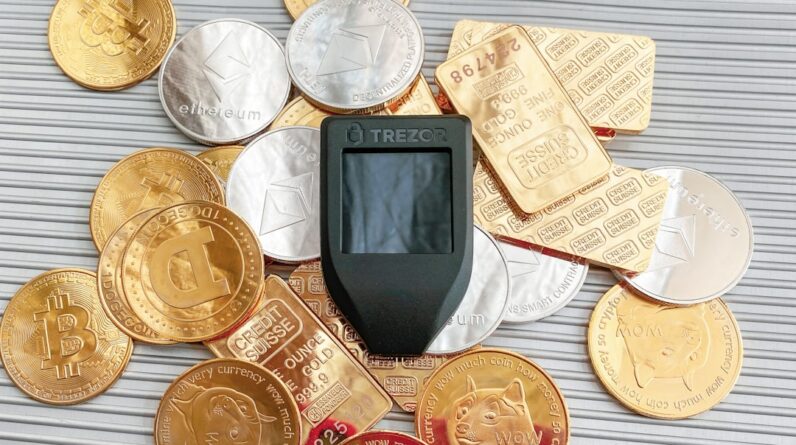
Securing your cryptocurrency investments is paramount in safeguarding your assets from theft or loss. You should consider using hardware wallets or cold storage solutions for long-term holdings, as these options provide enhanced security compared to online wallets or exchanges. Hardware wallets store your private keys offline, making them less susceptible to hacking attempts.
In addition to choosing the right storage method, it’s essential to implement strong security practices. Use two-factor authentication (2FA) on your accounts whenever possible and avoid sharing sensitive information with anyone. Regularly update your passwords and be cautious about phishing attempts that may target your accounts.
By prioritizing security measures, you can significantly reduce the risk of losing your investments due to cyber threats.
Tracking and Managing Cryptocurrency Investments
Once you’ve made your investments in cryptocurrency, effective tracking and management become crucial for optimizing your portfolio’s performance. Utilize portfolio management tools or apps that allow you to monitor your holdings in real-time, track price movements, and analyze performance metrics. These tools can help you make informed decisions about when to buy or sell based on market trends.
Regularly reviewing your investment strategy is also important as market conditions change. You may need to adjust your portfolio allocation based on performance or emerging opportunities within the cryptocurrency space. Staying engaged with news and developments in the industry will enable you to make timely adjustments that align with your investment goals.
Building a Successful Cryptocurrency Investment Portfolio
In conclusion, building a successful cryptocurrency investment portfolio requires a combination of knowledge, strategy, and vigilance. As you navigate this exciting yet volatile market, remember to educate yourself about the fundamentals of cryptocurrency and stay informed about emerging trends. By carefully selecting the right cryptocurrencies to invest in and implementing sound investment strategies, you can position yourself for potential success.
While risks are inherent in cryptocurrency investing, adopting best practices for security and management can help mitigate these challenges. As you continue on your investment journey, remain adaptable and open-minded, ready to learn from both successes and setbacks. With dedication and informed decision-making, you can work towards creating a robust cryptocurrency portfolio that aligns with your financial aspirations.