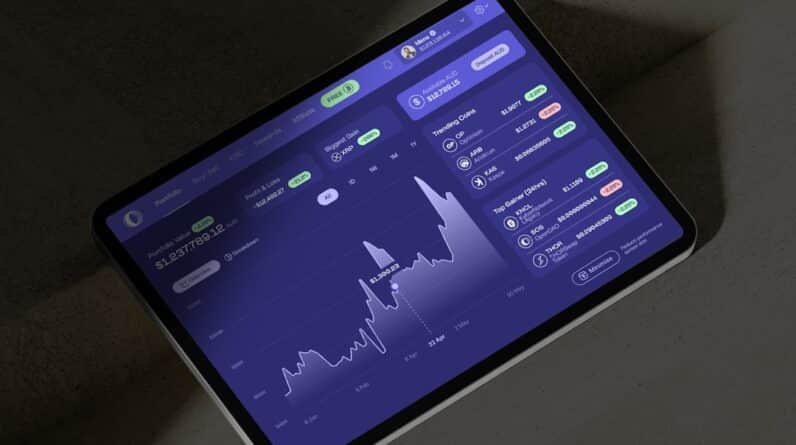
In recent years, cryptocurrency has emerged as a revolutionary force in the financial landscape, captivating the attention of investors, technologists, and everyday individuals alike. You may have heard of Bitcoin, Ethereum, and a myriad of altcoins that have surged in popularity, each offering unique features and potential for profit. As you delve into the world of cryptocurrency, you will discover that it is not merely a digital currency but a complex ecosystem that encompasses various technologies, investment strategies, and economic implications.
The allure of high returns has drawn many into this space, prompting you to consider how these digital assets can fit into your financial portfolio. As you explore cryptocurrency investments, it is essential to understand the underlying technology—blockchain. This decentralized ledger system enables secure and transparent transactions without the need for intermediaries like banks.
You may find that this innovation not only enhances the efficiency of financial transactions but also democratizes access to financial services. However, with the potential for significant gains comes inherent risks, including market volatility and regulatory uncertainties. As you navigate this landscape, it is crucial to equip yourself with knowledge and strategies to make informed decisions about your investments.
Key Takeaways
- Cryptocurrency investments and usage are becoming increasingly popular and are changing the way we think about money and transactions.
- Transparency and regulation in the cryptocurrency industry are important for protecting investors and ensuring the legitimacy of the market.
- The environmental impact of cryptocurrency mining is a growing concern due to the high energy consumption and carbon footprint of the process.
- Security and privacy concerns in cryptocurrency usage highlight the need for robust measures to protect personal and financial information.
- The social and economic implications of cryptocurrency investments are complex and can have both positive and negative effects on individuals and society as a whole.
Transparency and Regulation in Cryptocurrency
Transparency and Accountability
This level of transparency can deter fraudulent activities and promote accountability within the ecosystem. However, while the technology itself is transparent, the regulatory environment surrounding cryptocurrencies remains murky and varies significantly from one jurisdiction to another.
Regulatory Landscape
Governments around the world are grappling with how to classify and regulate these digital assets. Some countries have embraced cryptocurrencies, creating frameworks that encourage innovation while protecting consumers. Others have taken a more cautious approach, imposing strict regulations or outright bans.
Navigating Regulations
Understanding these regulations can help you navigate potential pitfalls and ensure compliance as you engage in cryptocurrency trading or investment. The balance between fostering innovation and ensuring consumer protection is a delicate one, and your awareness of these dynamics will be crucial as you make decisions in this space.
Environmental Impact of Cryptocurrency Mining

The environmental impact of cryptocurrency mining has become a hot topic in recent years, particularly as the popularity of Bitcoin and other proof-of-work cryptocurrencies has surged. As you may know, mining involves solving complex mathematical problems to validate transactions on the blockchain, a process that requires substantial computational power and energy consumption. This has raised concerns about the carbon footprint associated with mining operations, especially when powered by fossil fuels.
As an environmentally conscious investor or user, you might find yourself questioning the sustainability of these practices. In response to these concerns, some cryptocurrency projects are exploring alternative consensus mechanisms that require less energy. For instance, proof-of-stake systems allow users to validate transactions based on the number of coins they hold rather than relying on energy-intensive computations.
As you evaluate different cryptocurrencies for investment or usage, consider their environmental impact and the steps they are taking to mitigate it. By supporting projects that prioritize sustainability, you can align your investments with your values and contribute to a more eco-friendly future in the cryptocurrency space.
Security and Privacy Concerns in Cryptocurrency Usage
As you venture into cryptocurrency investments and transactions, security should be at the forefront of your mind. The decentralized nature of cryptocurrencies offers certain advantages, but it also presents unique challenges regarding security and privacy. You may have heard stories of exchanges being hacked or individuals losing their funds due to phishing attacks or poor security practices.
It is essential to take proactive measures to protect your assets by using secure wallets, enabling two-factor authentication, and being vigilant about potential scams. Privacy is another critical aspect of cryptocurrency usage that warrants your attention. While blockchain transactions are transparent, they are also pseudonymous; your wallet address does not directly reveal your identity.
However, this does not mean that your transactions are entirely private. Sophisticated analysis techniques can potentially link wallet addresses to real-world identities, raising concerns about surveillance and data privacy. As you engage with cryptocurrencies, consider how much privacy you require and explore options that prioritize anonymity if that aligns with your needs.
Social and Economic Implications of Cryptocurrency Investments
The rise of cryptocurrency has far-reaching social and economic implications that extend beyond individual investments. As you observe the growing adoption of digital currencies, you may notice how they are reshaping traditional financial systems and empowering individuals in underserved communities. Cryptocurrencies can provide access to financial services for those who lack bank accounts or live in regions with limited banking infrastructure.
This democratization of finance can foster economic inclusion and create opportunities for entrepreneurship. However, the rapid growth of cryptocurrency markets also raises questions about wealth inequality and market manipulation. As an investor, you might be aware that while some individuals have reaped significant rewards from their investments, others have faced devastating losses due to market volatility or lack of knowledge.
The speculative nature of cryptocurrency trading can exacerbate existing inequalities, as those with more resources may have better access to information and tools for successful trading. As you navigate this landscape, consider how your investments can contribute positively to society while also being mindful of the broader economic implications.
Ethical Considerations in Cryptocurrency Trading and Speculation

As you engage in cryptocurrency trading and speculation, ethical considerations should guide your actions. The allure of quick profits can sometimes lead individuals to prioritize financial gain over ethical behavior. You may encounter situations where market manipulation or insider trading occurs, raising questions about fairness and integrity within the ecosystem.
It is essential to cultivate a sense of responsibility as an investor and consider how your actions impact not only your financial well-being but also the broader community. Moreover, the speculative nature of cryptocurrency markets can lead to a culture of gambling rather than informed investing. As you participate in this space, strive to educate yourself about the projects you invest in and avoid making impulsive decisions based solely on hype or fear of missing out (FOMO).
By adopting a long-term perspective and focusing on projects with genuine utility and value, you can contribute to a healthier investment culture that prioritizes sustainability over short-term gains.
The Role of Cryptocurrency in Criminal Activities
While cryptocurrencies offer numerous benefits, they have also garnered a reputation for facilitating criminal activities such as money laundering, drug trafficking, and ransomware attacks. As you explore this aspect of cryptocurrency usage, it is crucial to recognize that while these illicit activities do occur, they represent only a fraction of overall transactions within the ecosystem. The pseudonymous nature of cryptocurrencies can attract nefarious actors seeking to exploit weaknesses in traditional financial systems.
However, it is essential not to overlook the efforts made by law enforcement agencies and regulatory bodies to combat these issues. Many cryptocurrencies are now being scrutinized more closely than ever before, leading to increased collaboration between industry stakeholders and regulators. As an investor or user, understanding these dynamics can help you navigate potential risks associated with criminal activities while also recognizing the legitimate use cases for cryptocurrencies that contribute positively to society.
Ethical Responsibility of Individuals and Institutions in Cryptocurrency Investments
As you engage with cryptocurrencies—whether as an individual investor or as part of an institution—ethical responsibility should be a guiding principle in your decision-making process. The decentralized nature of cryptocurrencies empowers individuals but also places the onus on each participant to act responsibly within this ecosystem. You have the opportunity to advocate for transparency, fairness, and sustainability in your investments while holding yourself accountable for your actions.
Institutions also play a critical role in shaping the ethical landscape of cryptocurrency investments. Financial institutions entering this space must prioritize responsible practices that protect consumers while fostering innovation. By promoting education around cryptocurrencies and encouraging ethical behavior among their clients, institutions can contribute positively to the development of a more robust and trustworthy ecosystem.
As you navigate this evolving landscape, remember that your choices—both as an individual and as part of a larger community—can influence the future trajectory of cryptocurrency investments for generations to come.
FAQs
What are the ethical considerations surrounding cryptocurrency investments?
Cryptocurrency investments raise ethical considerations related to market manipulation, insider trading, and the potential for fraud and scams. Additionally, the environmental impact of cryptocurrency mining is a growing concern.
How does cryptocurrency usage raise ethical considerations?
Cryptocurrency usage raises ethical considerations related to its potential use in illegal activities such as money laundering, tax evasion, and financing of terrorism. There are also concerns about the lack of consumer protection and the potential for financial exclusion of certain groups.
What are the environmental concerns related to cryptocurrency usage?
The environmental concerns related to cryptocurrency usage primarily stem from the energy-intensive process of cryptocurrency mining, which contributes to carbon emissions and exacerbates climate change. This has led to debates about the sustainability of cryptocurrency and the need for more eco-friendly alternatives.
What are the ethical implications of the decentralized nature of cryptocurrency?
The decentralized nature of cryptocurrency raises ethical implications related to the lack of regulatory oversight and accountability, which can lead to increased risks for investors and users. It also raises questions about the potential for illicit activities and the challenges of enforcing ethical standards in the cryptocurrency space.