In recent years, the financial landscape has undergone a significant transformation, largely driven by the emergence of cryptocurrencies and digital fiat currencies. You may have heard terms like Bitcoin, Ethereum, and central bank digital currencies (CBDCs) being tossed around in conversations about the future of money. These digital assets represent a shift from traditional forms of currency, offering new opportunities and challenges for individuals, businesses, and governments alike.
As you delve into this fascinating world, it’s essential to understand the fundamental differences between cryptocurrencies and digital fiat currencies, as well as their implications for the global economy. Cryptocurrencies are decentralized digital currencies that utilize blockchain technology to secure transactions and control the creation of new units. Unlike traditional currencies issued by governments, cryptocurrencies operate independently of central authorities, which can be both a blessing and a curse.
On the other hand, digital fiat currencies are government-backed digital versions of traditional currencies, designed to enhance the efficiency of monetary systems while maintaining state control. As you explore these two categories, you will discover how they are reshaping financial transactions, investment strategies, and even the way we perceive value in our increasingly digital world.
Key Takeaways
- Cryptocurrency and digital fiat currencies are digital forms of money that operate independently of traditional banking systems.
- Security and privacy are key features of cryptocurrency, as transactions are encrypted and decentralized, making them difficult to hack or trace.
- Decentralization allows for greater transparency and security, while centralization can lead to potential vulnerabilities and control by a single entity.
- Transaction speed and cost vary between different cryptocurrencies, with some offering faster and cheaper transactions than others.
- Volatility is a common characteristic of cryptocurrencies, while stability is a key feature of digital fiat currencies like central bank digital currencies (CBDCs).
Security and Privacy
When it comes to security and privacy, both cryptocurrencies and digital fiat currencies present unique advantages and challenges. You might find that cryptocurrencies offer a higher level of security due to their decentralized nature. Transactions are recorded on a public ledger known as the blockchain, which is nearly impossible to alter without consensus from the network.
This transparency can deter fraud and hacking attempts, making cryptocurrencies an appealing option for those who prioritize security in their financial dealings. However, while cryptocurrencies provide a degree of anonymity, they are not entirely private. Your transactions can be traced back to your wallet address, which can potentially expose your identity if linked to other personal information.
In contrast, digital fiat currencies may offer more robust privacy features since they are often regulated by governments that prioritize consumer protection. Yet, this regulation can also lead to increased surveillance and data collection, raising concerns about privacy in an age where personal information is increasingly commodified. As you navigate these options, consider what level of security and privacy is most important to you in your financial transactions.
Decentralization vs Centralization
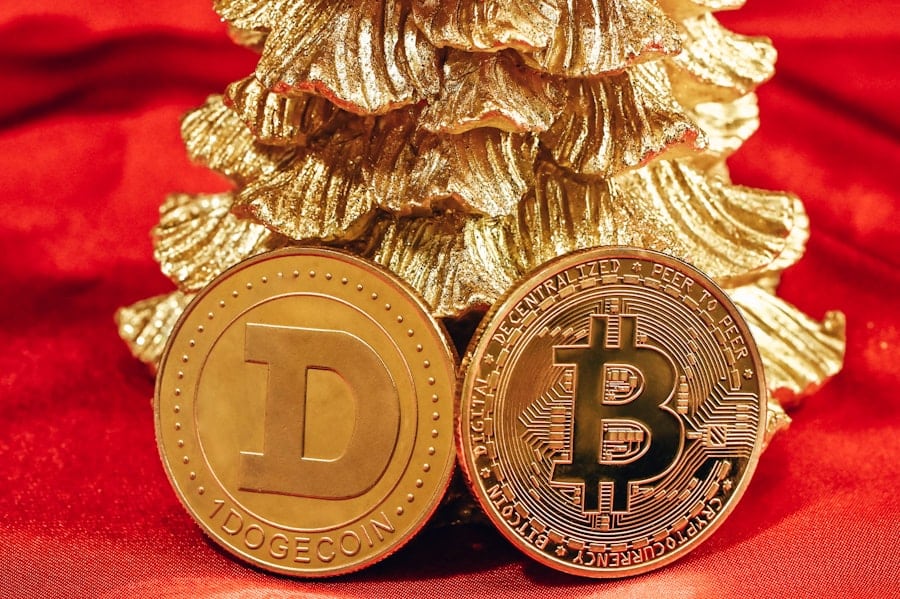
The debate between decentralization and centralization is at the heart of the cryptocurrency versus digital fiat currency discussion. You may appreciate the appeal of decentralization that cryptocurrencies offer; they empower individuals by removing intermediaries like banks and governments from financial transactions. This autonomy allows for greater control over your assets and can lead to lower transaction fees.
Moreover, decentralized systems can foster innovation and competition, as developers create new applications and services without needing approval from a central authority. On the flip side, centralization has its own set of advantages that cannot be overlooked. Digital fiat currencies are backed by governments, which can provide a sense of stability and trust that many users find reassuring.
Centralized systems can also facilitate faster transaction processing times and easier dispute resolution since there is a governing body to oversee operations. As you weigh these factors, consider how much control you want over your finances versus the security and stability that centralized systems can provide.
Transaction Speed and Cost
When evaluating transaction speed and cost, you may find that cryptocurrencies and digital fiat currencies differ significantly. Cryptocurrencies often face scalability issues that can lead to slower transaction times during periods of high demand. For instance, Bitcoin transactions can take longer to process when the network is congested, resulting in higher fees as users compete to have their transactions prioritized.
While some cryptocurrencies have implemented solutions like the Lightning Network to improve speed and reduce costs, these technologies are still evolving. In contrast, digital fiat currencies typically offer faster transaction speeds due to their centralized nature. Transactions can be processed almost instantaneously through established banking systems or payment processors.
Additionally, because these systems are regulated by governments, transaction fees are often lower than those associated with cryptocurrency exchanges. As you consider your options for making payments or transferring funds, think about how important speed and cost are to your specific needs.
Volatility and Stability
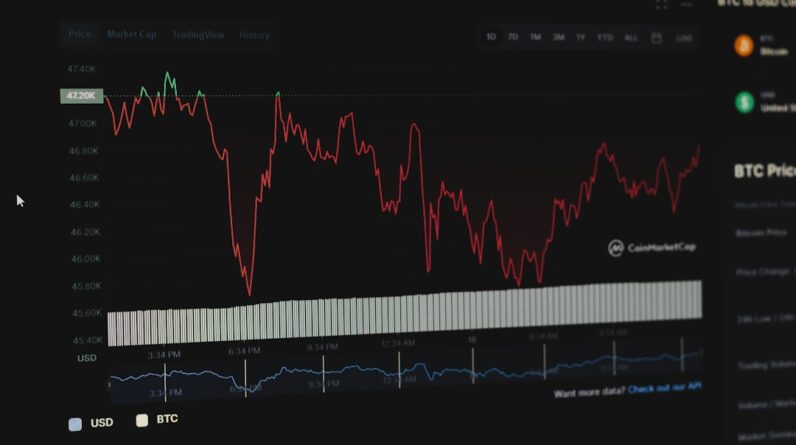
Volatility is one of the most significant challenges facing cryptocurrencies today. You may have noticed that the prices of cryptocurrencies can fluctuate wildly within short periods, leading to both opportunities for profit and risks of substantial losses. This volatility can deter some investors from entering the market or using cryptocurrencies for everyday transactions.
The lack of intrinsic value backing many cryptocurrencies contributes to this instability, making them susceptible to market sentiment and speculation. In contrast, digital fiat currencies tend to be more stable due to their backing by governments and central banks. These institutions implement monetary policies designed to maintain value and control inflation, which helps stabilize the currency’s purchasing power over time.
However, this stability comes at a cost; you may find that digital fiat currencies offer limited growth potential compared to their more volatile cryptocurrency counterparts. As you evaluate your investment strategies or payment methods, consider whether you prioritize stability or are willing to embrace the risks associated with potential high returns.
Accessibility and Adoption
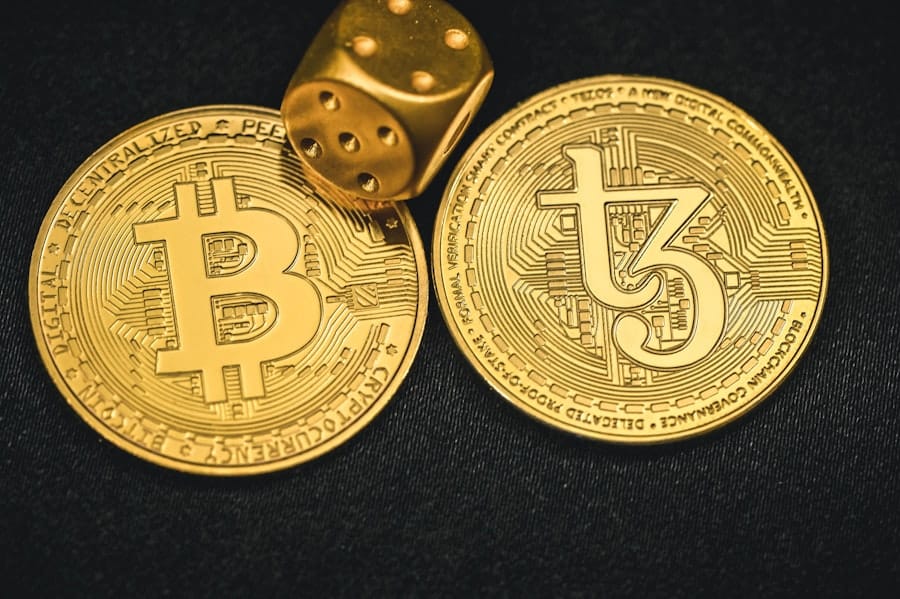
Accessibility is another critical factor when comparing cryptocurrencies and digital fiat currencies. You might find that cryptocurrencies have made significant strides in democratizing access to financial services for unbanked populations around the world. With just a smartphone and an internet connection, individuals can participate in the global economy without needing a traditional bank account.
This accessibility has led to increased adoption in regions where banking infrastructure is lacking or where individuals face barriers to entry in traditional financial systems. On the other hand, digital fiat currencies are often integrated into existing banking systems, making them more familiar to users who are accustomed to traditional banking practices. Governments are actively promoting the use of CBDCs as a means of enhancing financial inclusion while maintaining control over monetary policy.
However, this approach may not reach all segments of society equally, particularly in areas with limited technological infrastructure. As you consider your own access to financial services, think about how these different systems align with your needs and preferences.
Regulation and Government Control
Regulation plays a crucial role in shaping the landscape of both cryptocurrencies and digital fiat currencies. You may appreciate the freedom that comes with using cryptocurrencies; however, this freedom also attracts scrutiny from regulators concerned about issues like money laundering, tax evasion, and consumer protection. Governments around the world are grappling with how to regulate this new form of currency while balancing innovation with safety.
In contrast, digital fiat currencies operate within a framework of established regulations that provide a level of consumer protection and oversight. This regulatory environment can foster trust among users but may also stifle innovation due to bureaucratic hurdles. As you navigate these complex regulatory landscapes, consider how much oversight you believe is necessary for a secure financial system versus how much freedom you desire in managing your assets.
Future Outlook and Potential for Integration
Looking ahead, the future of cryptocurrency and digital fiat currencies is filled with potential for integration and collaboration. You may envision a world where both systems coexist harmoniously, leveraging their respective strengths to create a more efficient financial ecosystem. As technology continues to evolve, we could see innovations that bridge the gap between decentralized cryptocurrencies and centralized digital fiat currencies, allowing for seamless transactions across platforms.
Moreover, as more individuals become educated about these technologies and their benefits, adoption rates are likely to increase. Governments may also recognize the potential advantages of integrating blockchain technology into their existing systems, leading to enhanced transparency and efficiency in public services. As you reflect on this future landscape, consider how you might adapt your financial strategies to take advantage of these emerging opportunities while remaining mindful of the challenges that lie ahead.
In conclusion, as you explore the world of cryptocurrency and digital fiat currencies, it’s essential to weigh their respective advantages and disadvantages carefully. Each system offers unique features that cater to different needs and preferences in an ever-evolving financial landscape. By understanding these dynamics, you can make informed decisions about how best to engage with these innovative forms of currency in your personal or professional life.
FAQs
What is cryptocurrency?
Cryptocurrency is a digital or virtual form of currency that uses cryptography for security and operates independently of a central bank. It is decentralized and typically operates on a technology called blockchain.
What are digital fiat currencies?
Digital fiat currencies are traditional currencies, such as the US dollar or the euro, that are represented in digital form. They are issued and regulated by a central authority, such as a government or central bank.
How do cryptocurrency and digital fiat currencies compare in terms of decentralization?
Cryptocurrency is decentralized, meaning it operates on a peer-to-peer network without the need for a central authority. Digital fiat currencies are centralized and are issued and regulated by a central authority.
What is the difference in terms of security between cryptocurrency and digital fiat currencies?
Cryptocurrency uses cryptography and blockchain technology for security, making it difficult to counterfeit or double-spend. Digital fiat currencies also use security measures, but they are vulnerable to hacking and fraud.
How do cryptocurrency and digital fiat currencies differ in terms of transaction speed and cost?
Cryptocurrency transactions are typically faster and have lower fees compared to digital fiat currency transactions, especially for international transfers.
What is the difference in terms of privacy and anonymity between cryptocurrency and digital fiat currencies?
Cryptocurrency transactions can offer a higher level of privacy and anonymity compared to digital fiat currencies, which are often subject to government regulations and monitoring.
How do cryptocurrency and digital fiat currencies differ in terms of acceptance and adoption?
Cryptocurrency is still relatively new and has limited acceptance compared to digital fiat currencies, which are widely accepted and used for everyday transactions.