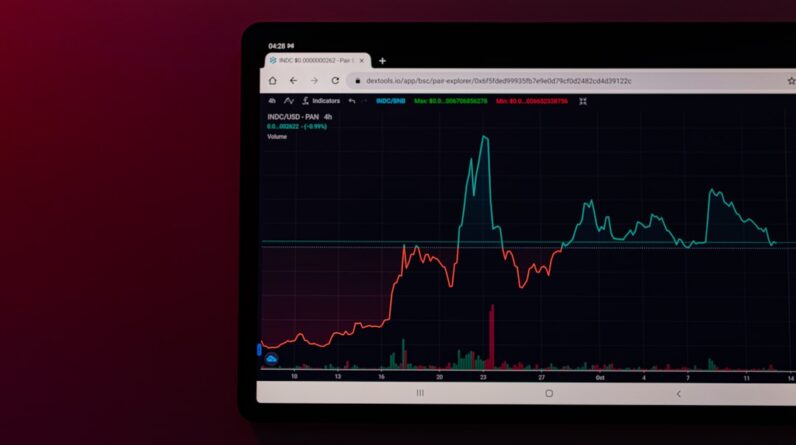
Cryptocurrency is a form of digital or virtual currency that employs cryptography for security, making it nearly impossible to counterfeit or double-spend. Unlike traditional currencies issued by governments, cryptocurrencies operate on decentralized networks based on blockchain technology. This technology serves as a public ledger that records all transactions across a network of computers, ensuring transparency and security.
You might find it fascinating that the first cryptocurrency, Bitcoin, was introduced in 2009 by an anonymous entity known as Satoshi Nakamoto. Since then, thousands of alternative cryptocurrencies have emerged, each with unique features and purposes. As you delve deeper into the world of cryptocurrency, you’ll discover that it offers various advantages over conventional financial systems.
For instance, transactions can be conducted without intermediaries like banks, which can lead to lower fees and faster processing times. Additionally, cryptocurrencies can provide financial services to the unbanked population, allowing individuals in developing countries to participate in the global economy. However, the decentralized nature of cryptocurrencies also raises concerns about regulation, security, and the potential for illicit activities.
Key Takeaways
- Cryptocurrency is a digital or virtual form of currency that uses cryptography for security and operates independently of a central bank.
- The rise of cryptocurrency has been fueled by factors such as increasing acceptance, technological advancements, and the potential for high returns.
- Signs of a bubble in the cryptocurrency market include rapid price increases, speculative investing, and a lack of intrinsic value.
- Historical bubbles, such as the Dutch Tulip Mania and the Dot-Com Bubble, serve as cautionary tales for the potential risks of investing in cryptocurrency.
- Factors contributing to cryptocurrency’s volatility include regulatory uncertainty, market manipulation, and the influence of social media on investor sentiment.
The Rise of Cryptocurrency
The rise of cryptocurrency has been nothing short of meteoric. In the early days, Bitcoin was primarily used by tech enthusiasts and those interested in alternative financial systems. However, as awareness grew and more people began to understand its potential, the demand surged.
You may have noticed that Bitcoin’s price skyrocketed from just a few cents to tens of thousands of dollars within a decade. This dramatic increase in value has attracted investors from all walks of life, eager to capitalize on what many see as a revolutionary financial asset. Moreover, the proliferation of Initial Coin Offerings (ICOs) and the emergence of various altcoins have contributed significantly to the cryptocurrency boom.
These new digital currencies often promise innovative solutions to existing problems or aim to disrupt traditional industries. As you explore this landscape, you might find it intriguing how major companies and institutions have started to embrace cryptocurrencies, further legitimizing their existence. From Tesla accepting Bitcoin for car purchases to major banks exploring blockchain technology for secure transactions, the mainstream acceptance of cryptocurrency is becoming increasingly evident.
Signs of a Bubble

As you navigate the cryptocurrency market, it’s essential to recognize the signs of a bubble. A bubble typically occurs when the price of an asset inflates rapidly due to excessive speculation rather than fundamental value. One clear indicator is the rapid increase in prices that far exceeds historical norms.
If you observe a sudden surge in interest and investment without corresponding advancements in technology or adoption, it may be a sign that the market is overheated. Another telltale sign is the influx of inexperienced investors who are drawn in by the fear of missing out (FOMO). If you find yourself surrounded by friends or acquaintances who are suddenly experts in cryptocurrency, it might be time to exercise caution.
Bubbles often attract those who are not well-versed in the market dynamics, leading to unsustainable price increases. Additionally, if you notice a lack of regulatory oversight or an abundance of dubious projects promising unrealistic returns, these could be red flags indicating that the market is ripe for a correction.
Historical Bubbles
To better understand the current state of cryptocurrency, it’s helpful to look back at historical bubbles that have occurred in various markets. One of the most famous examples is the Tulip Mania of the 17th century in the Netherlands. During this period, tulip bulbs became so highly sought after that their prices skyrocketed to astronomical levels before crashing dramatically.
This event serves as a cautionary tale about the dangers of speculative investing and how quickly market sentiment can shift. Another notable example is the dot-com bubble of the late 1990s and early 2000s. During this time, internet-based companies saw their stock prices soar based on hype and speculation rather than solid business models.
When reality set in and many companies failed to deliver on their promises, the bubble burst, leading to significant financial losses for investors. As you reflect on these historical events, you may find parallels with the current cryptocurrency landscape, where speculation often drives prices more than intrinsic value.
Factors Contributing to Cryptocurrency’s Volatility
Cryptocurrency’s volatility can be attributed to several factors that set it apart from traditional financial markets. One primary reason is its relatively small market capitalization compared to established assets like stocks or commodities. Because cryptocurrencies are still emerging and evolving, even minor changes in demand can lead to significant price fluctuations.
As you engage with this market, it’s crucial to understand how supply and demand dynamics can create wild swings in value. Additionally, external influences such as regulatory news or technological advancements can dramatically impact prices. For instance, announcements from governments regarding potential regulations can lead to panic selling or buying sprees among investors.
Similarly, technological developments—such as upgrades to blockchain protocols or security breaches—can also cause sudden shifts in market sentiment. As you navigate this landscape, staying informed about these factors will help you make more educated decisions.
Arguments For and Against Cryptocurrency as a Bubble

The debate surrounding whether cryptocurrency constitutes a bubble is ongoing and multifaceted. On one hand, proponents argue that cryptocurrencies represent a groundbreaking innovation in finance and technology. They believe that as adoption increases and more use cases emerge, cryptocurrencies will stabilize and become integral parts of our financial systems.
You might find it compelling that many advocates see cryptocurrencies as a hedge against inflation and a way to diversify investment portfolios. Conversely, skeptics argue that the rapid price increases are unsustainable and driven primarily by speculation rather than genuine utility or value creation. They point out that many cryptocurrencies lack solid fundamentals or real-world applications, making them vulnerable to sharp corrections.
As you consider both sides of this argument, it’s essential to weigh the potential benefits against the risks involved in investing in such a volatile asset class.
The Future of Cryptocurrency
Looking ahead, the future of cryptocurrency remains uncertain yet promising. As technology continues to evolve and more people become familiar with digital currencies, you may witness increased adoption across various sectors. Financial institutions are exploring ways to integrate blockchain technology into their operations, which could lead to greater efficiency and security in transactions.
Furthermore, central banks around the world are investigating Central Bank Digital Currencies (CBDCs), which could reshape how we think about money. However, challenges remain on the horizon. Regulatory scrutiny is likely to intensify as governments seek to protect consumers and maintain financial stability.
You may also encounter ongoing debates about environmental concerns related to energy-intensive mining processes associated with certain cryptocurrencies. As these issues unfold, staying informed will be crucial for anyone looking to navigate this dynamic landscape effectively.
Tips for Navigating the Cryptocurrency Market
If you’re considering entering the cryptocurrency market or looking to enhance your existing knowledge, there are several tips you should keep in mind. First and foremost, conduct thorough research before investing in any cryptocurrency. Understanding the technology behind a coin, its use case, and its team can provide valuable insights into its potential longevity and success.
Additionally, consider diversifying your investments rather than putting all your funds into one asset. This strategy can help mitigate risks associated with volatility while allowing you to explore various opportunities within the market. It’s also wise to set clear investment goals and establish a budget that aligns with your risk tolerance.
Lastly, stay updated on market trends and news that could impact your investments. Engaging with reputable sources and communities can help you gain insights into market sentiment and emerging developments. By arming yourself with knowledge and adopting a cautious approach, you can navigate the complexities of the cryptocurrency market more effectively while minimizing potential pitfalls along the way.
FAQs
What is a cryptocurrency bubble?
A cryptocurrency bubble refers to a rapid increase in the value of cryptocurrencies followed by a sudden and sharp decrease in value, resembling the shape of a bubble.
What causes a cryptocurrency bubble?
Cryptocurrency bubbles can be caused by speculative investing, media hype, and market manipulation. These factors can lead to an unsustainable increase in the value of cryptocurrencies.
How can one identify a cryptocurrency bubble?
Signs of a cryptocurrency bubble include rapid price increases, increased media attention, and a surge in new investors entering the market. Additionally, a lack of fundamental value to support the price increase can also indicate a bubble.
What are the risks of investing in a cryptocurrency bubble?
Investing in a cryptocurrency bubble carries the risk of losing a significant portion of the investment when the bubble bursts. It can also lead to market instability and financial losses for investors.
Is cryptocurrency a bubble?
The question of whether cryptocurrency is a bubble is a topic of debate among experts. Some argue that the rapid price increases and speculative nature of cryptocurrency markets resemble a bubble, while others believe in the long-term potential of cryptocurrencies.