In recent years, the world of finance has witnessed a significant transformation with the advent of cryptocurrencies. As you delve into the realm of crypto payments, it’s essential to grasp the fundamental concepts that underpin this innovative payment method. Unlike traditional currencies, cryptocurrencies operate on decentralized networks, primarily utilizing blockchain technology.
This means that transactions are recorded on a public ledger, ensuring transparency and security. By understanding these principles, you can appreciate the advantages and challenges associated with using cryptocurrencies for payments. One of the most appealing aspects of crypto payments is their potential for lower transaction costs and faster processing times compared to conventional banking systems.
When you make a payment using cryptocurrency, you often bypass intermediaries like banks, which can lead to reduced fees and quicker transactions. Additionally, cryptocurrencies can be particularly beneficial for international payments, as they eliminate the need for currency conversion and can significantly reduce transfer times. As you explore this payment method, consider how these features can enhance your financial transactions and provide you with greater control over your money.
Key Takeaways
- Crypto payments are digital transactions that use cryptocurrency as a medium of exchange, providing a secure and decentralized way to make payments.
- Setting up a crypto wallet is essential for storing, sending, and receiving cryptocurrency, and can be done through various platforms such as online, mobile, hardware, or paper wallets.
- When choosing the right cryptocurrency for payments, consider factors such as transaction speed, security, and acceptance by merchants.
- Making a payment with cryptocurrency involves obtaining the recipient’s wallet address, entering the amount to be sent, and confirming the transaction through the wallet.
- Understanding transaction fees is important as they can vary based on network congestion and transaction speed, so it’s crucial to factor them into your payment decisions.
Setting Up a Crypto Wallet
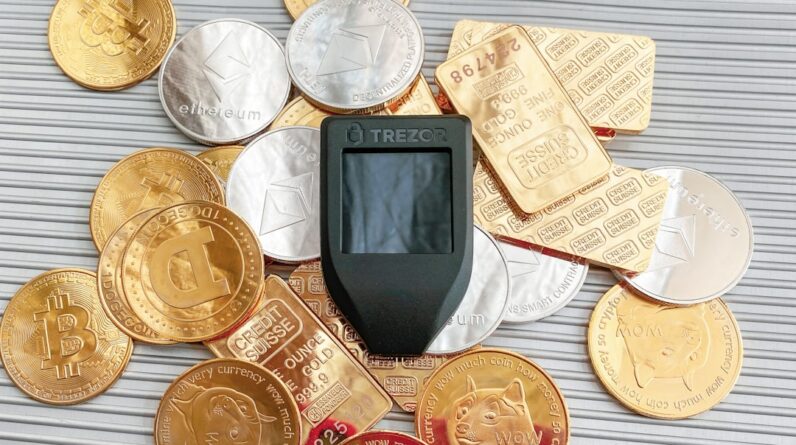
To begin your journey into the world of cryptocurrency payments, the first step is to set up a crypto wallet. A wallet serves as a digital repository for your cryptocurrencies, allowing you to send, receive, and store your digital assets securely. There are various types of wallets available, including hardware wallets, software wallets, and mobile wallets.
Each type has its own advantages and disadvantages, so it’s crucial to choose one that aligns with your needs and preferences. When selecting a wallet, consider factors such as security features, ease of use, and compatibility with different cryptocurrencies. Hardware wallets, for instance, are known for their robust security measures, as they store your private keys offline.
On the other hand, software wallets offer convenience and accessibility but may be more vulnerable to cyber threats. Once you’ve chosen a wallet that suits you, follow the setup instructions carefully to ensure that your digital assets are protected. Remember to back up your wallet and keep your recovery phrase secure; losing access to your wallet can mean losing your funds permanently.
Choosing the Right Cryptocurrency

With thousands of cryptocurrencies available in the market today, selecting the right one for your payments can be overwhelming. While Bitcoin remains the most recognized and widely used cryptocurrency, there are numerous alternatives that may better suit your needs. As you navigate this landscape, consider factors such as transaction speed, fees, and the specific use cases of different cryptocurrencies.
For instance, if you’re looking for a cryptocurrency that offers fast transaction times and low fees, you might explore options like Litecoin or Ripple. Alternatively, if you’re interested in privacy-focused transactions, Monero or Zcash could be more appealing. Take the time to research each cryptocurrency’s features and community support before making a decision.
By choosing the right cryptocurrency for your payments, you can enhance your overall experience and maximize the benefits of using digital currencies.
Making a Payment with Cryptocurrency
Once you’ve set up your wallet and chosen a cryptocurrency, you’re ready to make your first payment. The process is generally straightforward but may vary slightly depending on the platform or merchant you’re dealing with. To initiate a payment, you’ll typically need the recipient’s wallet address and the amount you wish to send.
Most wallets provide an easy-to-use interface that allows you to input this information quickly. Before finalizing the transaction, double-check the recipient’s wallet address to avoid any costly mistakes. Cryptocurrency transactions are irreversible; once you send funds, there’s no way to retrieve them if they go to the wrong address.
After confirming the details, initiate the payment and wait for it to be processed. Depending on the cryptocurrency and network congestion, transactions can take anywhere from a few seconds to several minutes to complete. Once confirmed, you’ll receive a notification in your wallet, indicating that the payment was successful.
Understanding Transaction Fees
As you engage in crypto payments, it’s essential to understand transaction fees associated with each transaction. While one of the advantages of using cryptocurrencies is lower fees compared to traditional banking systems, fees can still vary significantly based on several factors. These include network congestion, the specific cryptocurrency being used, and the wallet or exchange platform you choose.
When making a payment, your wallet will typically display an estimated fee based on current network conditions. You may have the option to adjust this fee; higher fees can expedite transaction processing during busy periods while lower fees may result in longer wait times. It’s wise to familiarize yourself with how fees work within your chosen cryptocurrency network so that you can make informed decisions about when and how much to pay in fees.
Keeping Your Crypto Safe

Security is paramount when it comes to managing your cryptocurrency assets. As digital currencies become more popular, they also attract attention from hackers and cybercriminals. To protect your investments, it’s crucial to implement best practices for securing your crypto wallet and transactions.
Start by enabling two-factor authentication (2FA) on your wallet whenever possible; this adds an extra layer of security by requiring a second form of verification in addition to your password. Additionally, consider using hardware wallets for long-term storage of significant amounts of cryptocurrency. These devices keep your private keys offline and are less susceptible to online threats.
Regularly updating your software wallets and keeping your devices secure from malware are also essential steps in safeguarding your assets. By taking these precautions seriously, you can minimize risks and enjoy peace of mind while using cryptocurrencies for payments.
Using Crypto for Online Shopping
The rise of e-commerce has opened up new avenues for using cryptocurrencies in everyday transactions. Many online retailers now accept crypto payments as an alternative to traditional payment methods. This shift not only provides consumers with more options but also allows businesses to tap into a growing market of crypto enthusiasts.
As you explore online shopping with cryptocurrencies, look for merchants that explicitly state their acceptance of digital currencies. When making purchases with crypto, the process is similar to traditional online shopping: select your items, proceed to checkout, and choose cryptocurrency as your payment method. You’ll then be prompted to enter your wallet address or scan a QR code provided by the merchant.
Keep in mind that some retailers may have specific policies regarding refunds or returns when dealing with crypto payments; familiarize yourself with these policies before completing your purchase.
Tips for Using Crypto for Payments
As you navigate the world of cryptocurrency payments, consider implementing some practical tips to enhance your experience. First and foremost, stay informed about market trends and developments within the crypto space. The landscape is constantly evolving; being aware of changes can help you make better decisions regarding which cryptocurrencies to use and when to make transactions.
Additionally, keep track of your spending habits and maintain records of all transactions for tax purposes. Many countries require individuals to report their cryptocurrency gains or losses; having organized records will simplify this process come tax season. Lastly, don’t hesitate to engage with online communities or forums dedicated to cryptocurrency discussions; these platforms can provide valuable insights and support as you continue exploring this exciting financial frontier.
In conclusion, embracing cryptocurrency payments opens up a world of possibilities for managing your finances more efficiently and securely. By understanding how crypto payments work, setting up a wallet, choosing the right currency, and following best practices for security and usage, you can navigate this innovative landscape with confidence. Whether you’re making everyday purchases or exploring new investment opportunities, being well-informed will empower you to make the most of your cryptocurrency experience.
FAQs
What is cryptocurrency?
Cryptocurrency is a digital or virtual form of currency that uses cryptography for security and operates independently of a central bank.
How can I use cryptocurrency for payments?
You can use cryptocurrency for payments by setting up a digital wallet, obtaining the recipient’s wallet address, and then transferring the desired amount of cryptocurrency to that address.
What are the advantages of using cryptocurrency for payments?
Using cryptocurrency for payments offers advantages such as lower transaction fees, faster cross-border transactions, and increased security and privacy.
What are some popular cryptocurrencies that can be used for payments?
Popular cryptocurrencies that can be used for payments include Bitcoin, Ethereum, Ripple, Litecoin, and many others.
Are there any risks associated with using cryptocurrency for payments?
Some risks associated with using cryptocurrency for payments include price volatility, potential for hacking and fraud, and lack of regulation in some jurisdictions.
Can I use cryptocurrency for both online and in-person payments?
Yes, cryptocurrency can be used for both online and in-person payments, depending on the merchant’s acceptance of digital currency.