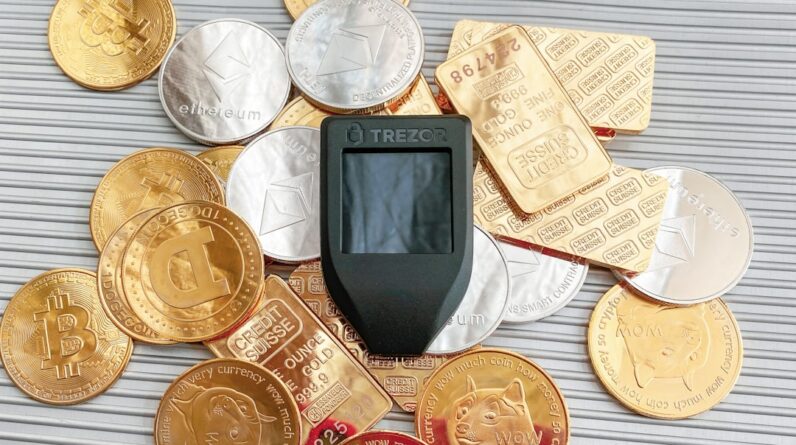
In recent years, you may have noticed a significant shift in the financial landscape, largely driven by the emergence of cryptocurrency. Initially introduced with Bitcoin in 2009, this digital currency has rapidly gained traction, capturing the attention of investors, technologists, and everyday consumers alike. The allure of decentralized finance, coupled with the promise of high returns, has led to an explosion of interest in various cryptocurrencies.
You might find it fascinating that thousands of alternative coins have emerged, each with unique features and purposes, creating a vibrant ecosystem that challenges traditional financial systems. As you delve deeper into the world of cryptocurrency, you will discover that its rise is not merely a trend but a reflection of broader societal changes. The global financial crisis of 2008 sparked a desire for alternatives to conventional banking systems, leading many to seek out decentralized solutions.
Cryptocurrencies offer a way to bypass traditional intermediaries, allowing for peer-to-peer transactions that can be executed quickly and with lower fees. This shift has empowered individuals, giving them greater control over their finances and fostering a sense of autonomy that resonates with many in today’s digital age.
Key Takeaways
- Cryptocurrency has seen a significant rise in popularity and adoption in recent years, with the emergence of Bitcoin and other digital currencies.
- Gold has played a historical role as a store of value and medium of exchange for centuries, and its value has remained relatively stable over time.
- Both cryptocurrency and gold have similarities as alternative forms of currency, but they also have differences in terms of physicality, scarcity, and utility.
- The advantages of cryptocurrency as a replacement for gold include ease of transfer, divisibility, and security, but it also has disadvantages such as price volatility and regulatory uncertainty.
- The potential impact of cryptocurrency replacing gold in financial markets could lead to increased diversification and innovation, but it also poses risks of market instability and manipulation.
- Government and regulatory involvement in cryptocurrency and gold will play a crucial role in shaping their future, as they seek to balance innovation with consumer protection and financial stability.
- The future of cryptocurrency and gold is uncertain, but they are likely to coexist as alternative assets with different characteristics and appeal to different types of investors.
- Investors should consider factors such as risk tolerance, investment goals, and market conditions when deciding whether to invest in cryptocurrency, gold, or both.
The Historical Role of Gold
Gold has held a prominent place in human history as a symbol of wealth and stability. For centuries, you could find it used as a form of currency, a store of value, and a means of trade across various cultures. Its intrinsic properties—scarcity, durability, and divisibility—have made it an ideal medium for exchange.
As you explore the historical significance of gold, you will see how it has been revered not only for its beauty but also for its ability to withstand economic turmoil. During times of crisis, gold often emerges as a safe haven, providing security and reassurance to investors. The role of gold in the global economy has evolved over time, yet its fundamental appeal remains unchanged.
You may be aware that even as fiat currencies gained prominence, central banks around the world continued to hold substantial gold reserves as a hedge against inflation and currency devaluation. This enduring trust in gold reflects its status as a reliable asset that can weather economic storms. As you consider the historical context of gold, it becomes clear that its legacy is deeply intertwined with humanity’s quest for stability and security in an ever-changing world.
The Similarities and Differences Between Crypto and Gold

When comparing cryptocurrency and gold, you will find both striking similarities and notable differences. At first glance, both assets serve as stores of value and are often viewed as hedges against inflation. Just as gold has been sought after for centuries as a safe haven during economic uncertainty, cryptocurrencies have emerged as an alternative investment that some believe can provide similar protection.
Both assets also share a common trait: they are not directly tied to any government or central authority, which can enhance their appeal in times of political or economic instability. However, the differences between these two assets are equally significant. While gold is a tangible asset with intrinsic value derived from its physical properties, cryptocurrencies exist solely in the digital realm.
This distinction raises questions about the long-term viability of cryptocurrencies as a stable store of value. Additionally, the volatility associated with cryptocurrencies can be starkly contrasted with gold’s historical stability. As you navigate this complex landscape, it is essential to weigh these similarities and differences carefully when considering your investment strategy.
The Advantages and Disadvantages of Crypto as a Replacement for Gold
As you contemplate the potential for cryptocurrency to replace gold as a store of value, it’s crucial to examine both the advantages and disadvantages inherent in this transition. One significant advantage of cryptocurrencies is their accessibility; you can buy and trade them easily through various online platforms without the need for intermediaries. This democratization of finance allows individuals from all walks of life to participate in the market, potentially leading to greater financial inclusion.
On the flip side, the volatility of cryptocurrencies poses a considerable risk. Unlike gold, which has maintained a relatively stable value over time, cryptocurrencies can experience dramatic price fluctuations within short periods. This unpredictability can deter conservative investors who prefer the reliability that gold offers.
Furthermore, the lack of regulation in the cryptocurrency market raises concerns about security and fraud, making it imperative for you to conduct thorough research before diving into this new asset class.
The Potential Impact on Financial Markets
The rise of cryptocurrency has already begun to reshape financial markets in profound ways. As you observe this evolution, you may notice that traditional financial institutions are increasingly adapting to accommodate digital currencies. Major banks are exploring blockchain technology for its potential to streamline transactions and enhance security.
This integration signifies a shift in how financial services operate and could lead to greater efficiency in the long run. However, the impact of cryptocurrency on financial markets is not without its challenges. The volatility associated with digital currencies can create instability within traditional markets, leading to concerns among regulators and investors alike.
As you consider these dynamics, it’s essential to recognize that the future of finance may be characterized by a delicate balance between innovation and regulation. The interplay between cryptocurrencies and traditional financial systems will likely continue to evolve as both sectors seek to coexist and adapt to changing consumer preferences.
The Role of Government and Regulation

As cryptocurrencies gain prominence, governments around the world are grappling with how to regulate this burgeoning market effectively. You may have noticed that some countries have embraced digital currencies wholeheartedly, while others have taken a more cautious approach or outright banned them. This divergence reflects varying attitudes toward innovation and risk management within different political landscapes.
Regulation plays a crucial role in shaping the future of cryptocurrency by providing a framework for consumer protection and market stability. As you follow developments in this area, you’ll see that governments are increasingly focused on addressing issues such as fraud, money laundering, and tax evasion associated with digital currencies. Striking the right balance between fostering innovation and ensuring security will be essential for creating an environment where cryptocurrencies can thrive while safeguarding investors’ interests.
The Future of Crypto and Gold
Looking ahead, the future of both cryptocurrency and gold appears to be intertwined yet distinct. You may find it intriguing that while cryptocurrencies continue to gain traction among younger generations seeking alternative investment opportunities, gold remains steadfast as a time-honored asset favored by more conservative investors. This duality suggests that both assets may coexist in the financial landscape for years to come.
As technology advances and consumer preferences evolve, you might witness new developments that further blur the lines between these two asset classes. For instance, innovations such as tokenized gold—where physical gold is represented digitally on a blockchain—could create new investment opportunities that combine the stability of gold with the accessibility of cryptocurrency. As you explore these possibilities, it becomes evident that the future will likely be characterized by an ongoing dialogue between tradition and innovation.
Considerations for Investors
As an investor navigating this complex landscape, it’s essential to approach both cryptocurrency and gold with careful consideration. You should assess your risk tolerance and investment goals before diving into either asset class. Diversification remains a key strategy; by allocating your resources across various investments, you can mitigate risks associated with volatility while capitalizing on potential growth opportunities.
Moreover, staying informed about market trends and regulatory developments will empower you to make educated decisions regarding your investments. Whether you choose to invest in cryptocurrencies or gold—or perhaps both—understanding the unique characteristics and risks associated with each asset will be crucial for your long-term success. As you embark on this journey, remember that knowledge is your most valuable tool in navigating the ever-evolving world of finance.
FAQs
What is cryptocurrency?
Cryptocurrency is a digital or virtual form of currency that uses cryptography for security and operates independently of a central bank.
What is gold?
Gold is a chemical element with the symbol Au (from Latin: aurum) and atomic number 79. It is a precious metal that has been used for various purposes, including as a form of currency and as a store of value.
Can cryptocurrency replace gold?
There is ongoing debate about whether cryptocurrency could replace gold as a store of value. Some proponents of cryptocurrency argue that its limited supply and decentralized nature make it a viable alternative to gold, while others believe that gold’s physical properties and long history as a store of value give it an enduring advantage.
What are the advantages of cryptocurrency over gold?
Advantages of cryptocurrency over gold include its ease of transfer, divisibility, and potential for innovation in the financial sector. Additionally, some argue that cryptocurrency’s limited supply and transparency make it a more reliable store of value.
What are the advantages of gold over cryptocurrency?
Advantages of gold over cryptocurrency include its physical properties, long history as a store of value, and widespread acceptance as a form of currency and investment. Gold is also seen as a hedge against inflation and economic uncertainty.
Is it likely that cryptocurrency will replace gold?
The likelihood of cryptocurrency replacing gold is uncertain and subject to ongoing debate. While cryptocurrency has gained popularity and acceptance in recent years, gold’s enduring status as a store of value and its physical properties make it unlikely to be replaced entirely by cryptocurrency.