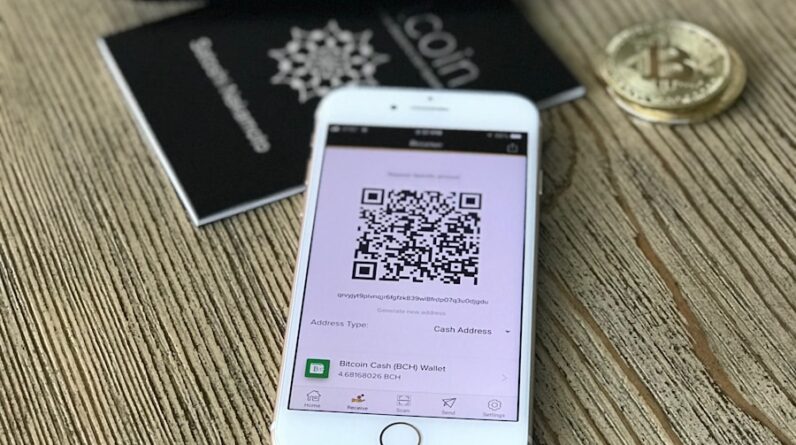
In recent years, you may have noticed a significant shift in the financial landscape, largely driven by the emergence of cryptocurrency. Initially introduced with Bitcoin in 2009, this digital currency has sparked a revolution that has captured the attention of investors, technologists, and everyday consumers alike. The allure of cryptocurrencies lies in their decentralized nature, which allows for peer-to-peer transactions without the need for intermediaries like banks.
This innovation has not only challenged traditional financial systems but has also opened up new avenues for economic participation across the globe. As you delve deeper into the world of cryptocurrency, you will find that its rise is not merely a trend but a fundamental change in how value is perceived and exchanged. The increasing acceptance of cryptocurrencies by major corporations and financial institutions has further legitimized their use.
You might recall instances where companies like Tesla and PayPal began accepting Bitcoin as a form of payment, signaling a shift in consumer behavior and trust in digital currencies. This growing acceptance is indicative of a broader movement towards a more digitized economy, where cryptocurrencies are poised to play a pivotal role.
Key Takeaways
- Cryptocurrency has seen a significant rise in popularity and adoption in recent years.
- Digital payments offer advantages such as convenience, speed, and lower transaction fees.
- Blockchain technology plays a crucial role in ensuring the security and transparency of cryptocurrency transactions.
- Traditional banking institutions are facing the impact of cryptocurrency as more people turn to digital payments.
- Government regulation of cryptocurrency is a key factor in shaping its future and ensuring consumer protection.
The Advantages of Digital Payments
Digital payments offer a plethora of advantages that can enhance your financial transactions. One of the most significant benefits is convenience. With just a few taps on your smartphone or clicks on your computer, you can send or receive money instantly, regardless of geographical barriers.
This ease of use is particularly appealing in an increasingly fast-paced world where time is of the essence. You no longer need to stand in long lines at banks or ATMs; instead, you can manage your finances from the comfort of your home or on the go. Moreover, digital payments often come with lower transaction fees compared to traditional banking methods.
When you use credit cards or wire transfers, you may encounter hefty charges that can eat into your profits or savings. In contrast, many digital payment platforms offer competitive rates or even free transactions for certain services. This cost-effectiveness can be especially beneficial for small businesses and freelancers who rely on efficient payment methods to maintain their cash flow.
As you explore these options, you will likely find that digital payments not only save you time but also money.
The Role of Blockchain Technology

At the heart of cryptocurrency lies blockchain technology, a revolutionary system that underpins its functionality. You might think of blockchain as a digital ledger that records all transactions across a network of computers. This decentralized approach ensures that no single entity has control over the entire system, which enhances transparency and security.
Each transaction is verified by multiple participants in the network, making it nearly impossible to alter or manipulate the data once it has been recorded. As you consider the implications of blockchain technology, you’ll realize its potential extends far beyond cryptocurrencies. Industries such as supply chain management, healthcare, and real estate are beginning to adopt blockchain solutions to improve efficiency and accountability.
For instance, in supply chains, blockchain can provide real-time tracking of goods, ensuring authenticity and reducing fraud. In healthcare, patient records can be securely stored and shared among authorized providers without compromising privacy. The versatility of blockchain technology positions it as a transformative force across various sectors, making it an exciting area to watch as it continues to evolve.
The Impact on Traditional Banking
The rise of cryptocurrency and digital payments has undoubtedly disrupted traditional banking systems. As you observe this transformation, you may notice that banks are increasingly adapting to the changing landscape by incorporating digital solutions into their services. Many financial institutions are now offering cryptocurrency trading options or developing their own digital currencies to remain competitive.
This shift reflects an acknowledgment that consumers are seeking more innovative and efficient ways to manage their finances. However, this evolution also poses challenges for traditional banks. You might find that some institutions are struggling to keep pace with the rapid advancements in technology and consumer expectations.
As more people turn to cryptocurrencies for their financial needs, banks may face declining customer loyalty and reduced transaction volumes. This pressure could lead to a reevaluation of their business models and service offerings as they strive to retain relevance in an increasingly digital world.
Government Regulation and Cryptocurrency
As cryptocurrency continues to gain traction, governments around the world are grappling with how to regulate this burgeoning market. You may have noticed that regulatory frameworks vary significantly from one country to another, reflecting differing attitudes towards digital currencies. Some nations have embraced cryptocurrencies, creating favorable environments for innovation and investment, while others have imposed strict regulations or outright bans due to concerns over fraud and money laundering.
The challenge for regulators lies in striking a balance between fostering innovation and protecting consumers. As you follow developments in this area, you might see governments implementing measures such as Know Your Customer (KYC) requirements and anti-money laundering (AML) regulations to ensure transparency and accountability within the cryptocurrency space. These regulations aim to create a safer environment for users while also legitimizing the industry in the eyes of traditional financial institutions.
Security and Privacy Concerns

While the benefits of cryptocurrency and digital payments are numerous, they are not without their drawbacks. Security and privacy concerns are paramount as you navigate this new financial landscape. High-profile hacks and scams have raised alarms about the safety of digital assets, leading many potential users to hesitate before fully embracing cryptocurrencies.
You may have heard stories of individuals losing their life savings due to phishing attacks or exchange breaches, highlighting the importance of safeguarding your investments. Moreover, privacy is another critical issue that warrants your attention. While blockchain technology offers transparency, it also raises questions about data privacy.
Transactions are recorded on a public ledger, which means that anyone can trace them back to their origin. As you consider using cryptocurrencies, it’s essential to weigh the trade-offs between transparency and anonymity. Some cryptocurrencies prioritize privacy features, allowing users to conduct transactions without revealing their identities.
Understanding these nuances will empower you to make informed decisions about your financial activities in the digital realm.
The Potential for Global Financial Inclusion
One of the most promising aspects of cryptocurrency is its potential to promote global financial inclusion. You may be aware that billions of people worldwide remain unbanked or underbanked, lacking access to essential financial services such as savings accounts or loans. Cryptocurrencies can bridge this gap by providing individuals with a means to participate in the global economy without relying on traditional banking infrastructure.
As you explore this potential, consider how mobile technology has already transformed access to financial services in developing regions. With just a smartphone and an internet connection, individuals can engage in peer-to-peer transactions, send remittances across borders at lower costs, and even access decentralized finance (DeFi) platforms for lending and borrowing. This democratization of finance empowers individuals who have been historically marginalized by traditional banking systems, enabling them to take control of their financial futures.
The Future of Digital Payments
Looking ahead, the future of digital payments appears bright yet complex as you navigate this evolving landscape. The integration of artificial intelligence (AI) and machine learning into payment systems promises to enhance security measures and streamline transaction processes further. You might anticipate innovations such as biometric authentication methods that could replace passwords or PINs, making transactions even more secure and user-friendly.
Additionally, as cryptocurrencies continue to gain mainstream acceptance, you may witness an increasing convergence between traditional finance and digital currencies. Central banks around the world are exploring Central Bank Digital Currencies (CBDCs), which could offer the benefits of cryptocurrencies while maintaining government oversight and stability. This development could reshape how you interact with money on a daily basis, blurring the lines between fiat currencies and digital assets.
In conclusion, as you reflect on the rise of cryptocurrency and its implications for digital payments, it’s clear that we are at the forefront of a financial revolution. The advantages offered by digital payments, coupled with the transformative potential of blockchain technology, are reshaping how you think about money and transactions. While challenges such as regulation and security remain, the promise of greater financial inclusion and innovation continues to drive this dynamic landscape forward.
As you engage with these changes, staying informed will empower you to navigate the future of finance with confidence.
FAQs
What is cryptocurrency?
Cryptocurrency is a digital or virtual form of currency that uses cryptography for security and operates independently of a central bank. It is decentralized and typically uses a technology called blockchain to record transactions.
How does cryptocurrency work?
Cryptocurrency works through a technology called blockchain, which is a distributed ledger that records all transactions across a network of computers. When a transaction is made, it is verified by network participants and added to the blockchain, making it secure and transparent.
What are the advantages of using cryptocurrency for digital payments?
Some advantages of using cryptocurrency for digital payments include lower transaction fees, faster cross-border transactions, increased security and privacy, and accessibility to those without traditional banking services.
What are the risks associated with using cryptocurrency for digital payments?
Risks associated with using cryptocurrency for digital payments include price volatility, potential for hacking and fraud, lack of regulation and consumer protection, and the potential for illegal activities such as money laundering.
How is cryptocurrency impacting the future of digital payments?
Cryptocurrency is impacting the future of digital payments by providing an alternative to traditional banking systems, enabling faster and more secure transactions, and driving innovation in financial technology. It also has the potential to increase financial inclusion for those without access to traditional banking services.