Have you ever wondered how much you should initially invest in cryptocurrency? It’s a question that weighs heavily on many potential investors, especially given the volatile nature of the crypto market. Investing in cryptocurrency can feel overwhelming. It’s easy to become consumed by the question of how much to invest, while also trying to navigate through the complexities of the market itself.

Understanding Cryptocurrency
Before diving into the investment specifics, it’s essential to comprehend what cryptocurrency is. Cryptocurrency is a form of digital or virtual currency that uses cryptography for security. Unlike traditional currencies issued by governments, cryptocurrencies operate on technology called blockchain, which offers decentralized and secure transactions. Bitcoin, Ethereum, and Ripple are just a few examples of the numerous cryptocurrencies available today.
By understanding these basic concepts, you can begin to develop a clearer strategy for your investment decisions.
The Risks and Rewards of Investing in Cryptocurrency
Investing in cryptocurrency comes with its unique sets of risks and rewards. On one hand, many investors have seen substantial gains; on the other, the market is known for its dramatic price swings.
Risks
-
Volatility: Cryptocurrency prices are notorious for their volatility. Prices can surge or plummet within a matter of hours. This erratic behavior can lead to substantial gains, but just as easily result in significant losses.
-
Lack of Regulation: The crypto market is still in its early stages and is not as regulated as traditional financial markets. This can lead to higher risks associated with fraud and market manipulation.
-
Technical Issues: Cryptocurrencies rely on technology that, while advanced, can have vulnerabilities. Issues such as hacking, software bugs, or system failures can impact your investments.
Rewards
-
High Potential Returns: History shows that early investors in promising cryptocurrencies can see returns that far exceed what is typically available in traditional investments.
-
Diversification: Obtaining cryptocurrencies can provide diversification to your investment portfolio, which can help mitigate risks associated with traditional assets.
-
Access to New Markets: Investing in cryptocurrencies can give you exposure to innovative technologies and financial systems, opening doors to new opportunities.
Understanding these risks and rewards can help shape your investment strategy and decide how much to initially invest in cryptocurrencies based on your financial situation, risk tolerance, and investment goals.
Setting Your Investment Goals
Before investing, it’s crucial to set clear investment goals. Your objectives may vary based on your financial situation, age, and future plans. Here are a few types of goals you might consider:
Short-term vs. Long-term Investment Goals
-
Short-term Goals: If you’re looking for quick returns, you may aim to engage in day trading or swing trading, taking advantage of price fluctuations.
-
Long-term Goals: If you’re in it for the long haul, you might consider holding onto your investments for several years, allowing them to grow as the market matures.
Financial Situation and Risk Tolerance
-
Assessing Your Finances: Take a close look at your current financial situation. How much do you have in savings? What are your monthly expenses? It’s vital to avoid investing money you can’t afford to lose.
-
Understanding Risk Tolerance: Everyone has a different risk tolerance level. Some might feel comfortable taking significant risks for high rewards, while others prefer safer, more stable investments. Recognizing where you stand will help determine your initial investment.
Determining How Much to Invest
Now that you’ve established your goals and considered your financial situation and risk tolerance, it’s time to think about how much you should invest.
The 1% Rule
Many financial experts recommend starting small. A common rule is to invest only 1% of your total portfolio in cryptocurrencies. This allows you to participate in the market without overcommitting financially.
Dollar-Cost Averaging
Another effective approach is dollar-cost averaging. This strategy involves regularly investing a fixed dollar amount in cryptocurrency, regardless of its price. It can reduce the impact of volatility since you’ll be purchasing tokens at varying prices. For example:
| Month | Amount Invested | Price Per Coin | Coins Purchased |
|---|---|---|---|
| 1 | $100 | $10 | 10 |
| 2 | $100 | $20 | 5 |
| 3 | $100 | $15 | 6.67 |
| Total | $300 | 21.67 |
In this table, you can see how dollar-cost averaging works over three months. By spreading out your investments, you lower your average entry price and mitigate risk.
Establishing a Maximum Investment Limit
Deciding on a maximum investment limit is vital. Consider setting a percentage of your overall portfolio that you’re willing to allocate to cryptocurrency. Many financial advisors recommend limiting this to no more than 5-10% of your total investments. This safeguard ensures that you won’t face severe losses should the market decline.

Researching Cryptocurrencies
Before making investments, thorough research is crucial. The crypto market is vast and complex, with thousands of options available. Here’s how to go about it:
Understanding Different Cryptocurrencies
Familiarize yourself with various cryptocurrencies and their unique features. Here are a few well-known options:
- Bitcoin (BTC): The first and most recognized cryptocurrency, often viewed as digital gold.
- Ethereum (ETH): A platform for building decentralized applications, enabling smart contracts and more.
- Ripple (XRP): Focused on facilitating international money transfers, often used by banks.
Evaluating Project Fundamentals
When considering a cryptocurrency for investment, look at the project’s fundamentals:
-
Team and Development: Research the team behind the project. Do they have a good track record? Are they well-respected in the industry?
-
Use Case: Understand the problem the cryptocurrency aims to solve. A strong use case can contribute to the project’s longevity and success.
-
Community and Adoption: A robust community and real-world adoption can indicate a cryptocurrency’s potential for growth.
-
Market Trends: Assess current market conditions and trends. Is the cryptocurrency gaining traction among investors?
Where to Buy Cryptocurrency
Once you’ve decided on the amount to invest and which cryptocurrencies to consider, you’ll need to choose a platform to purchase them. Here are your options:
Cryptocurrency Exchanges
Exchanges allow you to buy, sell, and trade cryptocurrencies. Some popular exchanges include:
| Exchange | Supported Coins | Features |
|---|---|---|
| Coinbase | Bitcoin, Ethereum, etc. | User-friendly interface, mobile app |
| Binance | Wide range of coins | Advanced trading features, lower fees |
| Kraken | Multiple cryptocurrencies | Strong security protocols |
Exchanges usually require an account creation process, including identity verification, to comply with regulations.
Peer-to-Peer Platforms
If you prefer more direct interaction, peer-to-peer platforms enable you to buy cryptocurrency directly from another individual. Platforms like LocalBitcoins and Paxful provide user ratings that help gauge trustworthiness.
Wallets for Security
Once you’ve purchased cryptocurrency, you’ll need a wallet to store your assets securely. There are several types of wallets:
-
Hot Wallets: Connected to the internet and more convenient for trading, but they carry higher security risks (e.g., mobile wallets, exchange wallets).
-
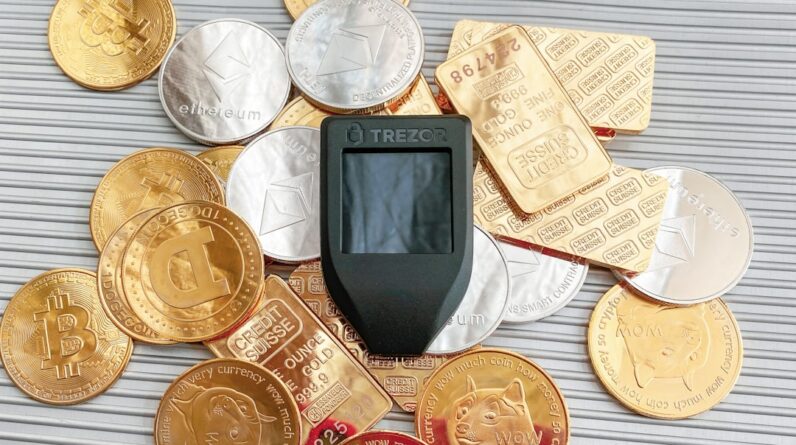
Cold Wallets: Offline storage options that provide enhanced security (e.g., hardware wallets like Ledger or Trezor).
Why Security Should Be a Priority
Given the rise of hacking incidents and theft in the crypto space, ensuring your investments are secure is paramount. Always prioritize using reputable exchanges, enabling two-factor authentication, and opting for secure wallets to protect your assets.

Monitoring Your Investment
After making your initial investment, actively monitoring your portfolio is crucial. The crypto market is fast-paced, and conditions can change rapidly.
Setting Alerts
Utilizing alert systems can help keep you informed about market fluctuations. Platforms like Blockfolio and CoinMarketCap offer mobile apps where you can set alerts for price changes and market news.
Regularly Reassessing Your Strategy
As market conditions shift, consider reassessing your investment strategy. This reassessment might include adjusting your investment amounts, switching up your portfolio, or deciding to take profits or cut losses on certain assets.
Joining the Community
Being part of the cryptocurrency community can provide valuable insights and support. Participating in forums, joining social media groups, and engaging with other investors can help you stay informed and excited about your investment journey.
Navigating Information Sources
While many resources exist for cryptocurrency information, it’s essential to vet your sources. Look for reputable news sites, follow credible analysts, and often check multiple sources before making decisions based purely on market sentiment.
Conclusion
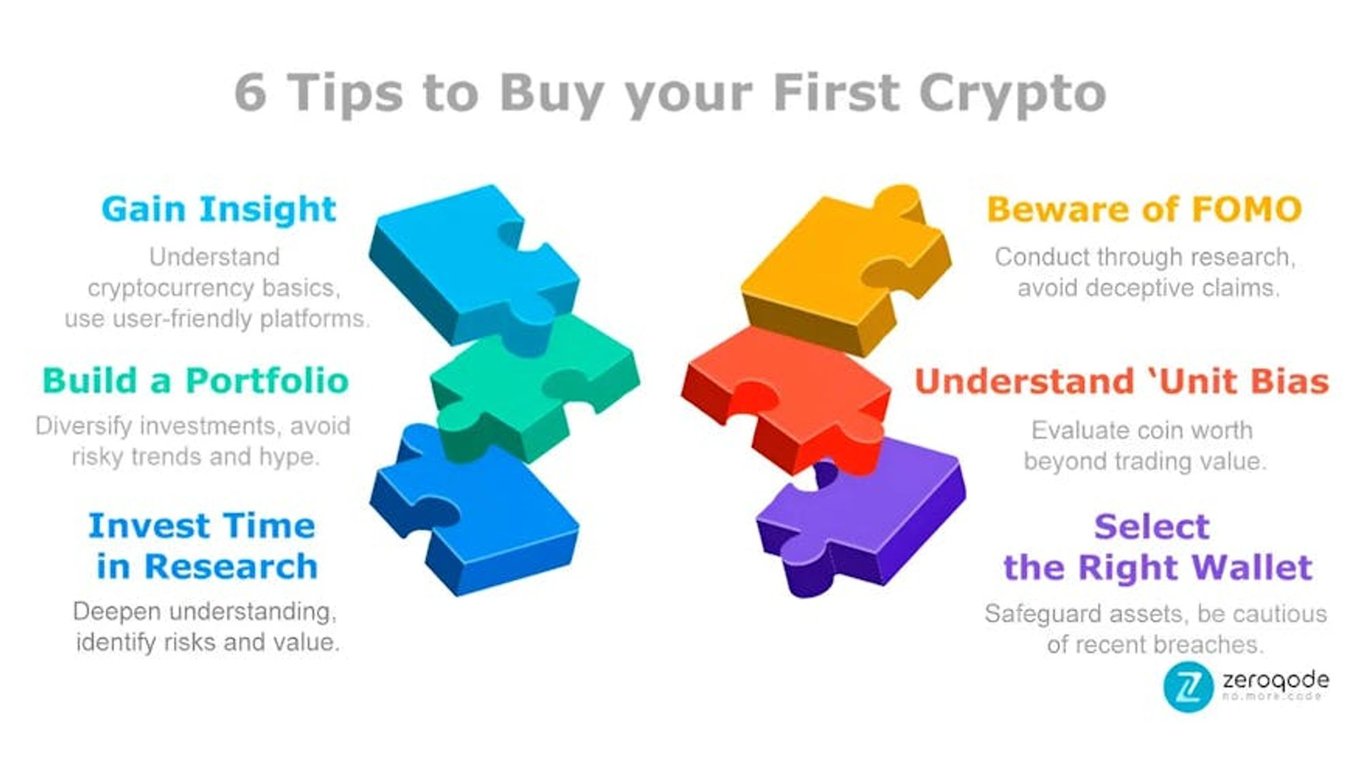
Thinking about how much to invest in cryptocurrency can feel daunting, but arming yourself with knowledge and taking a step-by-step approach can make the process much simpler. Remember that investing is not just about the numbers; it’s about understanding your financial goals, market trends, and your own comfort with risk.
Investing in cryptocurrency can be a rewarding journey if you approach it with caution and a well-thought-out plan. Don’t rush your decisions, start small, and focus on building a strategy that suits your unique financial situation. Whether you are seeking long-term growth or short-term gains, being informed and making thoughtful choices will set you on the path to achieving your investment ambitions.