When you embark on your cryptocurrency journey, one of the first decisions you face is selecting the right wallet. Cryptocurrency wallets come in various forms, each designed to cater to different needs and preferences. The primary types include hardware wallets, software wallets, and paper wallets.
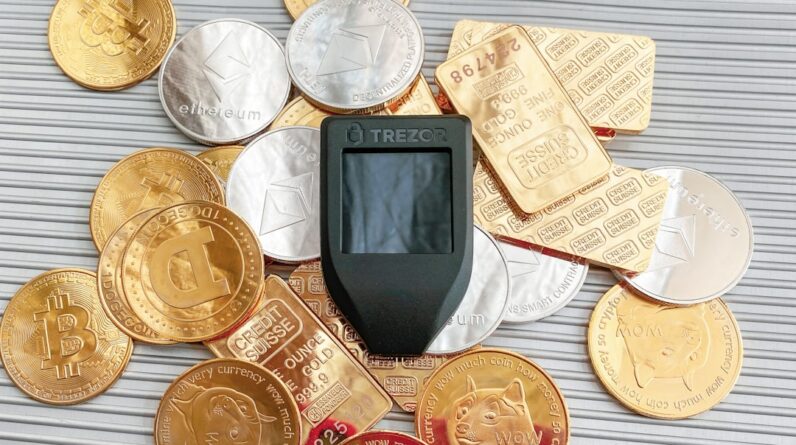
Hardware wallets are physical devices that store your private keys offline, providing a high level of security against online threats. They are ideal for long-term investors who prioritize security over convenience. On the other hand, software wallets, which can be further divided into desktop, mobile, and web wallets, offer a more accessible way to manage your digital assets.
These wallets are user-friendly and allow for quick transactions, making them suitable for active traders. Paper wallets, while less common today, are another option worth considering. They involve printing your private keys and public addresses on a piece of paper, which you then store securely.
This method is highly secure against online attacks but comes with its own risks, such as physical damage or loss. Understanding these different types of wallets is crucial as it helps you align your choice with your investment strategy and risk tolerance. Whether you prioritize security, convenience, or a balance of both will ultimately guide your decision in selecting the most suitable wallet for your cryptocurrency holdings.
Key Takeaways
- There are different types of cryptocurrency wallets, including hardware, software, and paper wallets, each with its own unique features and security levels.
- When choosing a cryptocurrency wallet, it’s important to look for security features such as two-factor authentication, encryption, and backup options to protect your digital assets.
- User-friendliness and accessibility are important factors to consider when selecting a cryptocurrency wallet, as they can impact the ease of use and convenience of managing your funds.
- It’s crucial to examine the supported cryptocurrencies of a wallet to ensure it is compatible with the digital assets you want to store and manage.
- Evaluating the customer support and reputation of the wallet provider is essential for ensuring reliable assistance and trustworthiness in case of any issues or concerns.
Security Features to Look for in a Cryptocurrency Wallet
As you delve deeper into the world of cryptocurrencies, the importance of security cannot be overstated. When choosing a wallet, you should prioritize features that enhance the safety of your digital assets. One of the most critical aspects to consider is whether the wallet supports two-factor authentication (2FA).
This additional layer of security requires you to provide two forms of identification before accessing your wallet, significantly reducing the risk of unauthorized access. Additionally, look for wallets that offer multi-signature functionality, which requires multiple private keys to authorize a transaction. This feature is particularly beneficial for those managing large amounts of cryptocurrency or for businesses that need to ensure multiple approvals before any funds are moved.
Another essential security feature to consider is the wallet’s backup and recovery options. A reputable wallet should provide you with a recovery seed phrase—a series of words that can be used to restore your wallet in case of loss or theft. Ensure that the wallet allows you to back up your data securely and offers clear instructions on how to do so.
Furthermore, consider whether the wallet has a history of security breaches or vulnerabilities. Researching user reviews and expert opinions can provide valuable insights into the wallet’s reliability and trustworthiness. By focusing on these security features, you can significantly mitigate the risks associated with storing cryptocurrencies.
Considering User-Friendliness and Accessibility

User-friendliness is another critical factor when selecting a cryptocurrency wallet. As a newcomer to the crypto space or even as an experienced trader, you want a wallet that is intuitive and easy to navigate. A well-designed interface can make a significant difference in your overall experience.
Look for wallets that offer clear instructions and tutorials, especially if you’re not tech-savvy. The last thing you want is to feel overwhelmed by complex features or confusing layouts when managing your investments. Accessibility is equally important; you should be able to access your wallet from various devices without hassle.
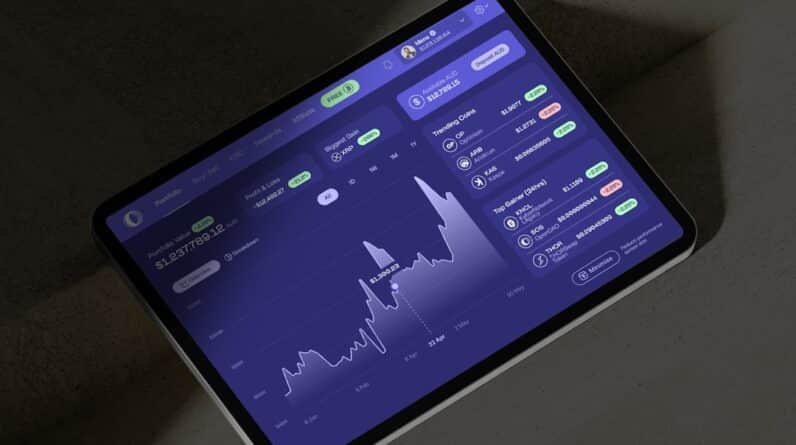
Many software wallets offer mobile applications that allow you to manage your assets on the go, which is particularly useful for active traders who need to make quick decisions. Additionally, consider whether the wallet provides a web-based interface for those times when you prefer using a desktop computer. A wallet that seamlessly integrates across multiple platforms ensures that you can access your funds whenever and wherever you need them.
Examining the Supported Cryptocurrencies
As you explore different cryptocurrency wallets, it’s essential to examine the range of supported cryptocurrencies each wallet offers. Not all wallets are created equal; some may only support major currencies like Bitcoin and Ethereum, while others may accommodate a broader array of altcoins and tokens. If you plan to diversify your portfolio by investing in various cryptocurrencies, choosing a wallet that supports multiple assets will save you time and effort in managing different wallets for each currency.
Additionally, consider whether the wallet allows for easy swapping or trading between different cryptocurrencies. Some wallets come equipped with built-in exchange features that enable you to convert one cryptocurrency into another without leaving the platform. This functionality can be particularly advantageous if you’re looking to capitalize on market fluctuations quickly.
By examining the supported cryptocurrencies and additional features related to trading, you can ensure that your chosen wallet aligns with your investment strategy.
Evaluating Customer Support and Reputation of the Wallet Provider
Customer support is an often-overlooked aspect when selecting a cryptocurrency wallet but can be crucial in times of need. You want to choose a wallet provider known for its responsive and helpful customer service team. Look for wallets that offer multiple channels for support, such as live chat, email, or phone support.
Additionally, check if they have an extensive knowledge base or FAQ section on their website that can assist you in troubleshooting common issues independently. The reputation of the wallet provider also plays a significant role in your decision-making process. Research user reviews and testimonials to gauge the experiences of others who have used the wallet.
A provider with a solid track record of reliability and positive feedback is more likely to offer a secure and trustworthy service. Furthermore, consider whether the provider has been involved in any controversies or security breaches in the past. By evaluating customer support options and the overall reputation of the wallet provider, you can make a more informed choice that prioritizes both reliability and user satisfaction.
Assessing the Cost and Fees Associated with the Wallet

When selecting a cryptocurrency wallet, it’s essential to assess any costs or fees associated with its use. While many software wallets are free to download and use, some may charge transaction fees or withdrawal fees when moving funds out of the wallet. Understanding these costs upfront can help you avoid unexpected expenses down the line.
For instance, if you’re an active trader who frequently moves funds in and out of your wallet, high transaction fees could eat into your profits. In addition to transaction fees, consider whether there are any hidden costs related to currency conversion or exchange services if the wallet offers these features. Some wallets may charge higher fees for converting one cryptocurrency into another compared to using an external exchange platform.
By carefully evaluating all potential costs associated with a wallet, you can choose one that aligns with your budget and trading habits.
Compatibility with Devices and Operating Systems
Compatibility is another crucial factor when selecting a cryptocurrency wallet. You want to ensure that the wallet you choose works seamlessly with your preferred devices and operating systems. Many software wallets are available for both desktop and mobile platforms; however, not all wallets support every operating system.
For instance, if you’re using an iOS device, you’ll want to confirm that the wallet has an app available in the Apple App Store. Additionally, consider whether the wallet offers browser extensions or web-based access for added convenience. This flexibility allows you to manage your assets from various devices without being tied down to one specific platform.
If you’re someone who frequently switches between devices or prefers using different operating systems for various tasks, choosing a compatible wallet will enhance your overall experience and accessibility.
Researching and Comparing Different Wallet Options
Finally, conducting thorough research and comparison of different wallet options is vital before making your final decision. Start by compiling a list of wallets that meet your criteria based on security features, user-friendliness, supported cryptocurrencies, customer support reputation, costs, compatibility, and accessibility. Once you have this list, take the time to read reviews from other users and experts in the field.
You may also want to join online forums or communities where cryptocurrency enthusiasts share their experiences with various wallets. Engaging with others can provide valuable insights that may not be readily available through official sources. By taking a comprehensive approach to research and comparison, you’ll be better equipped to choose a cryptocurrency wallet that meets your needs while ensuring the safety and accessibility of your digital assets.
In conclusion, selecting the right cryptocurrency wallet involves careful consideration of various factors ranging from security features to user-friendliness and compatibility with devices. By understanding these elements and conducting thorough research on different options available in the market, you can make an informed decision that aligns with your investment strategy and enhances your overall experience in managing cryptocurrencies.
FAQs
What is a cryptocurrency wallet?
A cryptocurrency wallet is a digital tool that allows users to store, send, and receive various types of cryptocurrencies. It does not actually store the cryptocurrency itself, but rather the keys needed to access and manage the cryptocurrency on the blockchain.
What are the different types of cryptocurrency wallets?
There are several types of cryptocurrency wallets, including hardware wallets, software wallets (desktop, mobile, and online), and paper wallets. Each type has its own unique features and security considerations.
How do I choose the right cryptocurrency wallet?
When choosing a cryptocurrency wallet, it’s important to consider factors such as security, convenience, and the specific cryptocurrencies you plan to store. Hardware wallets are generally considered the most secure option, while online wallets offer convenience but may be more susceptible to hacking.
What security features should I look for in a cryptocurrency wallet?
Security features to look for in a cryptocurrency wallet include two-factor authentication, multi-signature support, backup and recovery options, and encryption. It’s also important to choose a wallet from a reputable provider with a track record of security.
Can I use the same wallet for multiple cryptocurrencies?
Some wallets support multiple cryptocurrencies, while others are designed for specific coins. It’s important to choose a wallet that is compatible with the specific cryptocurrencies you plan to store.
What are the costs associated with cryptocurrency wallets?
The costs associated with cryptocurrency wallets vary depending on the type of wallet and the provider. Hardware wallets typically have an upfront cost for the physical device, while software wallets may be free or have associated transaction fees.