In the rapidly evolving world of cryptocurrency, the importance of secure storage solutions cannot be overstated. As you delve into the realm of digital assets, you may find yourself grappling with the question of how to safeguard your investments. With the rise of cyber threats and the increasing sophistication of hackers, understanding the various storage options available is crucial for anyone looking to protect their cryptocurrency holdings.
This article aims to provide you with a comprehensive overview of crypto storage solutions, helping you make informed decisions about how to keep your digital assets safe. As you navigate through this landscape, it’s essential to recognize that not all storage methods are created equal. Each solution comes with its own set of advantages and disadvantages, tailored to different needs and levels of security.
Whether you are a casual investor or a seasoned trader, knowing the ins and outs of these storage options will empower you to choose the best method for your unique situation. By the end of this article, you will have a clearer understanding of how to effectively store your cryptocurrencies and protect your investments from potential threats.
Key Takeaways
- Introduction to Crypto Storage Solutions:
- Crypto storage solutions are used to securely store private keys and access digital assets in the cryptocurrency space.
- Types of Crypto Storage Solutions:
- There are various types of crypto storage solutions, including hardware wallets, paper wallets, hot wallets, and cold storage solutions.
- How Hardware Wallets Work:
- Hardware wallets store private keys offline and are considered one of the most secure ways to store cryptocurrencies.
- How Paper Wallets Work:
- Paper wallets involve printing out the public and private keys on a piece of paper and are kept offline for security.
- How Hot Wallets Work:
- Hot wallets are connected to the internet and are convenient for frequent trading, but are more susceptible to hacking.
- How Cold Storage Solutions Work:
- Cold storage solutions keep private keys offline, making them less vulnerable to hacking and theft.
- Security Measures in Crypto Storage Solutions:
- Security measures in crypto storage solutions include encryption, multi-signature authentication, and backup options to protect against loss.
- Choosing the Right Crypto Storage Solution for You:
- When choosing a crypto storage solution, consider factors such as security, convenience, and frequency of trading to find the best fit for your needs.
Types of Crypto Storage Solutions
When it comes to storing cryptocurrencies, you have several options at your disposal. Broadly speaking, these can be categorized into two main types: hot wallets and cold wallets. Hot wallets are connected to the internet and are typically more convenient for everyday transactions.
They allow you to access your funds quickly, making them ideal for active traders who need to buy or sell on short notice. However, this convenience comes at a cost; being online makes hot wallets more vulnerable to hacking and other cyber threats. On the other hand, cold wallets are offline storage solutions that provide a higher level of security.
These include hardware wallets and paper wallets, which are designed to keep your private keys away from potential online threats. While cold storage may not be as convenient for frequent transactions, it offers peace of mind for long-term investors who prioritize security over immediate access. Understanding these two categories will help you determine which type of storage solution aligns best with your investment strategy and risk tolerance.
How Hardware Wallets Work
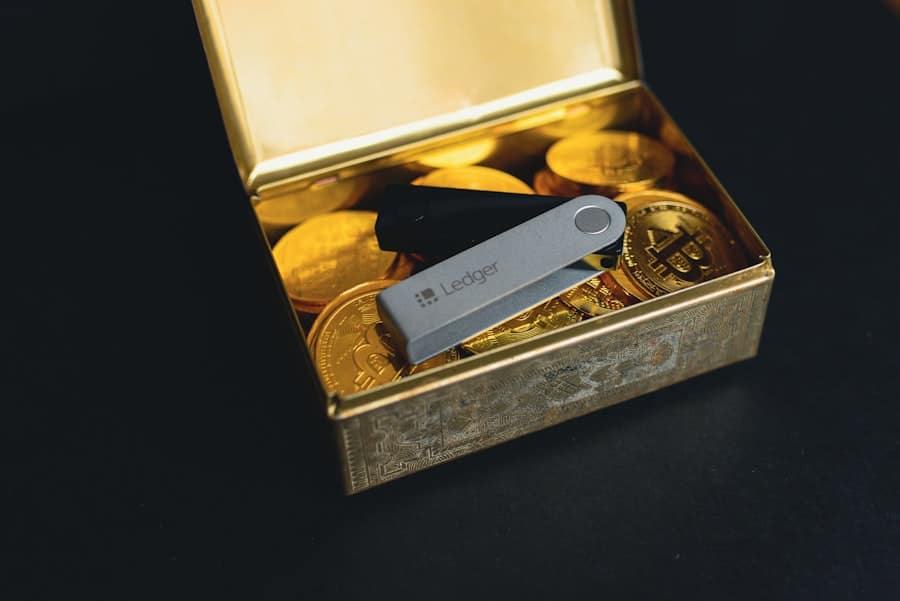
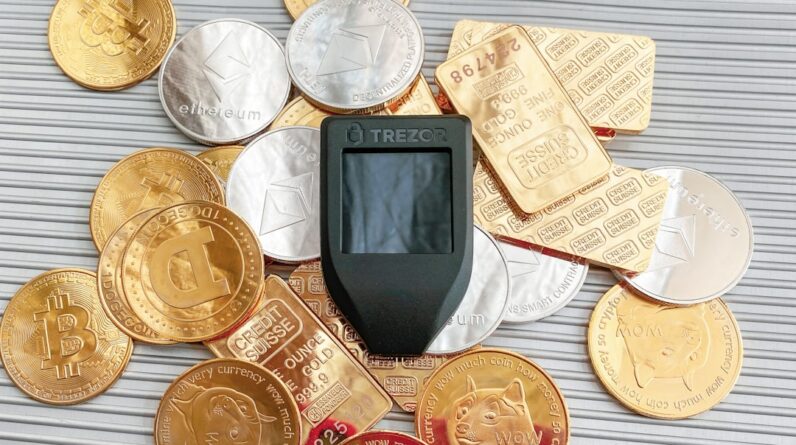
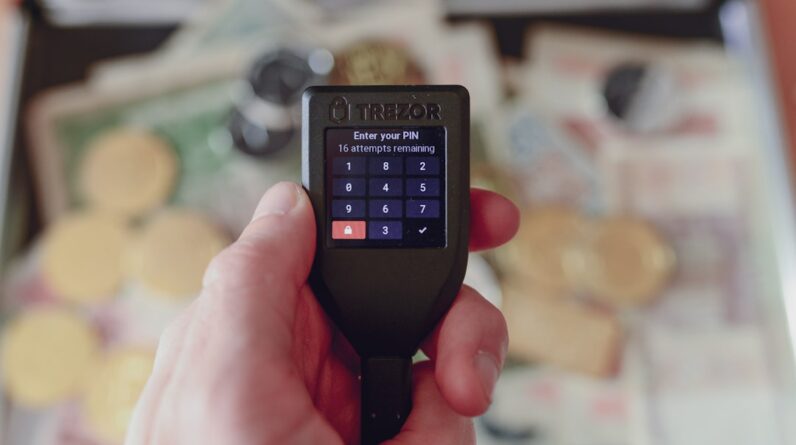
Hardware wallets are one of the most secure methods for storing cryptocurrencies. These physical devices resemble USB drives and are designed specifically for the purpose of securely storing your private keys offline. When you use a hardware wallet, your private keys never leave the device, which significantly reduces the risk of them being compromised by malware or hacking attempts.
To access your funds, you connect the hardware wallet to a computer or mobile device, where you can manage your cryptocurrencies through a user-friendly interface. The process of using a hardware wallet is straightforward. Once you set up the device and create a secure PIN, you can transfer your cryptocurrencies from an exchange or another wallet directly onto the hardware wallet.
The wallet generates a unique address for each transaction, ensuring that your funds remain secure. Additionally, many hardware wallets come with built-in recovery options, allowing you to restore your wallet in case it is lost or damaged. This combination of security features makes hardware wallets an excellent choice for anyone serious about protecting their digital assets.
How Paper Wallets Work
Paper wallets represent another form of cold storage that offers a unique approach to securing your cryptocurrencies. Essentially, a paper wallet is a physical document that contains your public and private keys printed in QR code format. This method allows you to store your keys offline, completely removing them from any online vulnerabilities.
To create a paper wallet, you typically use a trusted generator tool that ensures the keys are generated in a secure environment. Once you have created your paper wallet, it’s crucial to store it in a safe place, as anyone who gains access to it can control your funds. Unlike hardware wallets, paper wallets do not have any electronic components, which means they are immune to hacking attempts but can be easily lost or damaged if not handled carefully.
When you want to access your funds stored on a paper wallet, you will need to import the private key into a software wallet or exchange. This process requires caution, as exposing your private key online can lead to theft if not done securely.
How Hot Wallets Work
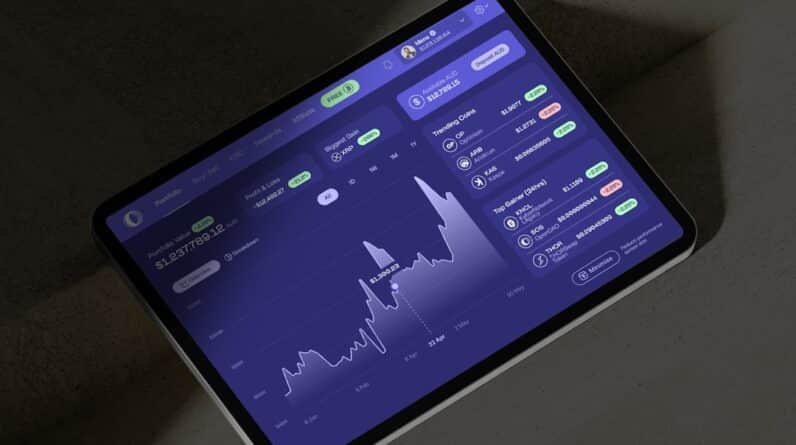
Hot wallets are designed for convenience and ease of use, making them popular among traders and those who frequently engage in cryptocurrency transactions. These wallets are connected to the internet and allow for quick access to your funds, enabling you to send and receive cryptocurrencies with minimal delay. Hot wallets come in various forms, including web-based wallets, mobile apps, and desktop applications.
Each type offers different features and levels of security. While hot wallets provide an excellent user experience for day-to-day transactions, they also come with inherent risks due to their online nature. Because they are constantly connected to the internet, hot wallets are more susceptible to hacking attempts and phishing scams.
To mitigate these risks, it’s essential to choose reputable wallet providers that implement strong security measures, such as two-factor authentication and encryption protocols. By understanding how hot wallets work and their associated risks, you can make informed decisions about when and how to use them.
How Cold Storage Solutions Work

Cold storage solutions are designed specifically for long-term cryptocurrency storage, providing enhanced security by keeping your private keys offline. This method is particularly appealing for investors who wish to hold their assets without the constant worry of cyber threats. Cold storage can take various forms, including hardware wallets, paper wallets, and even physical devices like USB drives that are kept disconnected from the internet.
The primary advantage of cold storage is its ability to protect your assets from online attacks. Since cold storage solutions do not rely on internet connectivity, they are immune to hacking attempts that target online wallets. However, this added security comes with trade-offs; accessing your funds may take more time and effort compared to hot wallets.
For instance, if you need to sell or trade your cryptocurrencies stored in cold storage, you’ll first have to connect the device or import the keys into an online wallet. Understanding how cold storage works will help you determine if it aligns with your investment strategy.
Security Measures in Crypto Storage Solutions
Regardless of which crypto storage solution you choose, implementing robust security measures is paramount in safeguarding your digital assets. For hot wallets, this often includes enabling two-factor authentication (2FA), using strong passwords, and regularly updating software to protect against vulnerabilities. Additionally, being cautious about phishing attempts and only accessing your wallet from secure devices can further enhance your security posture.
For cold storage solutions like hardware and paper wallets, physical security becomes crucial. You should store hardware wallets in secure locations and consider using fireproof safes or safety deposit boxes for paper wallets. Furthermore, creating backup copies of your recovery phrases or seed phrases is essential in case your primary storage method is lost or damaged.
By taking these proactive steps and understanding the security measures associated with each type of storage solution, you can significantly reduce the risk of losing your cryptocurrency investments.
Choosing the Right Crypto Storage Solution for You
Selecting the right crypto storage solution ultimately depends on your individual needs and investment goals. If you are an active trader who frequently buys and sells cryptocurrencies, a hot wallet may be more suitable due to its convenience and ease of access. However, if you are a long-term investor looking to hold onto your assets without constant exposure to online threats, cold storage options like hardware or paper wallets may be more appropriate.
Consider factors such as how often you plan to access your funds, your level of technical expertise, and your overall risk tolerance when making this decision. It’s also worth noting that many investors choose a combination of both hot and cold storage solutions to balance convenience with security. By carefully evaluating your options and understanding the strengths and weaknesses of each type of storage solution, you can make informed choices that align with your cryptocurrency investment strategy.
In conclusion, navigating the world of crypto storage solutions requires careful consideration and understanding of various options available to you. By familiarizing yourself with hot wallets, cold storage methods like hardware and paper wallets, and implementing robust security measures, you can effectively protect your digital assets from potential threats while optimizing accessibility based on your investment needs.
FAQs
What are crypto storage solutions?
Crypto storage solutions are tools or methods used to securely store and manage cryptocurrencies, such as Bitcoin, Ethereum, and other digital assets. These solutions are designed to protect the private keys that are used to access and manage the cryptocurrencies.
How do crypto storage solutions work?
Crypto storage solutions work by securely storing the private keys that are used to access and manage cryptocurrencies. These solutions can take the form of hardware wallets, software wallets, paper wallets, and custodial services. Each type of storage solution has its own security features and trade-offs.
What are the different types of crypto storage solutions?
There are several types of crypto storage solutions, including hardware wallets, software wallets, paper wallets, and custodial services. Hardware wallets are physical devices that store private keys offline, while software wallets are digital applications that can be installed on a computer or mobile device. Paper wallets involve printing out the private keys and storing them in a physical form, while custodial services are third-party providers that manage the private keys on behalf of the user.
What are the security considerations for crypto storage solutions?
Security is a critical consideration for crypto storage solutions. Hardware wallets are generally considered to be the most secure option, as they store private keys offline and are not susceptible to hacking. Software wallets and custodial services may be more convenient, but they are also more vulnerable to cyber attacks. Paper wallets can be secure if generated and stored properly, but they are also susceptible to physical damage and loss.
How should I choose a crypto storage solution?
When choosing a crypto storage solution, it’s important to consider factors such as security, convenience, and ease of use. Hardware wallets are often recommended for long-term storage of large amounts of cryptocurrency, while software wallets and custodial services may be more suitable for frequent trading or smaller amounts. It’s also important to research and choose reputable providers with a track record of security and reliability.