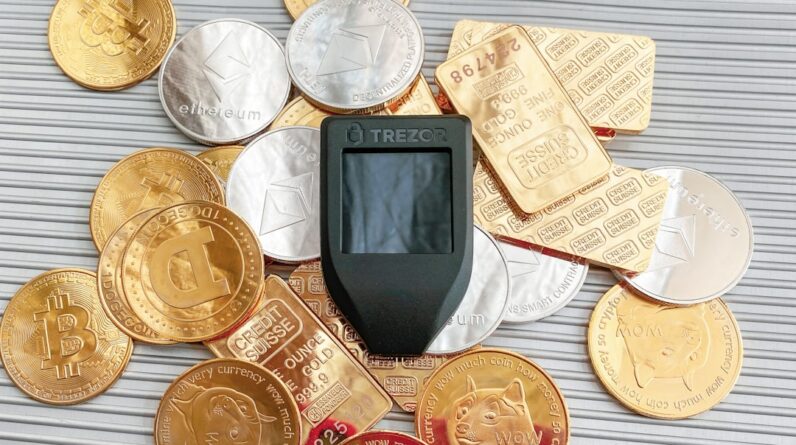
In the ever-evolving landscape of cryptocurrency, privacy coins have emerged as a significant player, capturing the attention of both investors and users alike. These digital currencies prioritize user anonymity and transaction confidentiality, setting themselves apart from traditional cryptocurrencies like Bitcoin and Ethereum, which, despite their decentralized nature, often leave a trail of transaction data that can be traced back to individuals. As you delve into the world of privacy coins, you will discover how they aim to provide a more secure and private means of conducting transactions in an increasingly surveilled digital environment.
The concept of privacy coins is rooted in the fundamental principles of cryptocurrency: decentralization, security, and user empowerment. However, privacy coins take these principles a step further by incorporating advanced cryptographic techniques that obscure transaction details. This allows users to transact without fear of their financial activities being monitored or analyzed.
As you explore this niche within the broader cryptocurrency market, you will find that privacy coins are not just a response to the demand for anonymity; they also represent a philosophical stance on personal freedom and financial sovereignty in the digital age.
Key Takeaways
- Privacy coins are a type of cryptocurrency designed to provide enhanced privacy and anonymity for users.
- Current challenges in crypto privacy include the potential for transaction tracing and the risk of privacy breaches.
- The rise of privacy coins has been driven by increasing concerns about privacy and the desire for more secure transactions.
- Innovations in privacy technology, such as zero-knowledge proofs and ring signatures, have improved the privacy features of privacy coins.
- Regulatory concerns surrounding privacy coins include potential use in illegal activities and the need for compliance with anti-money laundering laws.
Current Challenges in Crypto Privacy
Regulatory Scrutiny: A Threat to Privacy Coins
Governments around the world are becoming more vigilant in their efforts to combat money laundering, tax evasion, and other illicit activities associated with cryptocurrencies. As a result, many privacy coins face potential bans or restrictions that could hinder their growth and usability. While these regulations aim to protect consumers and maintain financial integrity, they also pose a significant threat to the very essence of what privacy coins stand for.
The Technological Arms Race
Another challenge lies in the technological arms race between privacy coin developers and those seeking to de-anonymize transactions. While privacy coins employ sophisticated techniques such as ring signatures, stealth addresses, and zero-knowledge proofs to enhance anonymity, researchers and law enforcement agencies are continuously developing methods to trace transactions back to their origins.
The Long-term Viability of Privacy Coins
This ongoing battle raises questions about the long-term viability of privacy coins and whether they can maintain their promise of anonymity in the face of evolving technologies. As you navigate this complex landscape, it becomes clear that the future of privacy coins is uncertain, and their ability to provide true anonymity is under constant threat.
The Rise of Privacy Coins

In recent years, there has been a notable surge in the popularity of privacy coins, driven by a growing awareness of the importance of financial privacy. As you observe this trend, you will see that cryptocurrencies like Monero, Zcash, and Dash have gained traction among users who prioritize anonymity in their transactions. This rise can be attributed to several factors, including increasing concerns over data privacy, government surveillance, and the desire for financial independence.
You may find it fascinating how these coins have carved out a niche for themselves in a market that often emphasizes transparency. The appeal of privacy coins extends beyond mere anonymity; they also offer users a sense of empowerment in an age where personal data is frequently exploited by corporations and governments alike. As you explore various communities surrounding these coins, you will encounter passionate advocates who believe that financial privacy is a fundamental human right.
This belief has fueled grassroots movements and discussions about the ethical implications of surveillance capitalism, further solidifying the position of privacy coins as essential tools for those seeking to reclaim control over their financial lives.
Innovations in Privacy Technology
As the demand for privacy coins continues to grow, so too does the innovation within this sector. Developers are constantly working on new technologies and methodologies to enhance the privacy features of these digital currencies. For instance, advancements in zero-knowledge proofs have allowed for transactions that can be verified without revealing any sensitive information about the sender or receiver.
This groundbreaking technology not only bolsters user anonymity but also paves the way for more complex applications within decentralized finance (DeFi) and smart contracts. You may also find it intriguing how some privacy coins are exploring hybrid models that combine elements of both public and private transactions. By allowing users to choose between transparent and opaque transaction methods, these coins cater to a broader audience while still maintaining their core principles of privacy.
This flexibility could be key in attracting mainstream users who may be hesitant to fully embrace anonymity but still value some level of privacy in their financial dealings.
Regulatory Concerns and Privacy Coins
The regulatory landscape surrounding cryptocurrencies is constantly shifting, and privacy coins are often at the center of this debate. As governments grapple with how to regulate digital currencies effectively, many are particularly concerned about the potential for misuse associated with anonymous transactions. You might find it alarming that some jurisdictions have already moved to ban or restrict the use of privacy coins altogether, citing concerns over money laundering and terrorist financing.
This regulatory pushback poses significant challenges for developers and users alike. However, it is essential to recognize that not all regulatory approaches are inherently negative. Some governments are exploring ways to create frameworks that allow for the responsible use of privacy coins while still addressing legitimate concerns about illicit activities.
As you follow these developments, you may come to appreciate the delicate balance regulators must strike between fostering innovation and ensuring public safety. The outcome of this ongoing dialogue will undoubtedly shape the future landscape of privacy coins and their role within the broader cryptocurrency ecosystem.
The Future of Privacy Coins in Mainstream Adoption

As you look ahead to the future of privacy coins, it becomes clear that their path toward mainstream adoption is fraught with both opportunities and challenges. On one hand, there is a growing recognition among consumers about the importance of financial privacy, which could drive demand for these digital currencies. As more individuals become aware of how their data is collected and used by various entities, you may see an increasing number of people turning to privacy coins as a means of safeguarding their financial information.
On the other hand, achieving widespread acceptance will require overcoming significant hurdles, particularly in terms of regulatory compliance and public perception. You might find it interesting that education plays a crucial role in this process; as more people understand how privacy coins work and their potential benefits, they may become more open to using them. Additionally, partnerships with established financial institutions could help legitimize privacy coins in the eyes of skeptics and facilitate their integration into everyday transactions.
Potential Risks and Security Issues
While privacy coins offer numerous advantages, they are not without risks and security concerns that you should consider. One significant issue is the potential for misuse by malicious actors who may exploit anonymity features for illegal activities such as drug trafficking or fraud. This association with criminal behavior can tarnish the reputation of privacy coins and deter potential users who may fear legal repercussions or negative public perception.
Moreover, as with any technology, there are inherent security risks associated with using privacy coins. You may encounter concerns about wallet security, potential vulnerabilities in underlying protocols, or even risks related to centralized exchanges that handle these assets. It is crucial for users to remain vigilant and informed about best practices for securing their investments while navigating this complex landscape.
The Role of Privacy Coins in the Future of Cryptocurrency
In conclusion, privacy coins represent a vital aspect of the cryptocurrency ecosystem that addresses fundamental concerns about financial privacy and user autonomy. As you reflect on their journey thus far, it becomes evident that these digital currencies have carved out a unique niche within an industry often characterized by transparency and traceability. While challenges remain—ranging from regulatory scrutiny to technological advancements—the potential for privacy coins to reshape our understanding of digital finance is undeniable.
As we move forward into an increasingly digital future, the role of privacy coins will likely continue to evolve alongside societal attitudes toward data privacy and government oversight. You may find it encouraging that as awareness grows about the importance of protecting personal information in financial transactions, so too does the potential for privacy coins to gain acceptance among mainstream users. Ultimately, whether they become a staple in everyday transactions or remain a niche asset class will depend on how effectively they can navigate the complex interplay between innovation, regulation, and public perception in the years to come.
FAQs
What are privacy coins?
Privacy coins are a type of cryptocurrency that are designed to offer enhanced privacy and anonymity for users. They use various technologies such as ring signatures, stealth addresses, and zero-knowledge proofs to obfuscate transaction details and protect user privacy.
What are some examples of privacy coins?
Some examples of privacy coins include Monero (XMR), Zcash (ZEC), Dash (DASH), and Verge (XVG). These coins are known for their focus on privacy features and are popular choices for users who prioritize anonymity in their cryptocurrency transactions.
What are the benefits of privacy coins?
Privacy coins offer several benefits, including enhanced privacy and anonymity for users, protection against surveillance and tracking, and the ability to conduct confidential transactions. These features make privacy coins attractive to individuals and businesses who value privacy in their financial transactions.
What are the challenges facing privacy coins?
Privacy coins have faced regulatory scrutiny due to concerns about their potential use in illegal activities such as money laundering and tax evasion. Some exchanges and financial institutions have delisted privacy coins or imposed restrictions on their use, which has raised concerns about their long-term viability.
What is the future of privacy coins?
The future of privacy coins is uncertain, as they continue to face regulatory challenges and scrutiny. However, advancements in privacy technology and increased demand for privacy-focused financial tools may drive further development and adoption of privacy coins in the future. It remains to be seen how privacy coins will evolve in response to regulatory pressures and market demand.