In the digital age, the reliance on technology for storing valuable information has never been greater. However, with this convenience comes a significant risk: hardware failures can lead to catastrophic data loss. Imagine waking up one day to find that your computer or external hard drive has malfunctioned, rendering your important files inaccessible.
This scenario is not just a nightmare; it is a reality that many individuals face. The risks associated with hardware failures are compounded when it comes to sensitive data, such as cryptocurrency wallets, private keys, and seed phrases. Understanding these risks is the first step in safeguarding your digital assets.
Hardware failures can occur for a multitude of reasons, including physical damage, power surges, or even manufacturing defects. When these failures happen, the consequences can be dire. You may lose access to your cryptocurrency holdings, which could represent a significant portion of your wealth.
Additionally, data loss can occur without warning, leaving you unprepared and vulnerable. It is crucial to recognize that while technology offers convenience, it also introduces vulnerabilities that can jeopardize your financial security. By acknowledging these risks, you can take proactive measures to protect your assets and ensure that you are not left in a precarious situation.
Key Takeaways
- Hardware failures can lead to data loss and potential loss of cryptocurrency
- Back up private keys and seed phrases to prevent permanent loss of access to funds
- Hardware wallets provide added security for storing cryptocurrency
- Implement multi-signature wallets for redundancy and added security
- Storing cryptocurrency in offline cold storage can protect it from online threats
- Regularly update and maintain hardware devices to ensure optimal security
- Use secure and reliable storage solutions to protect cryptocurrency assets
- Seek professional assistance for advanced security measures to further safeguard funds
Backing Up Your Private Keys and Seed Phrases
One of the most critical steps you can take to protect your cryptocurrency investments is to back up your private keys and seed phrases. These elements are the keys to your digital wallet; without them, you may lose access to your funds permanently. Backing them up is not just a good practice; it is an essential part of managing your cryptocurrency securely.
You should consider creating multiple copies of your backups and storing them in different locations to mitigate the risk of loss due to theft, fire, or other disasters. When backing up your private keys and seed phrases, it is vital to use secure methods. Writing them down on paper and storing them in a safe place is one option, but you should also consider using encrypted digital storage solutions.
This dual approach ensures that even if one method fails or is compromised, you still have access to your critical information. Remember that the security of your cryptocurrency holdings hinges on the safety of these backups; therefore, take the time to implement a robust backup strategy that suits your needs.
Utilizing Hardware Wallets for Added Security

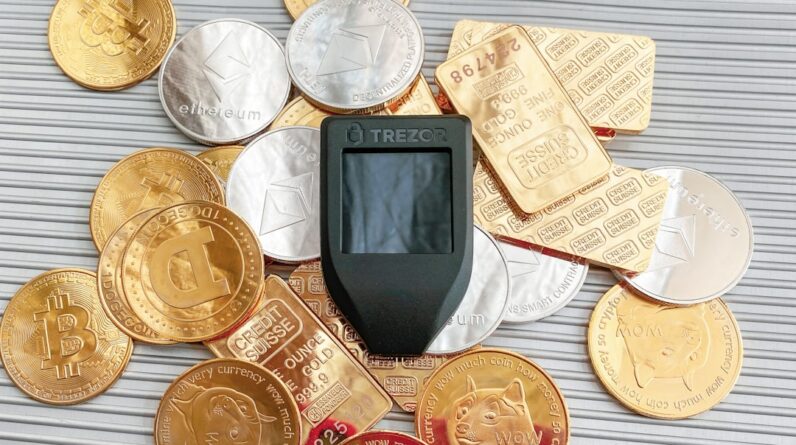
In the realm of cryptocurrency storage, hardware wallets have emerged as one of the most secure options available. These devices are designed specifically for storing private keys offline, making them less susceptible to hacking and malware attacks. By utilizing a hardware wallet, you can significantly reduce the risk of unauthorized access to your funds.
The peace of mind that comes from knowing your private keys are stored securely cannot be overstated. When choosing a hardware wallet, it is essential to select a reputable brand with a proven track record in security. Look for wallets that offer features such as two-factor authentication and recovery options in case of loss or damage.
Additionally, familiarize yourself with the wallet’s user interface and functionality to ensure that you can manage your assets effectively. By investing in a reliable hardware wallet, you are taking a significant step toward securing your cryptocurrency investments against potential threats.
Implementing Multi-Signature Wallets for Redundancy
Multi-signature wallets offer an additional layer of security by requiring multiple signatures before any transaction can be executed. This feature is particularly beneficial for individuals or organizations managing substantial amounts of cryptocurrency. By implementing a multi-signature wallet, you can ensure that no single individual has complete control over the funds, thereby reducing the risk of theft or mismanagement.
Setting up a multi-signature wallet involves designating several trusted individuals who will each hold a key. For example, you might require three out of five signatures to authorize a transaction. This arrangement not only enhances security but also fosters accountability among those involved in managing the wallet.
In the event that one key is compromised or lost, the remaining keys still provide access to the funds. By adopting this approach, you create a robust system that safeguards your assets while allowing for collaborative management.
Storing Cryptocurrency in Offline Cold Storage
Cold storage refers to keeping your cryptocurrency assets completely offline, away from any internet-connected devices. This method is widely regarded as one of the safest ways to store digital currencies because it eliminates the risk of online hacking attempts. By transferring your assets to cold storage, you can protect them from malware and phishing attacks that target online wallets.
There are various methods for implementing cold storage, including using hardware wallets or even paper wallets generated offline. When creating a paper wallet, ensure that you generate it on a secure device that has never been connected to the internet. Once created, print it out and store it in a safe place, such as a safe deposit box or a personal safe at home.
While cold storage may require more effort to set up and manage compared to online wallets, the added security it provides makes it an invaluable option for anyone serious about protecting their cryptocurrency investments.
Regularly Updating and Maintaining Hardware Devices

Just as you would maintain any other valuable asset, it is crucial to regularly update and maintain your hardware devices used for cryptocurrency storage. This includes not only hardware wallets but also any computers or smartphones used in conjunction with them. Keeping your devices updated ensures that you benefit from the latest security patches and features designed to protect against emerging threats.
Regular maintenance also involves checking for signs of wear and tear on your hardware devices. If you notice any unusual behavior or performance issues, it may be time to replace or repair the device before it fails completely. Additionally, consider periodically reviewing your backup strategies and security measures to ensure they remain effective as technology evolves.
By staying proactive about maintenance and updates, you can significantly reduce the risk of hardware failures leading to data loss.
Using Secure and Reliable Storage Solutions
In today’s digital landscape, choosing secure and reliable storage solutions is paramount for protecting your cryptocurrency assets. With numerous options available, it is essential to conduct thorough research before selecting a storage method that aligns with your security needs and preferences. Look for solutions that prioritize encryption and offer robust security features such as biometric authentication or two-factor authentication.
Cloud storage can be convenient but may not always provide the level of security required for sensitive information like private keys and seed phrases. If you opt for cloud solutions, ensure they are reputable and have strong encryption protocols in place. Alternatively, consider using dedicated hardware wallets or offline storage methods that provide enhanced security without relying on internet connectivity.
Ultimately, the goal is to find a storage solution that balances convenience with robust security measures.
Seeking Professional Assistance for Advanced Security Measures
As cryptocurrency continues to gain popularity, so do the complexities surrounding its security. If you find yourself overwhelmed by the various options and strategies available for protecting your digital assets, seeking professional assistance may be a wise decision. Security experts can provide tailored advice based on your specific needs and help you implement advanced security measures that go beyond basic practices.
Professional assistance can also be invaluable when it comes to setting up multi-signature wallets or cold storage solutions. These experts have experience navigating potential pitfalls and can guide you through the process with ease. Additionally, they can help you stay informed about emerging threats and best practices in cryptocurrency security, ensuring that you remain one step ahead of potential risks.
By investing in professional guidance, you can enhance your overall security posture and gain confidence in managing your cryptocurrency investments effectively. In conclusion, protecting your cryptocurrency assets requires a multifaceted approach that encompasses understanding risks, implementing robust backup strategies, utilizing secure storage solutions, and seeking professional assistance when necessary. By taking these proactive steps, you can safeguard your investments against hardware failures and data loss while ensuring peace of mind in an increasingly digital world.
FAQs
What are some common hardware failures that can lead to data loss for cryptocurrency holders?
Some common hardware failures that can lead to data loss for cryptocurrency holders include hard drive failures, SSD failures, and hardware malfunctions in cryptocurrency wallets or mining rigs.
How can I protect my cryptocurrency holdings from hardware failures?
To protect your cryptocurrency holdings from hardware failures, you can regularly back up your wallet and private keys to an external storage device, use hardware wallets to store your cryptocurrency offline, and consider using redundant storage solutions such as RAID configurations.
What are some best practices for protecting cryptocurrency holdings from data loss?
Some best practices for protecting cryptocurrency holdings from data loss include using strong and unique passwords for your wallets and accounts, enabling two-factor authentication, and regularly updating and maintaining your hardware and software to prevent potential failures.
What should I do if I experience a hardware failure that leads to potential data loss for my cryptocurrency holdings?
If you experience a hardware failure that leads to potential data loss for your cryptocurrency holdings, you should immediately stop using the affected hardware to prevent further damage, seek professional assistance from data recovery experts, and consider using your backup to restore your cryptocurrency holdings.