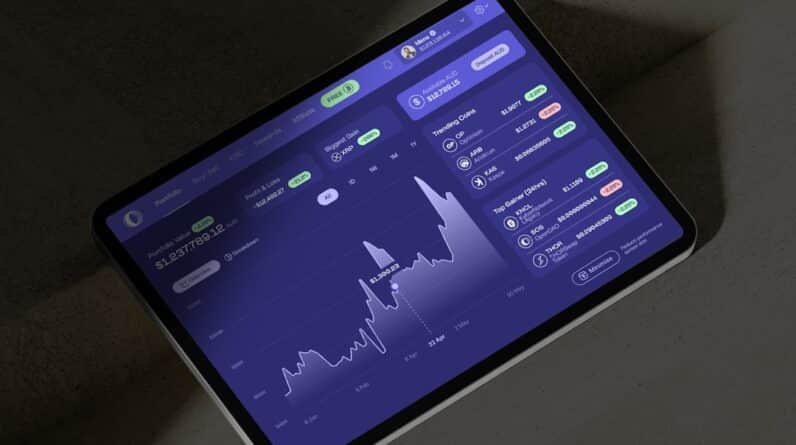
As you delve into the world of finance, you may have encountered the term “cryptocurrency.” This digital form of currency has revolutionized the way people think about money and transactions. Unlike traditional currencies issued by governments, cryptocurrencies operate on decentralized networks based on blockchain technology. This means that transactions are recorded on a public ledger, ensuring transparency and security.
The allure of cryptocurrencies lies in their potential for high returns, anonymity, and the ability to bypass traditional banking systems. As you explore this fascinating landscape, you will discover both the opportunities and challenges that come with investing in digital currencies. Cryptocurrencies have gained immense popularity since the inception of Bitcoin in 2009.
Today, thousands of different cryptocurrencies exist, each with unique features and purposes. You might find yourself drawn to the idea of investing in these digital assets, whether for speculative purposes or as a means of diversifying your portfolio. However, it is crucial to understand that the cryptocurrency market is not just a playground for investors; it is also fraught with risks and uncertainties.
As you navigate this complex environment, being informed about the various challenges will empower you to make better decisions regarding your investments.
Key Takeaways
- Cryptocurrency is a digital or virtual form of currency that uses cryptography for security and operates independently of a central bank.
- Volatility and price fluctuations are common in the cryptocurrency market, leading to potential high returns but also high risks for investors.
- Security risks and hacking are major concerns in the cryptocurrency space, with numerous incidents of theft and fraud.
- Regulatory and legal risks exist as governments around the world grapple with how to regulate and tax cryptocurrencies.
- Market manipulation is a significant risk in the cryptocurrency market, with the potential for large players to influence prices.
Volatility and Price Fluctuations
One of the most striking characteristics of cryptocurrencies is their extreme volatility. If you have been following the market, you may have noticed that prices can skyrocket or plummet within a matter of hours or even minutes. This volatility can be both exhilarating and terrifying, especially for those who are new to investing.
The rapid price fluctuations can create opportunities for significant gains, but they also pose substantial risks. As you consider entering this market, it is essential to be prepared for the emotional rollercoaster that comes with trading cryptocurrencies. The reasons behind this volatility are multifaceted.
Market sentiment plays a significant role; news events, regulatory announcements, and technological advancements can all influence investor behavior. Additionally, the relatively low market capitalization of many cryptocurrencies means that even small trades can lead to significant price changes. As you engage with this market, it is vital to develop a strategy that accounts for these fluctuations.
Whether you choose to adopt a long-term investment approach or engage in day trading, understanding the nature of volatility will help you navigate the ups and downs of cryptocurrency prices.
Security Risks and Hacking

As you explore the world of cryptocurrency, one of the most pressing concerns is security. The decentralized nature of cryptocurrencies means that they are not backed by any central authority, which can make them more susceptible to hacking and fraud. High-profile hacks have made headlines over the years, resulting in millions of dollars lost and countless investors left vulnerable.
If you decide to invest in cryptocurrencies, it is crucial to prioritize security measures to protect your assets. To safeguard your investments, consider using hardware wallets or secure software wallets that offer enhanced protection against unauthorized access. Additionally, enabling two-factor authentication on your accounts can provide an extra layer of security.
As you navigate exchanges and trading platforms, be cautious about sharing personal information and always verify the legitimacy of the services you use. By taking proactive steps to secure your investments, you can mitigate some of the risks associated with hacking and cyber threats.
Regulatory and Legal Risks
The regulatory landscape surrounding cryptocurrencies is constantly evolving, which can create uncertainty for investors like yourself. Governments around the world are grappling with how to regulate digital currencies, leading to a patchwork of laws and guidelines that vary from one jurisdiction to another. As you consider investing in cryptocurrencies, it is essential to stay informed about the legal implications in your country and any potential changes that may arise.
Regulatory risks can manifest in various ways, from outright bans on cryptocurrency trading to increased scrutiny on exchanges and Initial Coin Offerings (ICOs). These regulations can impact market sentiment and influence price movements. For instance, news of a government crackdown on cryptocurrency trading can lead to panic selling among investors.
To navigate this complex landscape, it is advisable to keep abreast of regulatory developments and consider how they may affect your investment strategy.
Market Manipulation
Market manipulation is another significant concern in the cryptocurrency space that you should be aware of as an investor. Due to the relatively low liquidity in many cryptocurrency markets compared to traditional financial markets, they can be more susceptible to manipulation tactics. Unscrupulous actors may engage in practices such as pump-and-dump schemes or wash trading to artificially inflate prices or create misleading trading volumes.
As you participate in this market, it is essential to remain vigilant and skeptical of sudden price movements or trends that seem too good to be true. Conduct thorough research before making investment decisions and be cautious about following hype or social media trends without proper analysis. By developing a critical mindset and understanding the potential for manipulation, you can better protect yourself from falling victim to deceptive practices.
Lack of Consumer Protection

When investing in cryptocurrencies, one significant drawback is the lack of consumer protection compared to traditional financial systems. In conventional banking or investment environments, regulatory bodies provide oversight and recourse for consumers in case of fraud or disputes. However, in the world of cryptocurrencies, these protections are often absent or limited.
If you encounter issues such as fraud or theft while dealing with cryptocurrencies, recourse may be challenging or impossible. Many exchanges do not offer insurance for lost funds due to hacking or other security breaches. As an investor, it is crucial to understand this lack of protection and take proactive measures to safeguard your assets.
This includes conducting thorough research on exchanges before using them and being cautious about how much capital you allocate to cryptocurrencies.
Exchange Risks
The choice of exchange can significantly impact your cryptocurrency trading experience and overall investment success. As you explore different platforms for buying and selling digital currencies, it is essential to consider factors such as security measures, fees, user experience, and reputation. Not all exchanges are created equal; some have faced significant security breaches or have been accused of fraudulent practices.
When selecting an exchange, prioritize those with a strong track record of security and transparency. Look for platforms that implement robust security protocols, such as cold storage for funds and regular audits. Additionally, familiarize yourself with the fee structure associated with trading on different exchanges; high fees can eat into your profits over time.
By carefully evaluating your options and choosing a reputable exchange, you can minimize risks associated with trading cryptocurrencies.
Technological Risks and Vulnerabilities
Finally, as you immerse yourself in the world of cryptocurrency, it is essential to recognize the technological risks inherent in this rapidly evolving space. Blockchain technology is still relatively new, and while it offers numerous advantages such as decentralization and transparency, it is not without its vulnerabilities. Bugs in smart contracts or flaws in blockchain protocols can lead to significant issues that may affect your investments.
Moreover, as technology advances, so do the tactics employed by cybercriminals seeking to exploit weaknesses in cryptocurrency systems. Staying informed about technological developments and potential vulnerabilities will help you make more informed decisions regarding your investments. Engaging with reputable sources of information and participating in community discussions can enhance your understanding of these risks and empower you to navigate the complexities of cryptocurrency more effectively.
In conclusion, while cryptocurrency presents exciting opportunities for investment and innovation, it also comes with a myriad of risks that require careful consideration. By understanding volatility, security concerns, regulatory challenges, market manipulation tactics, consumer protection issues, exchange risks, and technological vulnerabilities, you can better equip yourself for success in this dynamic landscape. As you embark on your cryptocurrency journey, remember that knowledge is power; staying informed will enable you to make sound decisions and navigate this ever-changing market with confidence.
FAQs
What are the financial risks in cryptocurrency?
Cryptocurrency investments are subject to market volatility, regulatory changes, and security risks, which can lead to financial losses.
How does market volatility affect cryptocurrency investments?
Cryptocurrency prices can fluctuate significantly within a short period of time, leading to potential financial losses for investors.
What are the regulatory risks associated with cryptocurrency investments?
Regulatory changes and government interventions in the cryptocurrency market can impact the value and legality of certain cryptocurrencies, posing financial risks to investors.
What security risks are involved in cryptocurrency investments?
Cryptocurrency exchanges and wallets are vulnerable to hacking and theft, which can result in financial losses for investors.
How can investors mitigate financial risks in cryptocurrency?
Investors can mitigate financial risks in cryptocurrency by diversifying their investment portfolio, conducting thorough research, and implementing strong security measures for their cryptocurrency holdings.