Are you contemplating whether to invest in cryptocurrencies and wondering if they are a good choice for your financial portfolio? There’s no denying that the world of digital currencies can be both exciting and intimidating. With ever-changing values, the promise of innovation, and a slew of technological jargon, it’s easy to feel overwhelmed. Let’s break down the complexities and explore what makes cryptocurrencies tick, their potential as investments, and what you should consider before hopping on this rollercoaster of financial possibilities.
Understanding Cryptocurrencies
What Are Cryptocurrencies?
At their core, cryptocurrencies are digital or virtual currencies that utilize cryptography for security. Unlike traditional currencies issued by governments, cryptocurrencies are decentralized, operating on technology known as blockchain. This means transactions happen directly between users without the need for intermediaries like banks.
How Do They Work?
When you make a transaction with cryptocurrency, it’s recorded on a blockchain—a public ledger that ensures transparency and security. Each block in this chain contains a list of transactions, and once a block is full, it’s added to the chain. The decentralized nature of this technology means no single entity has control over the currency, adding a level of resilience and trust that traditional financial systems struggle to match.
The Popularity Surge
In recent years, cryptocurrencies have surged in popularity, propelled by the allure of potential high returns and the increasing adoption of blockchain technology. From Bitcoin, the first cryptocurrency launched in 2009, to thousands of altcoins that have emerged since, the market has exploded. So, what’s driving this interest? Well, it’s a blend of speculation, technology, and a quest for financial independence.
The Investment Landscape
Volatility: The Double-Edged Sword
One of the factors that make cryptocurrencies enticing yet risky is their notorious volatility. Prices can experience wild swings, sometimes in the span of hours. For instance, Bitcoin reached an all-time high of nearly $65,000 in April 2021, only to crash down to about $30,000 months later. While this volatility presents opportunities for significant profits, it also poses substantial risks.
Table 1: Bitcoin Price Fluctuations
| Date | Price (USD) | Change (%) |
|---|---|---|
| April 2021 | 64,863 | +1,265% |
| July 2021 | 32,000 | -50% |
| November 2021 | 69,000 | +20% |
| March 2022 | 47,000 | -32% |
Market Sentiment and Speculation
Investment decisions in the cryptocurrency market often hinge on market sentiment and speculation rather than traditional financial analysis. This market is heavily influenced by news events, social media trends, and even celebrity endorsements. Understanding the sentiment can be as critical as analyzing the metrics.
Regulation: A Double-Edged Sword
As cryptocurrencies grow in prominence, the regulatory landscape surrounding them is also evolving. Different countries have varying stances on cryptocurrencies, leading to an unpredictable environment. While regulatory measures can lend legitimacy to the market, they can also introduce uncertainty. You may want to keep an eye on how regulations shape the market dynamics.

Types of Cryptocurrencies
Bitcoin: The Pioneer
Bitcoin is the first and most recognizable cryptocurrency. Developed by an anonymous entity known as Satoshi Nakamoto, Bitcoin paved the way for the plethora of digital currencies available today. It focuses on being a digital currency and a store of value, much like gold.
Altcoins: Beyond Bitcoin
After Bitcoin, numerous alternative coins—often termed “altcoins”—have gained traction. Here are a few you might encounter:
-
Ethereum (ETH): More than just a currency, Ethereum allows developers to create decentralized applications (dApps) through smart contracts.
-
Litecoin (LTC): Often touted as the silver to Bitcoin’s gold, Litecoin aims to speed up transaction times while retaining many of Bitcoin’s features.
-
Ripple (XRP): This cryptocurrency facilitates cross-border payments and aims to provide faster, more economical alternatives to traditional banking.
Stablecoins: A Safe Haven
For those wary of volatility, stablecoins might be an attractive option. These are cryptocurrencies pegged to a stable asset, like the US dollar, aiming to minimize price fluctuations. Tether (USDT) and USD Coin (USDC) are examples that aim to provide stability while allowing users to benefit from the crypto ecosystem.
The Pros and Cons of Investing in Cryptocurrencies
Potential for High Returns
One of the main arguments for investing in cryptocurrencies is their potential for high returns. Early investors in Bitcoin and Ethereum have seen enormous gains, which has inspired many to look at cryptocurrencies as a viable investment option. However, potential rewards come hand-in-hand with acting promptly and making informed decisions.
Diversification Benefits
Adding cryptocurrencies to your investment portfolio might provide benefits of diversification. Cryptocurrencies often do not correlate with traditional assets, like stocks or bonds. As a result, they can potentially mitigate risks when conventional markets are sluggish.
Risks to Consider
While the potential rewards are compelling, it’s essential to weigh them against the risks:
-
Market Fluctuations: The volatility inherent in the cryptocurrency market means that prices can drop just as swiftly as they rise.
-
Security Risks: Despite blockchain’s security features, scams, hacks, and fraud are prevalent in the crypto space. Remaining vigilant and using reputable exchanges can help mitigate these risks.
-
Lack of Regulation: The evolving regulatory landscape can lead to uncertainty. Regulatory actions could significantly impact the value and usability of certain cryptocurrencies.
The Need for Research
Before investing, understanding the technology and the team behind each cryptocurrency can make a significant difference. Due diligence is vital, ensuring you make informed decisions based on your risk appetite and financial goals.

Investing Strategies
Dollar-Cost Averaging
If the volatility of cryptocurrency investments makes you anxious, dollar-cost averaging might be a great strategy for you. This involves regularly investing a fixed amount of money into a cryptocurrency regardless of its price. It allows you to buy more shares when prices are low and fewer when they are high, potentially lowering your average purchase price over time.
Buy and Hold
Another common strategy is buy and hold, commonly referred to as “HODLing.” This philosophy entails purchasing cryptocurrencies and holding them for the long term, betting on the future growth of the market. Patience can be your ally here since the market’s ups and downs are part of its nature.
Trading: The High Risk and Reward Game
If you have experience in the stock market or other trading platforms, you might consider short-term trading. This involves buying and selling cryptocurrencies based on market trends to capitalize on price movements. However, be prepared: trading requires not only substantial knowledge but also nerves of steel, as significant losses can happen in the blink of an eye.
Tools and Platforms
Cryptocurrency Exchanges
To buy, sell, and trade cryptocurrencies, you’ll need to use a cryptocurrency exchange. Some popular platforms include:
-
Coinbase: A user-friendly platform, perfect for beginners. It also supports various cryptocurrencies.
-
Binance: Known for its wide range of currencies and advanced trading features, it is suitable for more experienced traders.
-
Kraken: Offers robust security features and a variety of cryptocurrencies to trade.
Wallets: Keeping Your Investments Safe
Once you’ve purchased cryptocurrencies, storing them securely is essential. You’ll typically use a cryptocurrency wallet, which comes in different types:
-
Hot Wallets: These are connected to the internet, making them convenient for trading. However, they are more susceptible to hacks.
-
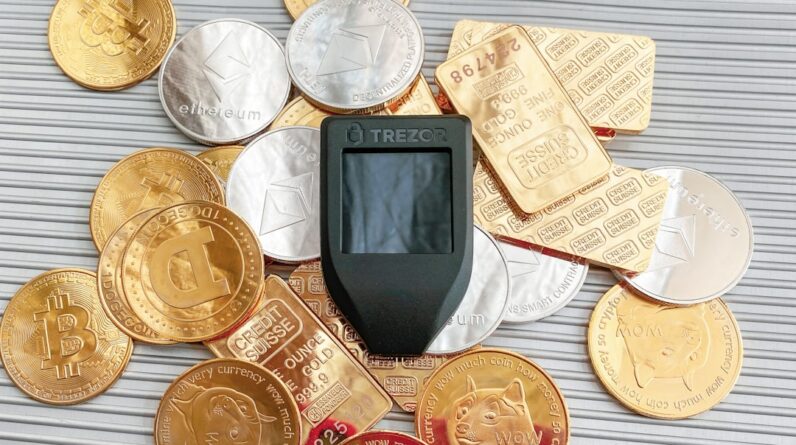
Cold Wallets: Not connected to the internet, these wallets (hardware or paper) provide higher security and are ideal for long-term holding.

The Future of Cryptocurrencies
Continuous Evolution
The cryptocurrency landscape is continuously evolving, with technological advancements and use cases emerging regularly. With innovations like decentralized finance (DeFi) and non-fungible tokens (NFTs) gaining traction, cryptocurrencies are slowly becoming more embedded in everyday life.
Institutional Interest
You may have noticed the growing interest from institutional investors in recent years. Companies like Tesla and Square have begun investing in Bitcoin, signaling a shift in perspective from viewing it as a speculative asset to recognizing its potential as a critical component of financial diversification.
The Role of Central Bank Digital Currencies (CBDCs)
Governments worldwide are studying or experimenting with Central Bank Digital Currencies (CBDCs). These digital currencies are state-controlled and could potentially coexist with traditional cryptocurrencies. Keeping an eye on this development might give you insight into future trends.
Conclusion: Is It Right for You?
So, are cryptocurrencies a good investment for you? The answer lies in your financial goals, risk tolerance, and willingness to stay informed. While they undeniably present opportunities, they also entail risks that shouldn’t be overlooked.
If you’re ready to break new ground in your investment journey, consider starting small, conducting thorough research, and staying updated on changes in this dynamic landscape. As you navigate these waters, remember: it’s not just about potential profits but understanding what you’re investing in and maintaining a level of caution commensurate with the risks involved.
In this fast-paced world, taking the time to learn and engage can lead to rewarding outcomes, whether in cryptocurrencies or any other investment. With thoughtful consideration and a solid strategy, you might find that cryptocurrencies could add an exciting dimension to your investment portfolio.