In recent years, you may have noticed a significant shift in the financial landscape, largely driven by the emergence of cryptocurrency. Initially introduced with Bitcoin in 2009, this digital currency has sparked a revolution that has captured the attention of investors, technologists, and everyday consumers alike. The allure of cryptocurrencies lies in their decentralized nature, which allows for peer-to-peer transactions without the need for intermediaries like banks.
This independence from traditional financial institutions has not only democratized access to financial services but has also created a new realm of investment opportunities. As you delve deeper into the world of cryptocurrency, you will find that its rise is not merely a passing trend but a fundamental change in how value is perceived and exchanged. The rapid appreciation of various cryptocurrencies has led to a surge in interest from both retail and institutional investors.
You might be intrigued to learn that major corporations and financial institutions are now exploring ways to integrate cryptocurrencies into their operations, further legitimizing this digital asset class. The rise of cryptocurrency is not just about financial gain; it represents a broader movement towards financial sovereignty and innovation.
Key Takeaways
- Cryptocurrency has seen a significant rise in popularity and adoption in recent years, with more people investing and using digital currencies for transactions.
- Blockchain technology has revolutionized digital ownership by providing a secure and transparent way to track and transfer assets, leading to increased trust and efficiency in digital transactions.
- NFTs (Non-Fungible Tokens) have emerged as a game-changer in the digital asset space, allowing for unique and irreplaceable digital items to be bought, sold, and owned securely on the blockchain.
- Decentralized Finance (DeFi) is transforming ownership by enabling individuals to access financial services and products without the need for traditional intermediaries, providing greater financial inclusion and control.
- Smart contracts are paving the way for the future of transactions by automating and enforcing the terms of agreements, reducing the need for intermediaries and streamlining processes.
Blockchain Technology and Digital Ownership
At the heart of cryptocurrency lies blockchain technology, a revolutionary system that enables secure and transparent transactions. When you think about ownership in the digital age, blockchain offers a new paradigm. Unlike traditional ownership models that rely on centralized authorities to verify transactions, blockchain operates on a decentralized network where every participant has access to the same information.
This transparency fosters trust among users, as you can independently verify the authenticity of transactions without relying on a third party. As you explore the implications of blockchain technology, consider how it transforms digital ownership. In a world where digital assets can be easily replicated, blockchain provides a way to establish provenance and authenticity.
For instance, when you purchase a digital artwork or a collectible, blockchain records your ownership on an immutable ledger, ensuring that your asset is unique and verifiable. This shift not only empowers creators by allowing them to retain control over their work but also gives you, as a consumer, confidence in the value of your digital possessions.
NFTs: Revolutionizing Digital Assets

Non-fungible tokens (NFTs) have emerged as one of the most exciting applications of blockchain technology, revolutionizing the way you think about digital assets. Unlike cryptocurrencies such as Bitcoin or Ethereum, which are fungible and can be exchanged for one another, NFTs are unique digital tokens that represent ownership of specific items or content. This uniqueness has opened up new avenues for artists, musicians, and content creators to monetize their work in ways that were previously unimaginable.
As you navigate the NFT landscape, you may find yourself captivated by the diverse range of applications these tokens offer. From digital art and music to virtual real estate and gaming assets, NFTs have created a marketplace where ownership is not just about possession but also about community and engagement. When you purchase an NFT, you are not merely acquiring a digital file; you are becoming part of a larger ecosystem that values creativity and innovation.
This shift in ownership dynamics allows you to support artists directly while also participating in a growing market that challenges traditional notions of value.
Decentralized Finance (DeFi) and Ownership
Decentralized Finance (DeFi) represents another groundbreaking development in the cryptocurrency space that redefines ownership and financial services. By leveraging blockchain technology, DeFi platforms enable you to engage in financial activities such as lending, borrowing, and trading without relying on traditional banks or intermediaries. This democratization of finance empowers you to take control of your assets and make decisions that align with your financial goals.
As you explore DeFi, you’ll discover a plethora of opportunities to earn passive income through yield farming or liquidity provision. These innovative mechanisms allow you to put your cryptocurrency to work while maintaining ownership over your assets. The transparency and security offered by DeFi platforms also mean that you can track your investments in real-time, giving you greater insight into your financial health.
However, it’s essential to approach DeFi with caution, as the rapid growth of this sector also brings risks that require careful consideration.
Smart Contracts and the Future of Transactions
Smart contracts are another pivotal innovation within the cryptocurrency ecosystem that has the potential to reshape how transactions are conducted. These self-executing contracts are programmed to automatically enforce the terms of an agreement when specific conditions are met. As you familiarize yourself with smart contracts, you’ll realize their ability to eliminate the need for intermediaries in various transactions, streamlining processes across industries.
Imagine a scenario where you want to purchase a property. With smart contracts, the entire transaction could be executed seamlessly on the blockchain without the need for lawyers or real estate agents. This not only reduces costs but also enhances security and efficiency.
As smart contracts continue to evolve, they could revolutionize everything from supply chain management to insurance claims processing. The future of transactions is likely to be characterized by increased automation and reduced friction, allowing you to engage in business with greater confidence.
Challenges and Opportunities in Crypto Ownership

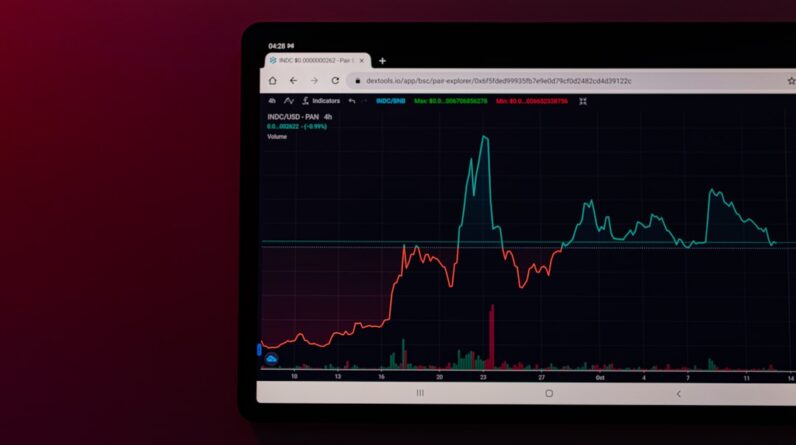
While the rise of cryptocurrency presents numerous opportunities for ownership and investment, it is essential to acknowledge the challenges that accompany this new landscape. One significant concern is the volatility associated with cryptocurrencies. As an investor or user, you may experience dramatic price fluctuations that can impact your financial decisions.
This volatility can be both an opportunity for profit and a source of anxiety as you navigate the unpredictable nature of digital assets. Additionally, security remains a critical issue in the world of cryptocurrency ownership. As you engage with various platforms and wallets, it is crucial to prioritize security measures to protect your assets from potential hacks or scams.
Educating yourself about best practices for safeguarding your investments will empower you to navigate this space with greater confidence. Despite these challenges, the potential for innovation and growth within the cryptocurrency ecosystem continues to attract individuals seeking new avenues for wealth creation.
Regulatory Landscape and the Future of Crypto Ownership
As cryptocurrency gains traction globally, regulatory frameworks are beginning to take shape around it. Governments and regulatory bodies are grappling with how to approach this rapidly evolving landscape while balancing innovation with consumer protection. As you follow developments in this area, you’ll notice that regulations can vary significantly from one jurisdiction to another, impacting how you engage with cryptocurrencies.
The future of crypto ownership will likely be influenced by these regulatory changes. On one hand, clear regulations can provide legitimacy and stability to the market, encouraging more individuals and institutions to participate. On the other hand, overly restrictive regulations could stifle innovation and limit access to these transformative technologies.
As an informed participant in this space, staying abreast of regulatory developments will be crucial for navigating your investments and understanding your rights as a crypto owner.
The Potential Impact of Crypto on Traditional Ownership Models
The rise of cryptocurrency and blockchain technology has far-reaching implications for traditional ownership models across various sectors. As you consider the potential impact on industries such as real estate, art, and finance, it becomes evident that these innovations challenge long-standing norms about ownership and value transfer. For instance, tokenizing real estate properties could enable fractional ownership, allowing more individuals to invest in high-value assets that were previously out of reach.
Moreover, as digital assets become more mainstream, traditional businesses may need to adapt their models to accommodate changing consumer preferences. You might find yourself increasingly drawn to companies that embrace blockchain technology or offer crypto payment options as part of their services. This shift could lead to a more inclusive economy where ownership is accessible to a broader audience than ever before.
In conclusion, as you navigate the evolving landscape of cryptocurrency and digital ownership, it is essential to remain informed about the opportunities and challenges that lie ahead. The rise of cryptocurrency represents not just a financial revolution but a fundamental shift in how we perceive ownership in the digital age. By understanding these dynamics and actively engaging with this transformative technology, you position yourself at the forefront of a new era in finance and asset management.
FAQs
What is cryptocurrency?
Cryptocurrency is a digital or virtual form of currency that uses cryptography for security and operates independently of a central bank. It is decentralized and typically uses a technology called blockchain to record transactions.
What is digital ownership?
Digital ownership refers to the concept of owning digital assets, such as cryptocurrencies, digital art, or virtual real estate, in a secure and verifiable manner. It allows individuals to have control and rights over their digital assets.
How does cryptocurrency impact digital ownership?
Cryptocurrency has the potential to revolutionize digital ownership by providing a secure and decentralized way to transfer and verify ownership of digital assets. It enables individuals to have true ownership and control over their digital assets without relying on intermediaries.
What are the benefits of using cryptocurrency for digital ownership?
Using cryptocurrency for digital ownership offers benefits such as increased security, reduced reliance on intermediaries, lower transaction costs, and the ability to transfer ownership across borders without restrictions.
What are some challenges of using cryptocurrency for digital ownership?
Challenges of using cryptocurrency for digital ownership include regulatory uncertainty, potential for fraud and theft, scalability issues, and the need for widespread adoption and understanding of cryptocurrency technology.
How is blockchain technology related to digital ownership?
Blockchain technology is the underlying technology behind many cryptocurrencies and is used to record and verify transactions in a secure and transparent manner. It plays a crucial role in enabling digital ownership by providing a tamper-proof and decentralized ledger for recording ownership of digital assets.