As you delve into the world of cryptocurrency, it’s essential to grasp the fundamental concepts that underpin its use in cross-border transactions. Cryptocurrency operates on decentralized networks, primarily utilizing blockchain technology, which allows for secure and transparent transactions without the need for intermediaries like banks. This decentralization is particularly advantageous for cross-border transactions, as it can significantly reduce transaction times and costs compared to traditional banking methods.
You’ll find that cryptocurrencies can be sent and received globally, making them an attractive option for individuals and businesses looking to engage in international trade or remittances. Moreover, the volatility of cryptocurrencies can be both a boon and a bane. While the potential for high returns exists, the fluctuating values can also pose risks.
Understanding how these digital currencies work, including their supply mechanisms and market dynamics, will empower you to make informed decisions. Familiarizing yourself with terms like “blockchain,” “mining,” and “wallets” will provide you with a solid foundation as you navigate the complexities of using crypto for cross-border transactions. By grasping these basics, you’ll be better equipped to leverage the advantages of cryptocurrency while mitigating potential pitfalls.
Key Takeaways
- Cryptocurrency offers a decentralized and efficient way to conduct cross-border transactions, bypassing traditional banking systems and their associated fees and delays.
- When choosing the right cryptocurrency for cross-border transactions, consider factors such as transaction speed, security, and acceptance by the recipient.
- Setting up a cryptocurrency wallet is essential for storing and managing your digital assets for cross-border transactions, and it’s important to choose a secure and user-friendly wallet.
- Finding reliable exchanges is crucial for converting your cryptocurrency into fiat currency or other digital assets, so research and choose exchanges with a good reputation and strong security measures.
- Managing risks and implementing security measures, such as using two-factor authentication and keeping your private keys secure, is essential for protecting your cryptocurrency assets during cross-border transactions.
- Understanding transaction fees and exchange rates is important for calculating the cost of cross-border transactions and ensuring that you get the best value for your cryptocurrency.
- Completing a cross-border transaction with cryptocurrency involves initiating the transfer from your wallet, confirming the recipient’s wallet address, and waiting for the transaction to be validated on the blockchain.
- Staying informed about the latest developments and adapting to changes in the crypto market is crucial for making informed decisions and maximizing the benefits of using cryptocurrency for cross-border transactions.
Choosing the Right Cryptocurrency for Cross-border Transactions
When it comes to selecting the right cryptocurrency for your cross-border transactions, you have a plethora of options at your disposal. Bitcoin, being the first and most widely recognized cryptocurrency, often comes to mind. However, its high transaction fees and slower processing times can be a drawback for international transfers.
You might consider alternatives like Ethereum or Ripple, which are designed to facilitate faster and cheaper transactions. Each cryptocurrency has its unique features, so it’s crucial to evaluate them based on your specific needs. In addition to transaction speed and cost, you should also consider the level of adoption and liquidity of the cryptocurrency you choose.
A widely accepted currency can make it easier for you to convert your crypto into local fiat currencies when needed. Furthermore, researching the regulatory environment surrounding different cryptocurrencies in both your home country and the recipient’s country is vital. Some cryptocurrencies may face restrictions or unfavorable regulations that could complicate your transactions.
By carefully assessing these factors, you can select a cryptocurrency that aligns with your goals and minimizes potential challenges.
Setting Up a Cryptocurrency Wallet for Cross-border Transactions

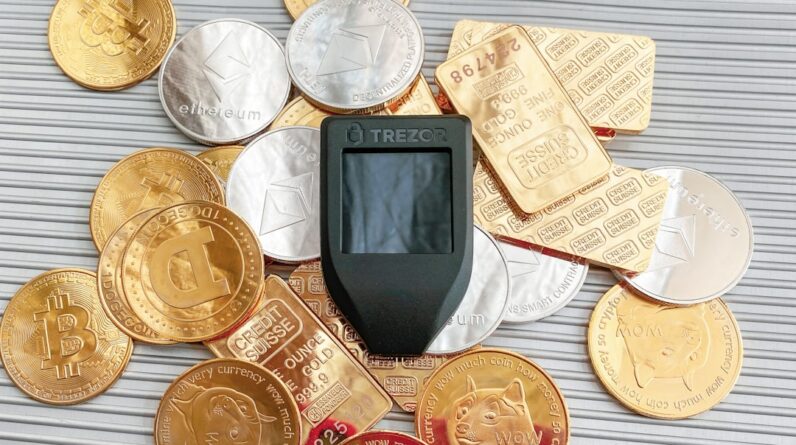
Once you’ve chosen a cryptocurrency, the next step is to set up a wallet to store your digital assets securely. A cryptocurrency wallet is essential for managing your funds and facilitating transactions. There are various types of wallets available, including hardware wallets, software wallets, and mobile wallets.
Hardware wallets are often considered the most secure option, as they store your private keys offline, making them less vulnerable to hacking attempts. On the other hand, software wallets offer convenience and ease of access but may expose you to greater risks if not properly secured. When setting up your wallet, ensure that you follow best practices for security.
This includes enabling two-factor authentication (2FA), using strong passwords, and regularly updating your wallet software. Additionally, consider backing up your wallet information in a secure location to prevent loss in case of device failure or theft. By taking these precautions, you can safeguard your assets while enjoying the benefits of using cryptocurrency for cross-border transactions.
Finding Reliable Exchanges for Cross-border Transactions
Finding a reliable exchange is crucial for successfully executing cross-border transactions with cryptocurrency. Not all exchanges are created equal; some may offer better rates or lower fees than others. You should start by researching reputable exchanges that support the cryptocurrency you’ve chosen and operate in both your country and the recipient’s country.
Look for platforms with a solid track record of security and customer service, as these factors can significantly impact your experience. Additionally, pay attention to the fees associated with trading on different exchanges. Some platforms charge higher fees for withdrawals or conversions, which can eat into your profits or increase costs for cross-border transactions.
Reading user reviews and checking ratings on independent review sites can provide valuable insights into an exchange’s reliability and performance. By carefully selecting an exchange that meets your needs, you can streamline your cross-border transactions and enhance your overall experience in the crypto space.
Managing Risks and Security Measures for Cross-border Transactions
Engaging in cross-border transactions with cryptocurrency comes with inherent risks that you must manage effectively. One of the primary concerns is market volatility; prices can fluctuate dramatically within short periods, potentially impacting the value of your transaction. To mitigate this risk, consider using stablecoins—cryptocurrencies pegged to stable assets like the US dollar—which can provide more predictable value during transactions.
Security is another critical aspect to consider when conducting cross-border transactions. Cybersecurity threats are prevalent in the crypto space, making it essential to implement robust security measures. Regularly updating your software, using hardware wallets for significant amounts, and being cautious about phishing attempts are all vital steps in protecting your assets.
Additionally, consider diversifying your holdings across multiple wallets or exchanges to minimize exposure in case of a security breach.
Understanding Transaction Fees and Exchange Rates for Cross-border Transactions

Transaction fees and exchange rates play a significant role in determining the overall cost of cross-border transactions with cryptocurrency. Each transaction typically incurs a fee that varies depending on the network congestion and the cryptocurrency used. For instance, Bitcoin transactions may have higher fees during peak times due to increased demand on the network.
Understanding these fees will help you plan your transactions more effectively and avoid unexpected costs. Exchange rates are equally important when converting cryptocurrencies into fiat currencies or vice versa. Rates can fluctuate rapidly based on market conditions, so it’s wise to monitor them closely before executing a transaction.
Some exchanges offer tools or features that allow you to lock in rates for a specific period, which can be beneficial if you anticipate significant changes in value. By staying informed about transaction fees and exchange rates, you can optimize your cross-border transactions and ensure that you’re getting the best value for your money.
Completing a Cross-border Transaction with Cryptocurrency
Completing a cross-border transaction with cryptocurrency involves several steps that require careful attention to detail. First, ensure that you have sufficient funds in your wallet to cover both the transaction amount and any associated fees. Once you’re ready to proceed, input the recipient’s wallet address accurately; even a small error can result in lost funds that are difficult or impossible to recover.
After entering the necessary details, review everything before confirming the transaction. Many wallets provide a summary of the transaction details, including fees and estimated confirmation times—take advantage of this feature to double-check your information. Once confirmed, you’ll receive a transaction ID that allows you to track its progress on the blockchain.
Depending on the cryptocurrency used and network conditions, confirmation times may vary; patience is often required during this process.
Staying Informed and Adapting to Changes in the Crypto Market for Cross-border Transactions
The cryptocurrency market is dynamic and ever-evolving; staying informed about changes is crucial for anyone engaging in cross-border transactions. Regularly following news sources, forums, and social media channels dedicated to cryptocurrency will help you keep abreast of market trends, regulatory developments, and technological advancements that could impact your transactions. Additionally, consider joining online communities or groups where like-minded individuals share insights and experiences related to crypto trading and cross-border transactions.
Engaging with others can provide valuable perspectives and tips that enhance your understanding of the market. By remaining adaptable and informed, you’ll be better positioned to navigate challenges and seize opportunities as they arise in the fast-paced world of cryptocurrency. In conclusion, engaging in cross-border transactions using cryptocurrency offers numerous advantages but also requires careful consideration of various factors.
By understanding the basics of crypto, choosing the right currency, setting up secure wallets, finding reliable exchanges, managing risks effectively, comprehending fees and exchange rates, completing transactions accurately, and staying informed about market changes, you can navigate this exciting landscape with confidence. Embracing these practices will not only enhance your experience but also empower you to make informed decisions as you explore the potential of cryptocurrency in global commerce.
FAQs
What is crypto?
Crypto, short for cryptocurrency, is a digital or virtual currency that uses cryptography for security and operates independently of a central bank.
What are cross-border transactions?
Cross-border transactions refer to financial transactions that occur between individuals or businesses in different countries.
How can crypto be used for cross-border transactions?
Crypto can be used for cross-border transactions by allowing individuals or businesses to send and receive payments across borders without the need for traditional banking systems.
What are the benefits of using crypto for cross-border transactions?
Some benefits of using crypto for cross-border transactions include lower fees, faster transaction times, and the ability to bypass traditional banking systems and their associated regulations.
What are the challenges of using crypto for cross-border transactions?
Challenges of using crypto for cross-border transactions include regulatory uncertainty, price volatility, and the need for both parties to have access to and understand how to use crypto.
What are some popular cryptocurrencies used for cross-border transactions?
Popular cryptocurrencies used for cross-border transactions include Bitcoin, Ethereum, Ripple, and Litecoin.
Are there any risks associated with using crypto for cross-border transactions?
Yes, risks associated with using crypto for cross-border transactions include the potential for hacking, scams, and the lack of consumer protections compared to traditional banking systems.