In today’s fast-paced digital landscape, the management of digital assets has become a critical component for businesses and individuals alike. Digital Asset Management (DAM) refers to the systematic organization, storage, and retrieval of digital assets such as images, videos, documents, and other media files. As you navigate through this realm, you may find that effective DAM not only enhances productivity but also ensures that valuable content is easily accessible and protected.
With the exponential growth of digital content, the need for robust systems to manage these assets has never been more pressing. As you delve deeper into the world of digital asset management, you will discover that it encompasses a variety of tools and strategies designed to streamline workflows and improve collaboration. From cloud-based solutions to on-premises software, the options available can cater to diverse needs and preferences.
The integration of advanced technologies, such as artificial intelligence and machine learning, has further revolutionized DAM, enabling more efficient tagging, searching, and categorization of assets. As you explore these innovations, you will begin to appreciate how they can transform the way you manage your digital content.
Key Takeaways
- Digital Asset Management (DAM) involves organizing, storing, and retrieving digital assets such as images, videos, and documents.
- Cryptocurrency is a digital or virtual currency that uses cryptography for security and operates independently of a central bank.
- The integration of cryptocurrency in DAM has been on the rise due to its potential for secure and efficient transactions.
- Using crypto in DAM can provide benefits such as lower transaction fees, faster cross-border transactions, and increased security.
- However, challenges and risks of using crypto in DAM include price volatility, regulatory uncertainty, and security concerns.
Understanding Cryptocurrency
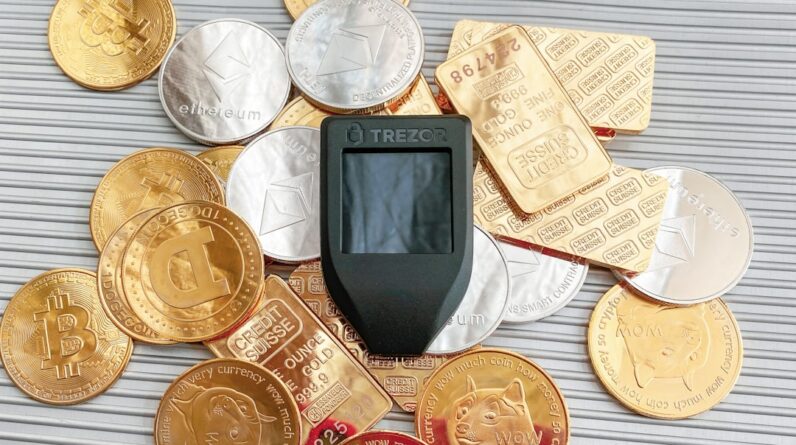
Cryptocurrency is a term that has gained significant traction in recent years, capturing the attention of investors, technologists, and everyday users alike. At its core, cryptocurrency is a form of digital or virtual currency that relies on cryptography for security. Unlike traditional currencies issued by governments, cryptocurrencies operate on decentralized networks based on blockchain technology.
This decentralized nature allows for peer-to-peer transactions without the need for intermediaries like banks or financial institutions. As you familiarize yourself with this concept, you will find that it offers a new paradigm for financial transactions. As you explore the various types of cryptocurrencies available today, you will encounter well-known names like Bitcoin and Ethereum, as well as countless altcoins that serve different purposes within the digital economy.
Each cryptocurrency operates on its own set of rules and protocols, which can influence its value and utility. Understanding these nuances is essential for anyone looking to engage with cryptocurrencies, whether for investment purposes or as a means of transaction. As you navigate this complex landscape, you will also come across concepts such as wallets, exchanges, and mining, all of which play crucial roles in the cryptocurrency ecosystem.
The Rise of Crypto in Digital Asset Management

The intersection of cryptocurrency and digital asset management is an emerging trend that is reshaping how assets are stored, traded, and valued. As you observe this evolution, it becomes clear that the integration of crypto into DAM systems offers innovative solutions for managing digital assets. The rise of blockchain technology has paved the way for secure and transparent transactions, allowing users to track ownership and provenance of digital assets with unprecedented accuracy.
This shift not only enhances trust among users but also opens up new avenues for monetization. As you consider the implications of this trend, you may find that the adoption of cryptocurrencies in DAM can streamline processes such as licensing and royalty payments. By utilizing smart contracts—self-executing contracts with the terms directly written into code—content creators can automate transactions and ensure they receive fair compensation for their work.
This capability not only reduces administrative burdens but also fosters a more equitable environment for artists and creators. As you explore these developments further, you will likely recognize the potential for cryptocurrencies to revolutionize the way digital assets are managed and exchanged.
Benefits of Using Crypto in Digital Asset Management
One of the most compelling advantages of incorporating cryptocurrency into digital asset management is the enhanced security it provides. Traditional methods of managing digital assets often involve centralized databases that can be vulnerable to hacking or data breaches. In contrast, blockchain technology offers a decentralized approach that significantly reduces these risks.
As you engage with crypto-based DAM systems, you will appreciate the peace of mind that comes from knowing your assets are protected by robust cryptographic protocols. Another notable benefit is the increased efficiency in transactions. With cryptocurrencies, cross-border payments can be executed almost instantaneously without the delays associated with traditional banking systems.
This speed is particularly advantageous for businesses operating in a global marketplace where time is often of the essence. Additionally, lower transaction fees associated with cryptocurrency transfers can lead to significant cost savings over time. As you weigh these benefits against traditional methods, it becomes evident that crypto can enhance both operational efficiency and financial performance in digital asset management.
Challenges and Risks of Using Crypto in Digital Asset Management
Despite the numerous advantages that cryptocurrencies offer in digital asset management, there are also challenges and risks that you must consider. One significant concern is the volatility associated with many cryptocurrencies. Prices can fluctuate dramatically within short periods, which can pose risks for businesses relying on stable valuations for their digital assets.
As you navigate this landscape, it is crucial to develop strategies to mitigate these risks, such as diversifying your asset portfolio or using stablecoins that are pegged to traditional currencies. Another challenge lies in the regulatory environment surrounding cryptocurrencies. As governments around the world grapple with how to regulate this rapidly evolving space, uncertainty can create obstacles for businesses looking to adopt crypto solutions in their DAM systems.
Compliance with varying regulations can be complex and may require significant resources to ensure adherence. As you explore the potential of integrating crypto into your digital asset management strategy, staying informed about regulatory developments will be essential to navigating these challenges effectively.
Regulations and Compliance in Crypto Asset Management

The regulatory landscape for cryptocurrencies is continually evolving, making it imperative for you to stay informed about compliance requirements as they pertain to digital asset management. Different countries have adopted varying approaches to cryptocurrency regulation, ranging from outright bans to comprehensive frameworks designed to foster innovation while protecting consumers. As you engage with crypto in your DAM practices, understanding these regulations will help you navigate potential legal pitfalls.
In addition to national regulations, industry standards are also emerging to guide best practices in crypto asset management. Organizations are beginning to establish frameworks that address issues such as security protocols, anti-money laundering (AML) measures, and know-your-customer (KYC) requirements. By adhering to these standards, you can enhance your credibility and build trust with clients and partners in the digital asset space.
As you consider integrating cryptocurrencies into your DAM strategy, prioritizing compliance will be essential for long-term success.
The Future of Digital Asset Management with Crypto
Looking ahead, the future of digital asset management appears increasingly intertwined with cryptocurrency and blockchain technology. As more businesses recognize the benefits of adopting crypto solutions, we can expect to see a surge in innovative applications that leverage these technologies for enhanced asset management. You may find that new platforms emerge that seamlessly integrate cryptocurrency transactions with traditional DAM functionalities, creating a more holistic approach to managing digital content.
Moreover, as blockchain technology continues to mature, its potential applications within DAM will likely expand beyond simple transactions. Concepts such as decentralized storage solutions could revolutionize how digital assets are stored and accessed, providing users with greater control over their content while reducing reliance on centralized servers. As you keep an eye on these developments, it will be fascinating to witness how they reshape the landscape of digital asset management in the coming years.
Embracing Crypto in Digital Asset Management
In conclusion, embracing cryptocurrency within digital asset management presents a unique opportunity for businesses and individuals alike to enhance their operations and unlock new possibilities. The benefits of increased security, efficiency, and transparency are compelling reasons to consider integrating crypto solutions into your DAM strategy. However, it is equally important to remain vigilant about the challenges and risks associated with this rapidly evolving landscape.
As you navigate this journey into the world of crypto-enabled digital asset management, staying informed about regulatory developments and industry best practices will be crucial for success. By doing so, you position yourself at the forefront of an exciting transformation that has the potential to redefine how we manage and interact with digital assets. Embracing this change not only prepares you for future advancements but also empowers you to leverage the full potential of your digital content in an increasingly interconnected world.
FAQs
What is digital asset management?
Digital asset management (DAM) involves the organization, storage, and retrieval of digital assets such as images, videos, documents, and other media files. It is a system that allows for the efficient management and distribution of digital assets.
What is cryptocurrency?
Cryptocurrency is a digital or virtual currency that uses cryptography for security and operates independently of a central bank. It is decentralized and typically uses blockchain technology to secure and verify transactions.
How does cryptocurrency play a role in digital asset management?
Cryptocurrency can play a role in digital asset management by providing a secure and efficient way to transfer and store digital assets. Blockchain technology, which underpins many cryptocurrencies, can be used to create transparent and tamper-proof records of digital asset ownership and transactions.
What are the benefits of using cryptocurrency in digital asset management?
Using cryptocurrency in digital asset management can provide benefits such as increased security, reduced transaction costs, faster transfer speeds, and the ability to access a global market. Additionally, cryptocurrency can enable new business models and revenue streams for digital asset management providers.
What are some challenges associated with using cryptocurrency in digital asset management?
Challenges associated with using cryptocurrency in digital asset management include regulatory uncertainty, security concerns, volatility in cryptocurrency prices, and the need for specialized technical expertise. Additionally, integrating cryptocurrency into existing digital asset management systems may require significant investment and resources.