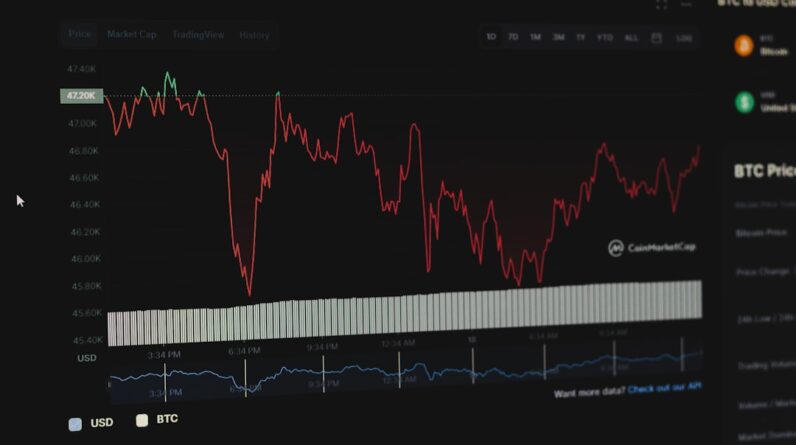
To embark on your cryptocurrency journey, it’s essential to grasp the fundamental concepts that underpin this digital financial landscape. At its core, cryptocurrency is a form of digital or virtual currency that employs cryptography for security. Unlike traditional currencies issued by governments, cryptocurrencies operate on decentralized networks based on blockchain technology.
This decentralized nature means that no single entity, such as a bank or government, has control over the currency, which can lead to increased transparency and reduced transaction costs. As you delve deeper into the world of cryptocurrency, you’ll encounter various terms and concepts that are crucial to your understanding. For instance, blockchain is the technology that records all transactions across a network of computers, ensuring that every transaction is secure and immutable.
Additionally, you’ll come across terms like mining, which refers to the process of validating transactions and adding them to the blockchain, and wallets, which are digital tools used to store your cryptocurrencies. Familiarizing yourself with these basics will provide a solid foundation as you navigate the complexities of investing in this innovative financial sector.
Key Takeaways
- Cryptocurrency is a digital or virtual form of currency that uses cryptography for security and operates independently of a central bank.
- When setting investment goals and risk tolerance for cryptocurrency, consider factors such as your financial situation, investment timeline, and comfort level with volatility.
- Research different cryptocurrencies to understand their technology, use cases, market trends, and potential for long-term growth.
- Choose the right exchange and wallet based on factors such as security features, user interface, fees, and available cryptocurrencies.
- Diversify your cryptocurrency portfolio to spread risk and potentially increase returns by investing in a variety of cryptocurrencies with different use cases and market potential.
Setting Investment Goals and Risk Tolerance
Before you dive into investing in cryptocurrencies, it’s vital to establish clear investment goals and assess your risk tolerance. Consider what you hope to achieve with your investments. Are you looking for short-term gains, or are you more interested in long-term wealth accumulation?
Defining your objectives will help guide your investment decisions and strategies. For instance, if you aim for quick profits, you might focus on trading volatile cryptocurrencies, while a long-term investor may prefer more stable options. Understanding your risk tolerance is equally important.
Cryptocurrencies are known for their price volatility, which can lead to significant gains but also substantial losses. Reflect on how much risk you are willing to take and how much capital you can afford to lose without jeopardizing your financial stability. By evaluating your risk appetite, you can make informed decisions about which cryptocurrencies to invest in and how much of your portfolio to allocate to each asset.
Researching Different Cryptocurrencies

With a clear understanding of your goals and risk tolerance, the next step is to research various cryptocurrencies available in the market. While Bitcoin remains the most well-known and widely adopted cryptocurrency, thousands of alternatives—often referred to as altcoins—exist, each with unique features and use cases. Take the time to explore these options, as some may align better with your investment strategy than others.
When researching cryptocurrencies, consider factors such as the technology behind the coin, its use case, market capitalization, and the team behind the project. Look for whitepapers that outline the vision and technical details of the cryptocurrency. Additionally, pay attention to community engagement and developer activity; a strong community can indicate a healthy project with potential for growth.
By conducting thorough research, you can make informed decisions about which cryptocurrencies to include in your portfolio.
Choosing the Right Exchange and Wallet
Once you’ve identified the cryptocurrencies you wish to invest in, the next step is selecting a reliable exchange and wallet for your transactions. Cryptocurrency exchanges serve as platforms where you can buy, sell, or trade cryptocurrencies for other digital assets or fiat currencies. When choosing an exchange, consider factors such as security features, user interface, fees, and available trading pairs.
Popular exchanges like Coinbase, Binance, and Kraken offer varying services that cater to different types of investors. In addition to selecting an exchange, it’s crucial to choose a secure wallet for storing your cryptocurrencies. Wallets come in various forms: hardware wallets provide offline storage for maximum security, while software wallets offer convenience for frequent transactions.
Assess your needs based on how often you plan to trade versus how long you intend to hold your assets. A combination of both types of wallets can provide a balanced approach to security and accessibility.
Diversifying Your Cryptocurrency Portfolio
Diversification is a key principle in investing that can help mitigate risk while maximizing potential returns. In the context of cryptocurrency, this means spreading your investments across different coins rather than putting all your capital into one asset. By diversifying your portfolio, you can reduce the impact of a poor-performing asset on your overall investment.
When considering diversification in cryptocurrency, think about including a mix of established coins like Bitcoin and Ethereum alongside smaller altcoins with growth potential. Each cryptocurrency behaves differently based on market conditions and technological developments; thus, having a varied portfolio can help cushion against volatility. Additionally, consider diversifying across different sectors within the crypto space—such as decentralized finance (DeFi), non-fungible tokens (NFTs), and stablecoins—to further enhance your investment strategy.
Setting Up a Long-Term Investment Strategy

Establishing a long-term investment strategy is crucial for navigating the often tumultuous waters of cryptocurrency markets. A well-defined strategy will help you stay focused on your goals and avoid making impulsive decisions based on short-term market fluctuations. Start by determining how much capital you want to allocate to cryptocurrencies and how long you plan to hold your investments.
Consider employing dollar-cost averaging (DCA) as part of your long-term strategy. This approach involves investing a fixed amount of money at regular intervals, regardless of market conditions. DCA can help reduce the impact of volatility by averaging out the purchase price over time.
Additionally, set specific milestones or review periods to assess your portfolio’s performance and make adjustments as needed. By committing to a long-term strategy, you can better weather market fluctuations and increase your chances of achieving your financial goals.
Implementing Risk Management Techniques
Risk management is an essential aspect of successful investing in cryptocurrencies. Given their inherent volatility, it’s crucial to implement strategies that protect your capital while allowing for potential growth. One effective technique is setting stop-loss orders—automated instructions that sell an asset when it reaches a predetermined price point.
This can help limit losses during sudden market downturns. Another important aspect of risk management is position sizing. Determine how much of your total capital you are willing to invest in each cryptocurrency based on its risk profile and your overall portfolio strategy.
Avoid overexposing yourself to any single asset; instead, maintain a balanced approach that aligns with your risk tolerance. By incorporating these risk management techniques into your investment strategy, you can safeguard your investments while still pursuing opportunities for growth.
Staying Informed and Adapting to Market Changes
The cryptocurrency market is dynamic and constantly evolving; therefore, staying informed about industry trends and developments is vital for any investor. Regularly follow reputable news sources, join online communities, and engage with other investors to gain insights into market sentiment and emerging technologies. Being aware of regulatory changes or technological advancements can significantly impact your investment decisions.
Moreover, be prepared to adapt your strategy as market conditions change. The ability to pivot in response to new information or shifts in market dynamics is crucial for long-term success in cryptocurrency investing. Regularly review your portfolio’s performance and be open to rebalancing or adjusting your holdings based on new insights or changing market conditions.
By staying informed and flexible, you can navigate the complexities of the cryptocurrency landscape with confidence and resilience. In conclusion, investing in cryptocurrency requires a thoughtful approach that encompasses understanding the basics, setting clear goals, conducting thorough research, choosing reliable platforms, diversifying effectively, implementing risk management techniques, and staying informed about market changes. By following these guidelines and remaining adaptable in this fast-paced environment, you can position yourself for success in the exciting world of cryptocurrency investing.
FAQs
What is cryptocurrency investment?
Cryptocurrency investment refers to the act of purchasing and holding digital currencies with the expectation of making a profit in the future. This can involve buying popular cryptocurrencies such as Bitcoin and Ethereum, as well as investing in newer, lesser-known coins.
What are some common cryptocurrency investment strategies for beginners?
Some common cryptocurrency investment strategies for beginners include dollar-cost averaging, long-term holding, and diversification. Dollar-cost averaging involves investing a fixed amount of money at regular intervals, regardless of the current price of the cryptocurrency. Long-term holding involves buying and holding onto cryptocurrencies for an extended period, typically with the expectation of significant price appreciation. Diversification involves spreading investment across multiple cryptocurrencies to reduce risk.
What are the risks associated with cryptocurrency investment?
Cryptocurrency investment carries several risks, including price volatility, regulatory uncertainty, security risks, and market manipulation. The value of cryptocurrencies can fluctuate significantly in a short period, leading to potential losses for investors. Additionally, the regulatory environment for cryptocurrencies is constantly evolving, which can impact their value and legality. Security risks such as hacking and fraud are also prevalent in the cryptocurrency space.
What are some tips for beginners looking to invest in cryptocurrency?
Some tips for beginners looking to invest in cryptocurrency include conducting thorough research, starting with a small investment, and using secure storage solutions. It’s important for beginners to educate themselves about the cryptocurrency market, including the technology, potential risks, and investment strategies. Starting with a small investment can help beginners gain experience without risking a significant amount of money. Additionally, using secure storage solutions such as hardware wallets can help protect investments from theft and hacking.