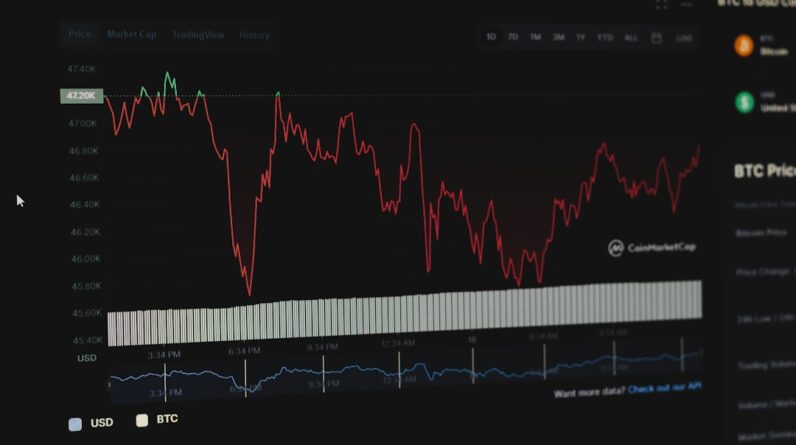
To embark on your journey into the world of cryptocurrency, it is essential to grasp the fundamental concepts that underpin this digital revolution. At its core, cryptocurrency is a form of digital or virtual currency that employs cryptography for security. Unlike traditional currencies issued by governments, cryptocurrencies operate on decentralized networks based on blockchain technology.
This decentralized nature means that no single entity, such as a bank or government, has control over the currency, which can lead to increased transparency and reduced transaction costs. As you delve deeper into the realm of cryptocurrency, you will encounter various terms and concepts that are crucial to your understanding. For instance, blockchain is the technology that records all transactions across a network of computers, ensuring that every transaction is secure and immutable.
Additionally, you will come across terms like mining, which refers to the process of validating transactions and adding them to the blockchain, and wallets, which are digital tools that allow you to store and manage your cryptocurrencies. Familiarizing yourself with these basics will provide a solid foundation as you navigate the complexities of the cryptocurrency landscape.
Key Takeaways
- Cryptocurrency is a digital or virtual form of currency that uses cryptography for security and operates independently of a central bank.
- When choosing the right cryptocurrency to invest in, consider factors such as the technology behind the cryptocurrency, its market demand, and its potential for long-term growth.
- Setting up a cryptocurrency wallet is essential for securely storing and managing your digital assets. Choose a wallet that offers strong security features and user-friendly interface.
- Selecting a reputable cryptocurrency exchange is crucial for buying, selling, and trading digital assets. Look for exchanges with strong security measures, good liquidity, and a user-friendly platform.
- Creating a diversified cryptocurrency portfolio can help spread risk and maximize potential returns. Consider investing in a mix of established and emerging cryptocurrencies across different sectors.
- Implement risk management strategies such as setting stop-loss orders, diversifying your investments, and staying updated on market trends to protect your cryptocurrency investments.
- Stay informed and updated on cryptocurrency market trends by following reputable news sources, joining online communities, and monitoring market data and analysis.
- Seek professional advice and guidance from financial advisors or cryptocurrency experts to make informed investment decisions and navigate the complexities of the cryptocurrency market.
Choosing the Right Cryptocurrency to Invest In
With thousands of cryptocurrencies available in the market, selecting the right one to invest in can feel overwhelming. It is crucial to conduct thorough research before making any investment decisions. Start by examining the top cryptocurrencies by market capitalization, such as Bitcoin and Ethereum, as they tend to have more stability and liquidity compared to lesser-known altcoins.
However, don’t overlook smaller projects that may have significant growth potential; sometimes, these emerging cryptocurrencies can offer substantial returns if you identify them early. When evaluating a cryptocurrency, consider its use case and the problem it aims to solve. A project with a clear purpose and a strong development team is more likely to succeed in the long run.
Additionally, take note of the community surrounding the cryptocurrency; an active and engaged community can be a good indicator of a project’s potential. By analyzing these factors, you can make informed decisions about which cryptocurrencies align with your investment goals and risk tolerance.
Setting Up a Cryptocurrency Wallet

Once you have decided on the cryptocurrencies you wish to invest in, the next step is to set up a cryptocurrency wallet. A wallet is essential for securely storing your digital assets and managing your transactions. There are several types of wallets available, including hardware wallets, software wallets, and online wallets.
Hardware wallets are physical devices that store your private keys offline, providing an extra layer of security against hacking attempts. On the other hand, software wallets are applications that can be installed on your computer or mobile device, offering convenience for frequent transactions. When choosing a wallet, consider factors such as security features, ease of use, and compatibility with the cryptocurrencies you plan to hold.
It’s also wise to enable two-factor authentication (2FA) for added security. Once your wallet is set up, make sure to back up your recovery phrase or private keys in a safe place. This step is crucial because losing access to your wallet could mean losing your investments permanently.
Selecting a Cryptocurrency Exchange
To buy and sell cryptocurrencies, you will need to select a cryptocurrency exchange. An exchange acts as a marketplace where you can trade your fiat currency for digital assets or swap one cryptocurrency for another. When choosing an exchange, consider factors such as security measures, fees, user interface, and available trading pairs.
Some exchanges are more user-friendly than others, making them suitable for beginners, while others may offer advanced trading features for experienced investors. It’s also important to research the reputation of the exchange you are considering. Look for reviews from other users and check if the exchange has experienced any security breaches in the past.
Additionally, ensure that the exchange complies with regulatory requirements in your jurisdiction. By taking these precautions, you can select an exchange that aligns with your trading needs while minimizing risks associated with trading cryptocurrencies.
Creating a Diversified Cryptocurrency Portfolio
As you begin investing in cryptocurrencies, it’s essential to create a diversified portfolio to mitigate risks and enhance potential returns. Diversification involves spreading your investments across various assets rather than concentrating them in one or two cryptocurrencies. This strategy can help protect your portfolio from significant losses if one asset underperforms.
Consider allocating your investments among established cryptocurrencies like Bitcoin and Ethereum while also exploring promising altcoins that have strong fundamentals. When building your portfolio, think about your investment horizon and risk tolerance. If you are looking for long-term growth, you might want to invest in projects with solid technology and real-world applications.
Conversely, if you prefer short-term trading opportunities, you may focus on more volatile assets that could yield quick profits. Regularly review and rebalance your portfolio based on market conditions and your investment goals to ensure it remains aligned with your strategy.
Implementing Risk Management Strategies

Investing in cryptocurrencies can be highly volatile, making it crucial to implement effective risk management strategies. One of the first steps in managing risk is determining how much capital you are willing to invest in cryptocurrencies and setting clear limits on potential losses. A common approach is to use stop-loss orders, which automatically sell your assets when they reach a predetermined price point.
This strategy can help protect your investments from significant downturns. Additionally, consider employing position sizing techniques to determine how much of your total capital should be allocated to each trade or investment. By limiting the amount you invest in any single asset, you can reduce the impact of adverse price movements on your overall portfolio.
Remember that risk management is not just about protecting against losses; it also involves knowing when to take profits and exit positions strategically.
Staying Informed and Updated on Cryptocurrency Market Trends
The cryptocurrency market is constantly evolving, making it essential for you to stay informed about the latest trends and developments. Follow reputable news sources and industry publications that cover cryptocurrency topics extensively. Engaging with online communities on platforms like Reddit or Twitter can also provide valuable insights from fellow investors and enthusiasts who share their experiences and knowledge.
In addition to news articles, consider subscribing to newsletters or podcasts focused on cryptocurrency analysis and market trends. These resources can help you stay updated on regulatory changes, technological advancements, and emerging projects that may impact your investments. By remaining informed about market dynamics, you can make timely decisions that align with your investment strategy.
Seeking Professional Advice and Guidance
While self-education is vital in navigating the cryptocurrency landscape, seeking professional advice can provide additional insights and guidance tailored to your specific financial situation. Financial advisors who specialize in cryptocurrencies can help you develop a comprehensive investment strategy that aligns with your goals and risk tolerance. They can also assist in tax planning related to cryptocurrency transactions, ensuring compliance with regulations.
When choosing a financial advisor, look for someone with experience in cryptocurrency investments who understands the unique challenges and opportunities within this space. A knowledgeable advisor can help you avoid common pitfalls while maximizing your potential returns. Remember that investing in cryptocurrencies carries inherent risks; having professional guidance can provide peace of mind as you navigate this exciting yet unpredictable market.
In conclusion, entering the world of cryptocurrency requires a solid understanding of its fundamentals, careful selection of assets, and strategic planning for risk management and diversification. By staying informed and seeking professional advice when necessary, you can enhance your chances of success in this dynamic investment landscape. As you embark on this journey, remember that patience and diligence are key components of successful investing in cryptocurrencies.
FAQs
What is cryptocurrency investment?
Cryptocurrency investment refers to the act of purchasing and holding digital currencies with the expectation of making a profit in the future. This can involve buying popular cryptocurrencies such as Bitcoin and Ethereum, as well as investing in newer, lesser-known coins.
How do I get started with cryptocurrency investment?
To get started with cryptocurrency investment, you will need to open an account with a reputable cryptocurrency exchange, complete the necessary verification processes, and deposit funds into your account. Once your account is set up, you can start buying and selling cryptocurrencies.
What are the risks associated with cryptocurrency investment?
Cryptocurrency investment carries several risks, including price volatility, regulatory uncertainty, security risks, and the potential for fraud and scams. It’s important to conduct thorough research and only invest what you can afford to lose.
What are the different investment strategies for cryptocurrency?
There are various investment strategies for cryptocurrency, including long-term holding, day trading, and swing trading. Long-term holding involves buying and holding onto cryptocurrencies for an extended period, while day trading and swing trading involve more frequent buying and selling of assets to capitalize on short-term price movements.
What are some popular cryptocurrencies to invest in?
Some popular cryptocurrencies to consider for investment include Bitcoin, Ethereum, Ripple, Litecoin, and Cardano. It’s important to research each cryptocurrency and consider factors such as market trends, technology, and use cases before making an investment decision.