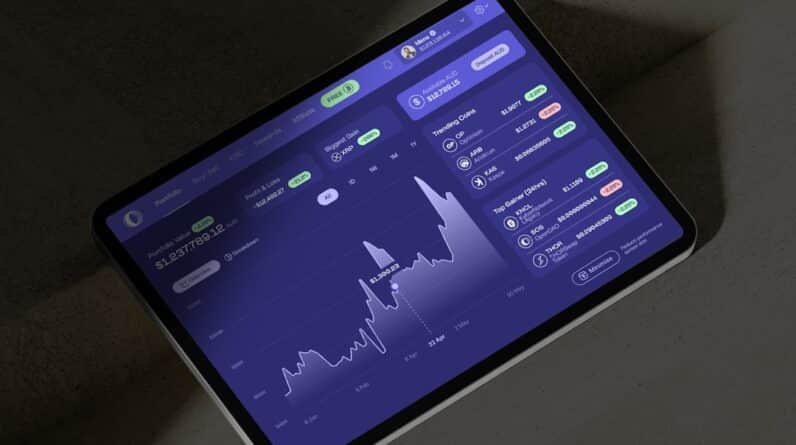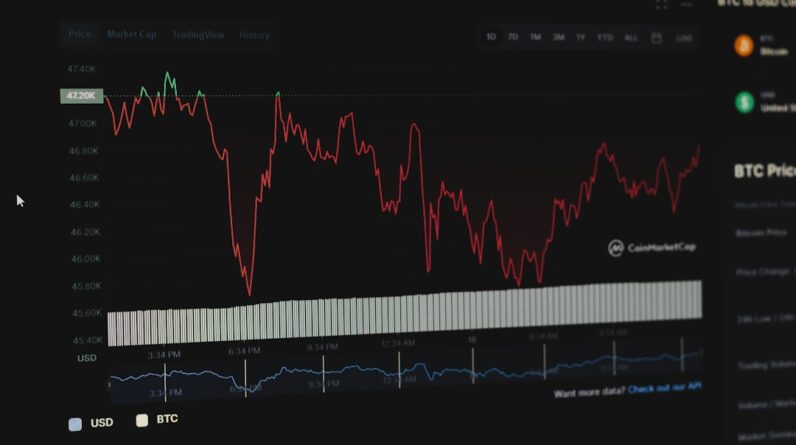
When you delve into the world of cryptocurrency, one of the first things you will notice is its inherent volatility. Prices can swing dramatically within a matter of hours, influenced by a myriad of factors ranging from market sentiment to regulatory news. This volatility can be both a blessing and a curse; while it presents opportunities for significant gains, it also poses substantial risks.
Understanding this volatility is crucial for anyone looking to invest in cryptocurrencies. You must recognize that the rapid price fluctuations are often driven by speculation, technological advancements, and macroeconomic trends, making it essential to stay informed about the broader market landscape. As you navigate this unpredictable terrain, it’s important to develop a mindset that embraces the uncertainty of the crypto market.
Unlike traditional assets, cryptocurrencies can react sharply to news events or social media trends, leading to sudden price movements. For instance, a tweet from a prominent figure can send prices soaring or plummeting within minutes. Therefore, you should cultivate a strategy that accounts for these fluctuations, allowing you to make informed decisions rather than emotional ones.
By understanding the factors that contribute to volatility, you can better position yourself to capitalize on opportunities while minimizing potential losses.
Key Takeaways
- Cryptocurrency volatility is driven by factors such as market demand, speculation, and regulatory developments.
- Diversification in crypto investments can help spread risk and minimize the impact of market fluctuations.
- Assessing counterparty risk is crucial in crypto transactions to avoid potential fraud or default.
- Implementing stop-loss orders and risk mitigation strategies can help limit losses in volatile crypto markets.
- Evaluating regulatory and legal risks is essential for understanding the potential impact on crypto investments and operations.
Importance of Diversification in Crypto Investments
Diversification is a fundamental principle in investing, and it holds particular significance in the realm of cryptocurrency. As you consider your investment strategy, spreading your capital across various cryptocurrencies can help mitigate risk. By not putting all your eggs in one basket, you reduce the impact of a poor-performing asset on your overall portfolio.
The crypto market is filled with thousands of coins and tokens, each with its unique characteristics and potential for growth. By diversifying your investments, you can tap into different sectors of the market and increase your chances of finding high-performing assets. Moreover, diversification allows you to balance your portfolio against the inherent volatility of individual cryptocurrencies.
For example, if one coin experiences a significant downturn, other assets in your portfolio may perform well enough to offset those losses. This strategy not only helps in managing risk but also positions you to take advantage of various market trends. As you explore different cryptocurrencies, consider their use cases, market capitalization, and historical performance.
By carefully selecting a mix of established coins and promising newcomers, you can create a well-rounded portfolio that stands a better chance of weathering market fluctuations.
Assessing and Managing Counterparty Risk in Crypto Transactions

In the world of cryptocurrency, counterparty risk is an often-overlooked aspect that can have serious implications for your investments. This risk arises when you engage in transactions with other parties, such as exchanges or wallet providers. If these entities fail to fulfill their obligations—whether due to insolvency, fraud, or technical issues—you could face significant losses.
As you engage in crypto transactions, it’s vital to assess the reliability and reputation of the counterparties involved. Researching their history, security measures, and user reviews can provide valuable insights into their trustworthiness. To effectively manage counterparty risk, consider using reputable exchanges and wallets that have established themselves in the industry.
Look for platforms with strong security protocols, such as two-factor authentication and cold storage options for funds. Additionally, diversifying your transactions across multiple platforms can further reduce your exposure to any single counterparty’s failure. By taking these precautions, you can safeguard your investments and ensure that you are engaging with trustworthy entities in the crypto space.
Implementing Stop-Loss Orders and Risk Mitigation Strategies
One of the most effective ways to manage risk in cryptocurrency trading is through the use of stop-loss orders. A stop-loss order allows you to set a predetermined price at which your asset will be sold automatically if it begins to decline. This tool can help protect your investments from significant losses during periods of high volatility.
As you develop your trading strategy, consider incorporating stop-loss orders as a safety net that allows you to exit positions without having to monitor the market constantly. In addition to stop-loss orders, there are various risk mitigation strategies you can employ to enhance your trading approach. For instance, setting profit targets alongside stop-loss orders can help you lock in gains while minimizing potential losses.
You might also consider using position sizing techniques to determine how much capital to allocate to each trade based on your risk tolerance. By implementing these strategies, you create a structured approach to trading that prioritizes risk management while still allowing for potential rewards.
Evaluating Regulatory and Legal Risks in the Crypto Market
As you navigate the cryptocurrency landscape, it’s essential to stay informed about the regulatory environment surrounding digital assets. The legal framework governing cryptocurrencies varies significantly from one jurisdiction to another and is continually evolving. Regulatory changes can have profound implications for your investments; new laws may affect the legality of certain transactions or impose restrictions on exchanges and wallets.
Therefore, keeping abreast of regulatory developments is crucial for making informed investment decisions. To mitigate regulatory risks, consider investing in cryptocurrencies that comply with existing laws and regulations in your region. Engaging with legal experts or financial advisors who specialize in cryptocurrency can provide valuable insights into potential risks and help you navigate complex legal landscapes.
Additionally, staying connected with industry news and updates will enable you to adapt your investment strategy as regulations change, ensuring that you remain compliant while maximizing your investment potential.
Addressing Cybersecurity Risks in Cryptocurrency Investments

Cybersecurity is a critical concern for anyone involved in cryptocurrency investments. The decentralized nature of digital assets makes them attractive targets for hackers and cybercriminals. As you manage your investments, it’s vital to implement robust security measures to protect your assets from theft or loss.
This includes using secure wallets—preferably hardware wallets—for storing your cryptocurrencies rather than leaving them on exchanges where they are more vulnerable. Furthermore, adopting best practices for online security is essential in safeguarding your investments. Regularly updating passwords, enabling two-factor authentication on all accounts, and being cautious about phishing attempts are all steps you should take to enhance your cybersecurity posture.
By prioritizing security and remaining vigilant against potential threats, you can significantly reduce the risk of losing your investments due to cyberattacks.
Utilizing Risk Management Tools and Techniques in Crypto Investing
Incorporating risk management tools and techniques into your cryptocurrency investing strategy is vital for long-term success. Various platforms offer tools that can help you analyze market trends, track performance, and assess risk levels associated with different assets. Utilizing these tools allows you to make data-driven decisions rather than relying solely on intuition or speculation.
Additionally, consider employing techniques such as portfolio rebalancing to maintain your desired asset allocation over time. As certain cryptocurrencies appreciate or depreciate in value, rebalancing ensures that your portfolio remains aligned with your investment goals and risk tolerance. By actively managing your portfolio using these tools and techniques, you can enhance your ability to navigate the complexities of the crypto market while minimizing potential risks.
Developing a Risk Management Plan for Long-Term Crypto Investment Success
Creating a comprehensive risk management plan is essential for achieving long-term success in cryptocurrency investing. This plan should outline your investment goals, risk tolerance levels, and specific strategies for managing various types of risks—such as market volatility, counterparty risk, regulatory changes, cybersecurity threats, and more. By having a clear roadmap in place, you can approach your investments with confidence and clarity.
As part of your risk management plan, regularly review and adjust your strategies based on market conditions and personal circumstances. The crypto landscape is dynamic; what works today may not be effective tomorrow. By staying flexible and open to change while adhering to your core principles of risk management, you position yourself for sustained success in the ever-evolving world of cryptocurrency investing.
Ultimately, a well-thought-out risk management plan will empower you to navigate challenges while capitalizing on opportunities for growth in this exciting market.
FAQs
What is risk management in crypto investing?
Risk management in crypto investing refers to the process of identifying, assessing, and mitigating potential risks associated with investing in cryptocurrencies. It involves implementing strategies to minimize the impact of potential losses and protect investment capital.
Why is risk management important in crypto investing?
Risk management is important in crypto investing because the cryptocurrency market is highly volatile and can be subject to sudden and significant price fluctuations. By implementing risk management strategies, investors can protect their capital and minimize potential losses.
What are some common risk management strategies in crypto investing?
Common risk management strategies in crypto investing include diversification of investment portfolios, setting stop-loss orders to limit potential losses, conducting thorough research before investing, and staying informed about market trends and developments.
How can investors assess and identify risks in crypto investing?
Investors can assess and identify risks in crypto investing by conducting thorough research on the specific cryptocurrencies they are interested in, analyzing market trends and historical price data, and staying informed about regulatory developments and potential security vulnerabilities.
What are some potential risks associated with crypto investing?
Some potential risks associated with crypto investing include market volatility, regulatory uncertainty, security vulnerabilities, potential for fraud and scams, and technological risks such as network attacks and software bugs.