To embark on your journey into the world of cryptocurrency, it is essential to grasp the fundamental concepts that underpin this digital financial landscape. At its core, cryptocurrency is a form of digital or virtual currency that employs cryptography for security. Unlike traditional currencies issued by governments, cryptocurrencies operate on decentralized networks based on blockchain technology.
This means that transactions are recorded on a public ledger, ensuring transparency and security while eliminating the need for intermediaries like banks. As you delve deeper into the realm of cryptocurrencies, you will encounter various types, each with unique features and purposes. Bitcoin, the first and most well-known cryptocurrency, was created in 2009 as a response to the global financial crisis.
Since then, thousands of alternative cryptocurrencies, or altcoins, have emerged, each offering different functionalities. For instance, Ethereum introduced smart contracts, enabling developers to create decentralized applications on its platform. Understanding these distinctions will empower you to make informed decisions as you navigate the ever-evolving cryptocurrency market.
Key Takeaways
- Cryptocurrency is a digital or virtual form of currency that uses cryptography for security and operates independently of a central bank.
- Safe investment opportunities in cryptocurrency include established coins with a strong track record, reputable exchanges, and regulated investment products.
- Managing risks in cryptocurrency investment involves diversifying your portfolio, setting clear investment goals, and staying informed about market trends.
- Common scams and frauds in cryptocurrency include Ponzi schemes, fake ICOs, and phishing attacks, so it’s important to be vigilant and do thorough research before investing.
- Utilizing secure wallets and exchanges is crucial for protecting your cryptocurrency investments from theft and hacking. It’s important to choose reputable platforms with strong security measures in place.
Identifying Safe Investment Opportunities
When considering investments in cryptocurrency, identifying safe opportunities is crucial to safeguarding your capital. One effective approach is to focus on established cryptocurrencies with a proven track record. Bitcoin and Ethereum are prime examples; they have demonstrated resilience over time and have garnered significant market capitalization.
By investing in these well-established coins, you can mitigate some risks associated with newer, less stable projects. In addition to established cryptocurrencies, you should also explore projects with strong fundamentals and active development teams. Conducting thorough research is vital; look for whitepapers that outline the project’s goals, technology, and use cases.
Engaging with online communities and forums can provide valuable insights into the project’s reputation and potential for growth. By taking the time to analyze these factors, you can identify investment opportunities that align with your risk tolerance and financial goals.
Managing Risks and Diversifying Portfolios

Risk management is a critical aspect of investing in cryptocurrency, given its inherent volatility. As you navigate this dynamic market, it is essential to develop strategies that help you minimize potential losses while maximizing gains. One effective method is diversification—spreading your investments across various cryptocurrencies rather than concentrating your funds in a single asset.
This approach can help cushion your portfolio against significant downturns in any one asset. In addition to diversifying across different cryptocurrencies, consider allocating a portion of your portfolio to other asset classes such as stocks or bonds. This balanced approach can provide stability during turbulent market conditions.
Regularly reviewing and rebalancing your portfolio is also essential; as certain assets appreciate or depreciate in value, adjusting your allocations can help maintain your desired risk profile. By actively managing your investments and diversifying your holdings, you can navigate the unpredictable nature of the cryptocurrency market with greater confidence.
Recognizing Common Scams and Frauds
As you explore the world of cryptocurrency, it is vital to remain vigilant against scams and fraudulent schemes that prey on unsuspecting investors. The anonymity and decentralized nature of cryptocurrencies can attract malicious actors looking to exploit individuals seeking quick profits. One common scam involves Ponzi schemes, where returns are paid to earlier investors using the capital from new investors rather than from legitimate profits.
Recognizing the signs of such schemes can help you avoid falling victim to them. Another prevalent form of fraud is phishing attacks, where scammers impersonate legitimate exchanges or wallets to steal sensitive information such as private keys or login credentials. Always ensure that you are using official websites and double-check URLs before entering any personal information.
Additionally, be cautious of unsolicited investment opportunities promising guaranteed returns; if it sounds too good to be true, it probably is. By staying informed about common scams and exercising caution in your investment decisions, you can protect yourself from potential losses.
Utilizing Secure Wallets and Exchanges
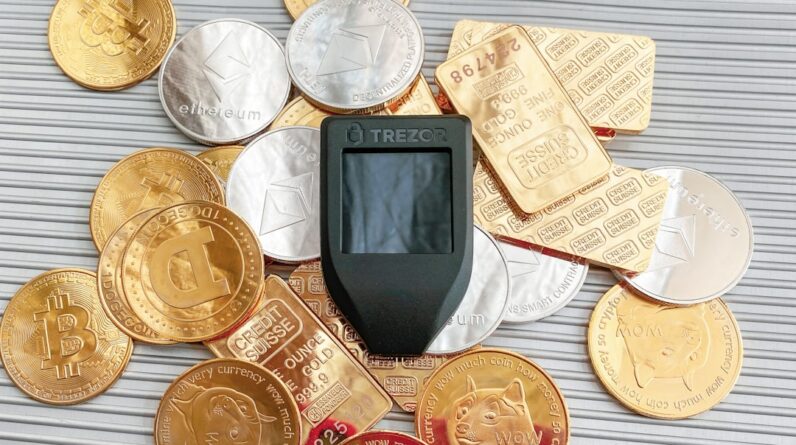
To safeguard your cryptocurrency investments, utilizing secure wallets and exchanges is paramount. Wallets serve as digital storage for your cryptocurrencies, and they come in various forms—hardware wallets, software wallets, and paper wallets. Hardware wallets are often considered the most secure option as they store your private keys offline, making them less susceptible to hacking attempts.
If you plan to hold significant amounts of cryptocurrency long-term, investing in a reputable hardware wallet can provide peace of mind. When it comes to exchanges, choosing a reputable platform is equally important. Look for exchanges with strong security measures in place, such as two-factor authentication (2FA) and cold storage for funds.
Research user reviews and feedback to gauge the exchange’s reliability and customer service quality. Additionally, consider using decentralized exchanges (DEXs) that allow peer-to-peer trading without intermediaries; these platforms can offer enhanced privacy and security compared to traditional exchanges. By prioritizing security in your choice of wallets and exchanges, you can significantly reduce the risk of losing your investments.
Developing a Long-Term Investment Strategy

Setting Clear Financial Goals
As part of your long-term strategy, set clear financial goals and establish a timeline for achieving them. Determine how much capital you are willing to invest and what returns you expect over time.
Remaining Flexible in a Changing Market
Regularly reassess your strategy based on market developments and personal circumstances; flexibility is key in adapting to changing conditions while remaining focused on your overarching objectives.
Positioning Yourself for Success
By developing a well-thought-out long-term investment strategy, you can position yourself for success in the ever-evolving cryptocurrency landscape.
Staying Informed and Updated on Market Trends
In the fast-paced world of cryptocurrency, staying informed about market trends is crucial for making sound investment decisions. The landscape can change rapidly due to regulatory developments, technological advancements, or shifts in investor sentiment. To keep yourself updated, consider following reputable news sources dedicated to cryptocurrency coverage.
Websites like CoinDesk or CoinTelegraph provide timely updates on market movements, regulatory changes, and emerging projects. Engaging with online communities can also enhance your understanding of market trends. Platforms like Reddit or Twitter host discussions among enthusiasts and experts who share insights and analyses on various cryptocurrencies.
Participating in these conversations can help you gain different perspectives and stay ahead of potential market shifts. By actively seeking out information and remaining engaged with the community, you can make more informed decisions regarding your investments.
Seeking Professional Advice and Guidance
While self-education is invaluable in the world of cryptocurrency investing, seeking professional advice can provide additional insights and guidance tailored to your specific financial situation. Financial advisors with expertise in cryptocurrencies can help you navigate complex investment strategies while considering factors such as risk tolerance and tax implications. They can also assist in developing a diversified portfolio that aligns with your long-term goals.
When selecting a financial advisor, look for professionals who have experience in cryptocurrency investments and a solid understanding of blockchain technology. Ask about their investment philosophy and how they stay updated on market trends; this will ensure that their advice is relevant and informed by current developments. By collaborating with knowledgeable professionals, you can enhance your investment strategy while gaining confidence in your decisions within the cryptocurrency space.
In conclusion, navigating the world of cryptocurrency requires a solid understanding of its fundamentals, careful risk management, and ongoing education about market trends. By identifying safe investment opportunities, utilizing secure wallets and exchanges, developing a long-term strategy, and seeking professional guidance when necessary, you can position yourself for success in this exciting yet volatile market. Remember that patience and diligence are key; as you continue to learn and adapt, you’ll be better equipped to make informed decisions that align with your financial aspirations.