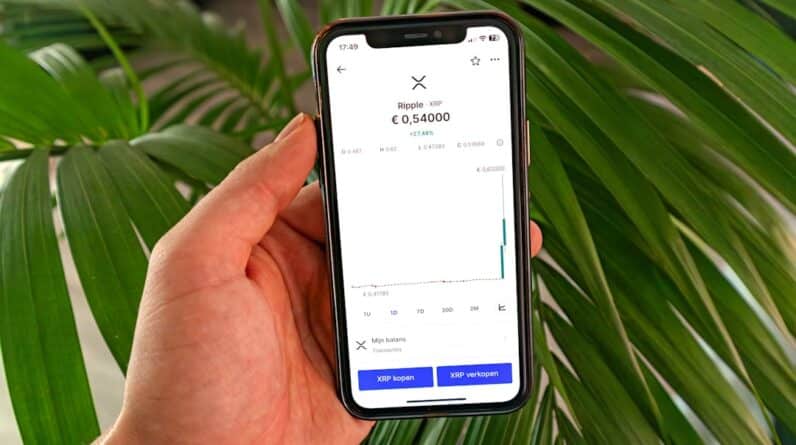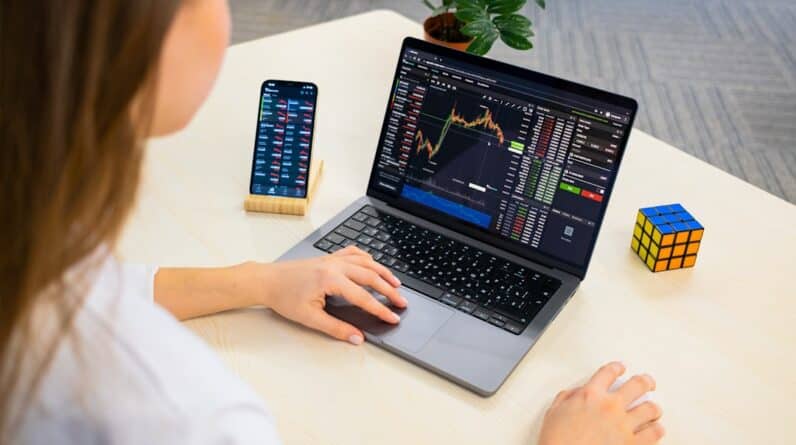
As you delve into the world of cryptocurrency, it’s crucial to grasp the inherent risks that accompany this digital frontier. The volatility of cryptocurrencies is one of the most significant factors to consider. Prices can soar to unprecedented heights one day and plummet the next, leaving investors in a state of uncertainty.
This unpredictability can be exhilarating for some, but for others, it can lead to substantial financial losses. Understanding market trends, historical data, and the factors that influence price fluctuations can help you navigate this tumultuous landscape more effectively. Moreover, the lack of regulation in the cryptocurrency market adds another layer of risk.
Unlike traditional financial systems, which are governed by strict regulations and oversight, cryptocurrencies operate in a largely unregulated environment. This absence of oversight can expose you to fraudulent schemes, scams, and unreliable exchanges. It’s essential to conduct thorough research before engaging with any platform or investment opportunity.
By familiarizing yourself with the potential pitfalls and staying informed about the latest developments in the crypto space, you can better protect your investments and make informed decisions.
Key Takeaways
- Cryptocurrency investment comes with risks such as volatility, security threats, and potential for fraud.
- Choosing the right wallet is crucial for storing and managing your cryptocurrency securely.
- Implementing strong security measures, such as two-factor authentication and strong passwords, is essential for protecting your cryptocurrency.
- Backing up your private keys is important to ensure access to your funds in case of loss or theft.
- Using multi-signature wallets adds an extra layer of security by requiring multiple approvals for transactions.
- Keeping software and hardware up to date is important to protect against vulnerabilities and security threats.
- Being cautious with public Wi-Fi and online transactions can help prevent unauthorized access to your cryptocurrency.
- Seeking professional advice is recommended for large cryptocurrency investments to ensure informed decision-making and risk management.
Choosing the Right Wallet
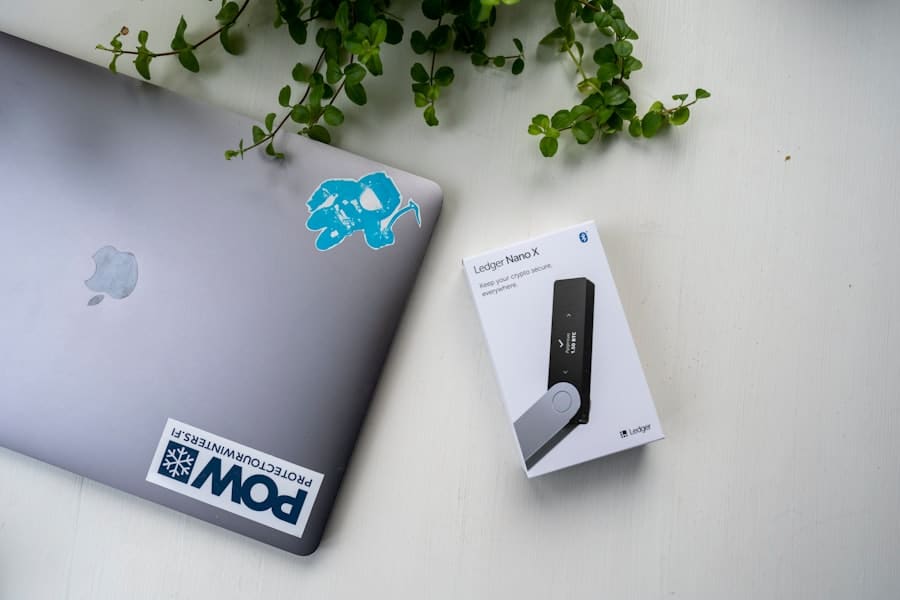
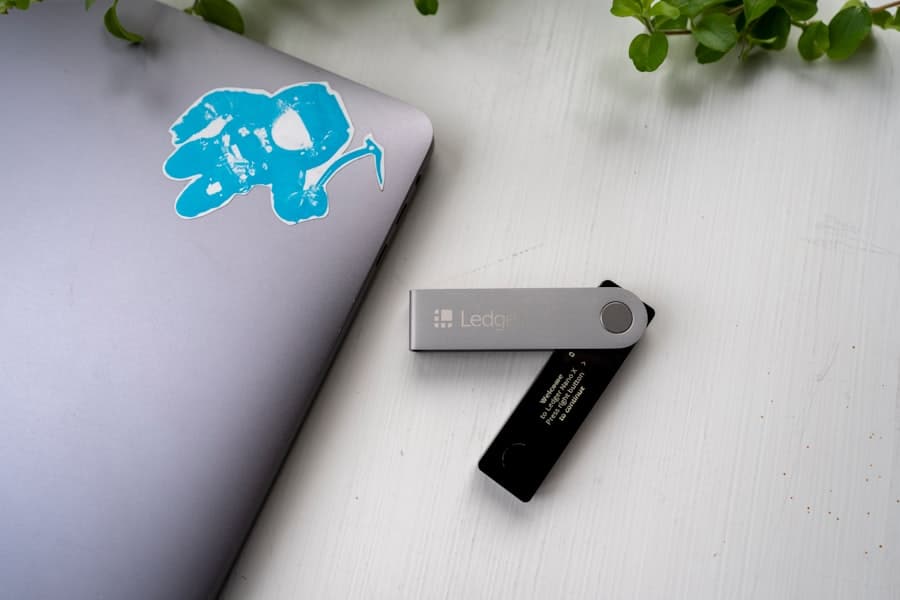
Selecting the appropriate wallet for your cryptocurrency holdings is a critical step in safeguarding your assets. There are various types of wallets available, each with its own advantages and disadvantages. Hardware wallets, for instance, offer a high level of security by storing your private keys offline.
This makes them less susceptible to hacking attempts and malware attacks. If you prioritize security above all else, investing in a reputable hardware wallet could be a wise choice. On the other hand, software wallets provide greater convenience for everyday transactions.
These wallets can be accessed via your computer or smartphone, allowing you to send and receive cryptocurrencies with ease. However, they are more vulnerable to cyber threats compared to hardware wallets. When choosing a wallet, consider your specific needs and how often you plan to use your cryptocurrencies.
Balancing security with accessibility is key to ensuring that your assets remain safe while still being readily available when you need them.
Implementing Strong Security Measures
Once you have chosen a wallet, implementing robust security measures is essential to protect your cryptocurrency investments. Start by enabling two-factor authentication (2FA) on your wallet and any associated accounts. This additional layer of security requires you to provide a second form of verification, such as a code sent to your mobile device, making it significantly harder for unauthorized users to gain access to your funds.
In addition to 2FA, consider using strong, unique passwords for all your accounts related to cryptocurrency. Avoid using easily guessable information such as birthdays or common words. Instead, opt for a combination of letters, numbers, and special characters to create a complex password that is difficult for others to crack.
Regularly updating your passwords and using a password manager can further enhance your security posture, ensuring that your digital assets remain protected from potential threats.
Backing Up Your Private Keys
Backing up your private keys is a fundamental practice that every cryptocurrency holder should prioritize. Your private keys are essentially the gateway to your digital assets; losing them could mean losing access to your funds permanently. To mitigate this risk, create multiple backups of your private keys and store them in secure locations.
Consider using encrypted USB drives or even writing them down on paper and keeping them in a safe place. It’s also wise to regularly review and update your backup methods as technology evolves. For instance, if you switch wallets or change devices, ensure that your backups reflect these changes.
By maintaining up-to-date backups of your private keys, you can safeguard against unforeseen circumstances such as hardware failures or accidental deletions, ensuring that you always have access to your cryptocurrency holdings.
Using Multi-Signature Wallets
Multi-signature wallets offer an added layer of security that can significantly enhance the protection of your cryptocurrency assets. Unlike traditional wallets that require only one signature (or private key) to authorize transactions, multi-signature wallets require multiple signatures from different private keys before a transaction can be executed. This means that even if one key is compromised, unauthorized access to your funds is still prevented.
Implementing a multi-signature wallet can be particularly beneficial if you are managing funds with partners or within an organization. By requiring multiple approvals for transactions, you can reduce the risk of fraud and ensure that all parties involved have a say in how funds are managed. This collaborative approach not only enhances security but also fosters accountability among stakeholders.
Keeping Software and Hardware Up to Date
Stay Ahead of Cybercriminals
Make it a habit to regularly check for updates on your wallet software and any associated applications. This ensures that you have the latest security patches and features that can protect you from potential threats.
Protect Your Devices
Additionally, ensure that your devices are equipped with the latest antivirus software and security patches. This provides an extra layer of protection against cybercriminals who are constantly evolving their tactics.
Enjoy Peace of Mind
By staying proactive about updates and security measures, you can significantly reduce the likelihood of falling victim to cyber threats while enjoying peace of mind as you navigate the cryptocurrency landscape.
Being Cautious with Public Wi-Fi and Online Transactions
When engaging in cryptocurrency transactions or accessing your wallet, exercising caution with public Wi-Fi networks is essential. Public Wi-Fi may seem convenient, but it often lacks adequate security measures, making it an attractive target for hackers looking to intercept sensitive information. If you must use public Wi-Fi, consider utilizing a virtual private network (VPN) to encrypt your internet connection and protect your data from prying eyes.
Furthermore, always be vigilant when conducting online transactions. Ensure that the websites you visit are secure by checking for HTTPS in the URL and looking for trust indicators such as security certificates. Avoid clicking on suspicious links or downloading unknown files that could compromise your device’s security.
By remaining cautious and adopting safe browsing habits, you can significantly reduce the risk of falling victim to cyber threats while managing your cryptocurrency investments.
Seeking Professional Advice for Large Investments
As you consider making significant investments in cryptocurrency, seeking professional advice can be invaluable in navigating this complex landscape. Financial advisors with expertise in cryptocurrencies can provide insights tailored to your specific financial goals and risk tolerance. They can help you develop a diversified investment strategy that aligns with your objectives while minimizing potential risks.
Additionally, professional advisors can assist you in understanding the tax implications associated with cryptocurrency investments. Tax regulations surrounding digital assets can be intricate and vary by jurisdiction; having an expert guide you through these complexities can save you from potential pitfalls down the line. By leveraging professional advice when making large investments, you can enhance your decision-making process and increase the likelihood of achieving favorable outcomes in the ever-evolving world of cryptocurrency.
In conclusion, navigating the world of cryptocurrency requires a comprehensive understanding of its risks and best practices for securing your investments. By choosing the right wallet, implementing strong security measures, backing up private keys, utilizing multi-signature wallets, keeping software updated, being cautious with public Wi-Fi, and seeking professional advice for large investments, you can significantly enhance your ability to protect and grow your digital assets in this dynamic environment.
FAQs
What are crypto assets?
Crypto assets are digital or virtual currencies that use cryptography for security and operate on decentralized networks based on blockchain technology. Examples include Bitcoin, Ethereum, and other cryptocurrencies.
How can I keep my crypto assets safe?
You can keep your crypto assets safe by using secure wallets, implementing strong security measures such as two-factor authentication, using hardware wallets, and being cautious of phishing scams and fraudulent websites.
What is a crypto wallet?
A crypto wallet is a digital tool that allows you to securely store, send, and receive cryptocurrencies. There are different types of wallets, including hardware wallets, software wallets, and paper wallets.
What is two-factor authentication (2FA) and how does it help keep my crypto assets safe?
Two-factor authentication is an extra layer of security that requires not only a password and username but also something that only the user has on them, such as a piece of information only they should know or have immediately to hand – such as a physical token. This helps prevent unauthorized access to your crypto assets.
What are hardware wallets and how do they keep my crypto assets safe?
Hardware wallets are physical devices that securely store the private keys necessary to access and manage your crypto assets. They are considered one of the most secure ways to store cryptocurrencies because they are not connected to the internet, making them less vulnerable to hacking.