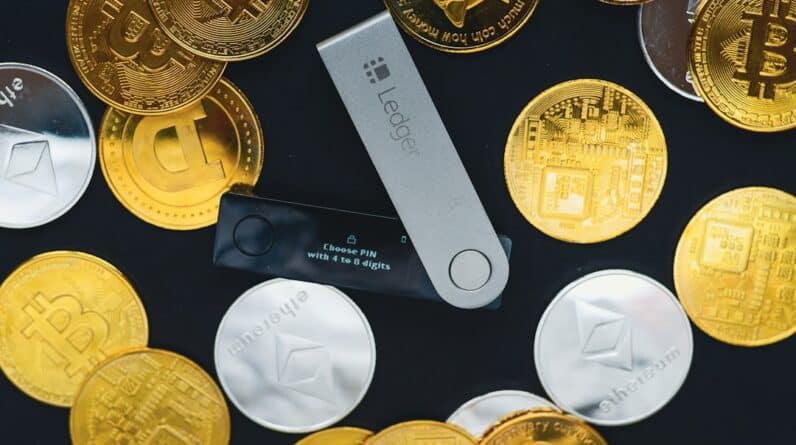
To embark on your journey into the world of cryptocurrency, it is essential to grasp the fundamental concepts that underpin this digital financial landscape. At its core, cryptocurrency is a form of digital or virtual currency that employs cryptography for security. Unlike traditional currencies issued by governments, cryptocurrencies operate on decentralized networks based on blockchain technology.
This decentralized nature means that no single entity, such as a bank or government, has control over the currency, which can lead to increased transparency and reduced transaction costs. As you delve deeper into the basics, you will encounter various types of cryptocurrencies, each with its unique features and purposes. Bitcoin, the first and most well-known cryptocurrency, was created in 2009 as a peer-to-peer electronic cash system.
Since then, thousands of alternative cryptocurrencies, often referred to as altcoins, have emerged, each aiming to solve different problems or improve upon existing technologies. Understanding these distinctions is crucial as you navigate the cryptocurrency landscape, allowing you to make informed decisions about which assets may align with your interests and investment strategy.
Key Takeaways
- Cryptocurrency is a digital or virtual form of currency that uses cryptography for security and operates independently of a central bank.
- Assess your risk tolerance before investing in cryptocurrency, as it is a highly volatile and speculative asset class.
- Research different cryptocurrencies to understand their technology, use cases, and potential for long-term value.
- Consider regulatory and legal factors, as they can impact the legality and acceptance of cryptocurrencies in different jurisdictions.
- Evaluate the technology and security of a cryptocurrency, including its blockchain infrastructure and measures to prevent hacking and fraud.
- Understand market volatility and be prepared for price fluctuations in the cryptocurrency market.
- Assess your investment goals and determine if cryptocurrency aligns with your financial objectives and time horizon.
- Seek professional advice from financial advisors or cryptocurrency experts before making investment decisions.
Assessing Your Risk Tolerance
Before you invest in cryptocurrency, it is vital to assess your risk tolerance. This involves understanding how much risk you are willing to take on and how it aligns with your financial goals. Cryptocurrencies are known for their high volatility; prices can swing dramatically in a short period.
Therefore, it is essential to evaluate your comfort level with potential losses and gains. Are you someone who can handle the emotional rollercoaster that comes with significant price fluctuations? Or do you prefer a more stable investment approach?
To gauge your risk tolerance effectively, consider your financial situation, investment experience, and time horizon. If you have a stable income and can afford to lose a portion of your investment without jeopardizing your financial security, you may be more inclined to take on higher-risk assets. Conversely, if you are new to investing or have limited financial resources, a more conservative approach may be prudent.
By understanding your risk tolerance, you can tailor your cryptocurrency investments to suit your personal circumstances and avoid making impulsive decisions driven by market emotions.
Researching Different Cryptocurrencies

Once you have a clear understanding of the basics and have assessed your risk tolerance, the next step is to research different cryptocurrencies. With thousands of options available, it can be overwhelming to determine which ones are worth your attention. Start by exploring the top cryptocurrencies by market capitalization, such as Bitcoin and Ethereum, as they tend to have more established networks and greater liquidity.
However, don’t overlook smaller projects that may offer unique value propositions or innovative technologies. When researching specific cryptocurrencies, consider factors such as their use cases, underlying technology, and the team behind the project. Look for whitepapers that outline the project’s goals and technical details.
Engaging with online communities and forums can also provide valuable insights into the sentiment surrounding a particular cryptocurrency. By conducting thorough research, you can identify projects that resonate with your investment philosophy and have the potential for long-term growth.
Considering Regulatory and Legal Factors
As you navigate the cryptocurrency landscape, it is crucial to consider the regulatory and legal factors that may impact your investments. The regulatory environment surrounding cryptocurrencies varies significantly from one country to another and is continually evolving. Some jurisdictions embrace cryptocurrencies and blockchain technology, while others impose strict regulations or outright bans.
Understanding these regulations is essential for ensuring compliance and protecting your investments. Additionally, be aware of potential legal implications related to taxation and reporting requirements. In many countries, cryptocurrencies are treated as assets for tax purposes, meaning that any gains or losses may need to be reported on your tax returns.
Familiarizing yourself with these regulations can help you avoid unexpected legal issues down the line. By staying informed about the regulatory landscape, you can make more strategic investment decisions and mitigate potential risks associated with legal uncertainties.
Evaluating the Technology and Security
The technology behind cryptocurrencies plays a significant role in their value proposition and long-term viability. As you research different cryptocurrencies, take the time to evaluate their underlying technology and security features. Blockchain technology is the backbone of most cryptocurrencies, providing a decentralized ledger that ensures transparency and security in transactions.
However, not all blockchains are created equal; some may offer faster transaction speeds or enhanced scalability compared to others. Security is another critical aspect to consider when evaluating cryptocurrencies. The rise of hacking incidents and scams in the crypto space has highlighted the importance of robust security measures.
Investigate how a cryptocurrency secures its network against potential threats and whether it has undergone any security audits. Additionally, consider how user-friendly the wallet options are for storing your assets securely. By prioritizing technology and security in your research, you can make informed decisions that align with your investment strategy.
Understanding Market Volatility

Market volatility is an inherent characteristic of the cryptocurrency space that every investor must understand. Prices can experience rapid fluctuations due to various factors such as market sentiment, regulatory news, technological advancements, or macroeconomic trends. This volatility can present both opportunities and risks; while significant price swings can lead to substantial gains, they can also result in considerable losses if not managed properly.
To navigate this volatility effectively, consider adopting strategies such as dollar-cost averaging or setting stop-loss orders to protect your investments from drastic downturns. Additionally, staying informed about market trends and news can help you anticipate potential price movements and make timely decisions. By developing a solid understanding of market volatility, you can better position yourself to capitalize on opportunities while minimizing risks associated with sudden price changes.
Assessing Your Investment Goals
As you venture into cryptocurrency investing, it is essential to define your investment goals clearly. Are you looking for short-term gains through active trading, or do you prefer a long-term buy-and-hold strategy? Understanding your objectives will guide your investment decisions and help you stay focused amidst market fluctuations.
If your goal is to accumulate wealth over time, a long-term approach may be more suitable; conversely, if you’re seeking quick profits, active trading might align better with your aspirations. Your investment goals should also reflect your overall financial plan and risk tolerance. Consider how cryptocurrency fits into your broader portfolio and whether it complements other asset classes such as stocks or bonds.
By aligning your investment goals with your financial strategy, you can create a cohesive plan that maximizes your chances of success in the dynamic world of cryptocurrency.
Seeking Professional Advice
Finally, as you navigate the complexities of cryptocurrency investing, seeking professional advice can be invaluable. Financial advisors with expertise in cryptocurrencies can provide personalized guidance tailored to your unique circumstances and goals. They can help you develop a comprehensive investment strategy that considers factors such as risk tolerance, market conditions, and regulatory considerations.
Additionally, professional advisors can assist in navigating the ever-changing landscape of cryptocurrencies by providing insights into emerging trends and potential opportunities. While self-education is crucial in this space, having an experienced professional by your side can enhance your decision-making process and provide peace of mind as you explore this exciting yet volatile market. In conclusion, entering the world of cryptocurrency requires a solid understanding of its fundamentals, careful assessment of risk tolerance, thorough research on various assets, consideration of regulatory factors, evaluation of technology and security measures, awareness of market volatility, clear investment goals, and potentially seeking professional advice.
By taking these steps thoughtfully and strategically, you can position yourself for success in this rapidly evolving financial landscape.
FAQs
What is cryptocurrency?
Cryptocurrency is a digital or virtual form of currency that uses cryptography for security and operates independently of a central bank.
What are the risks of investing in cryptocurrency?
Investing in cryptocurrency carries risks such as price volatility, regulatory uncertainty, security breaches, and potential for fraud.
What factors should I consider before investing in cryptocurrency?
Before investing in cryptocurrency, consider factors such as your risk tolerance, investment goals, understanding of the technology, and the potential for regulatory changes.
How can I secure my cryptocurrency investments?
To secure your cryptocurrency investments, consider using reputable cryptocurrency wallets, implementing strong security measures, and staying informed about potential security threats.
What are the tax implications of investing in cryptocurrency?
Investing in cryptocurrency may have tax implications, such as capital gains taxes. It’s important to consult with a tax professional to understand the tax implications of your cryptocurrency investments.
What are the different types of cryptocurrency?
There are thousands of different cryptocurrencies, with Bitcoin and Ethereum being some of the most well-known. Other types include altcoins, stablecoins, and utility tokens.
How can I stay informed about the cryptocurrency market?
To stay informed about the cryptocurrency market, consider following reputable cryptocurrency news sources, joining online communities, and conducting thorough research before making investment decisions.