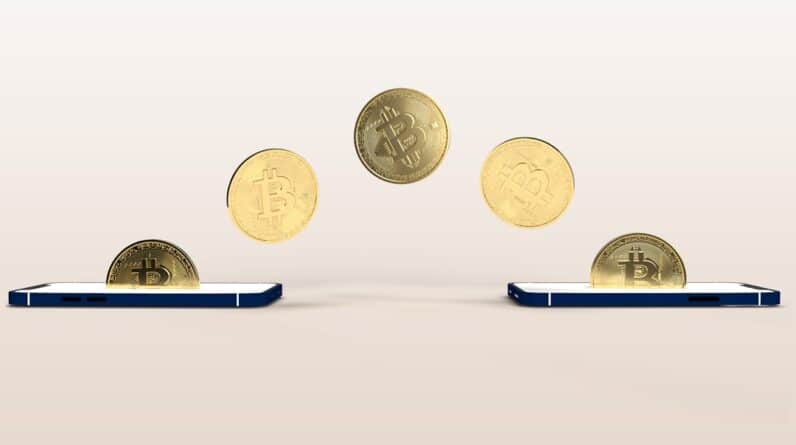
As you embark on your journey into the world of cryptocurrency, it’s essential to grasp the fundamental concepts that underpin this digital revolution. Cryptocurrency is a form of digital or virtual currency that uses cryptography for security, making it nearly impossible to counterfeit or double-spend. Unlike traditional currencies issued by governments, cryptocurrencies operate on decentralized networks based on blockchain technology.
This means that transactions are recorded on a public ledger, ensuring transparency and security without the need for a central authority. You may find it fascinating that the first and most well-known cryptocurrency, Bitcoin, was created in 2009 by an anonymous person or group known as Satoshi Nakamoto. Since then, thousands of alternative cryptocurrencies, often referred to as altcoins, have emerged, each with unique features and purposes.
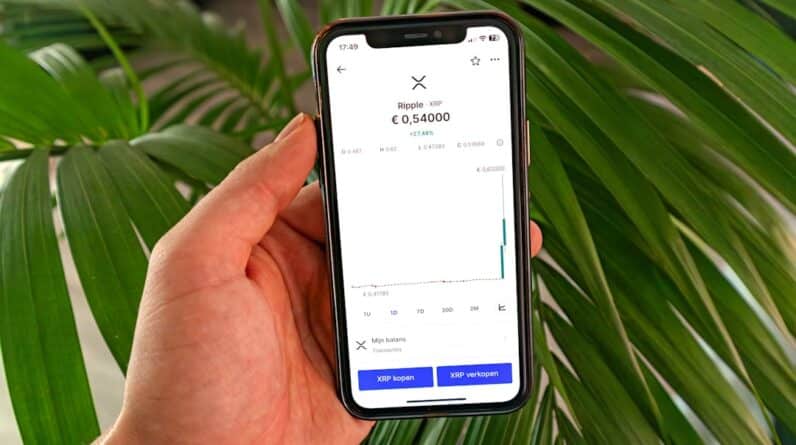
Understanding the various types of cryptocurrencies—such as Ethereum, Ripple, and Litecoin—can help you make informed decisions about which ones to invest in or use for transactions. As you delve deeper into this realm, you’ll discover how cryptocurrencies can serve various functions, from facilitating peer-to-peer transactions to powering decentralized applications.
Key Takeaways
- Cryptocurrency is a digital or virtual form of currency that uses cryptography for security and operates independently of a central bank.
- When choosing a cryptocurrency exchange, consider factors such as security, fees, available cryptocurrencies, and user interface.
- Setting up a wallet is essential for storing and managing your cryptocurrency, and there are different types of wallets such as hardware, software, and paper wallets.
- Verifying your identity is often required by cryptocurrency exchanges to comply with regulations and prevent fraud and money laundering.
- Making a purchase with cryptocurrency involves using your wallet to send the desired amount to the recipient’s wallet address.
Choosing a Cryptocurrency Exchange
Once you have a solid understanding of what cryptocurrency is, the next step is to choose a cryptocurrency exchange where you can buy, sell, and trade these digital assets. The exchange you select plays a crucial role in your overall experience, as it affects everything from transaction fees to the variety of cryptocurrencies available. You’ll want to consider factors such as security measures, user interface, and customer support when making your choice.
There are two main types of exchanges: centralized and decentralized. Centralized exchanges act as intermediaries between buyers and sellers, providing a user-friendly platform for trading. However, they also require you to trust them with your funds and personal information.
On the other hand, decentralized exchanges allow you to trade directly with other users without the need for an intermediary, offering greater privacy and control over your assets. As you weigh your options, think about what features are most important to you and how comfortable you are with the associated risks.
Setting Up a Wallet
After selecting an exchange, the next step is to set up a cryptocurrency wallet. A wallet is a digital tool that allows you to store, send, and receive cryptocurrencies securely. There are several types of wallets available, each with its own advantages and disadvantages.
For instance, hardware wallets are physical devices that store your private keys offline, providing an extra layer of security against hacking attempts. Conversely, software wallets are applications that can be installed on your computer or smartphone, offering convenience but potentially exposing you to online threats. When setting up your wallet, it’s crucial to prioritize security.
Make sure to choose a wallet that offers strong encryption and two-factor authentication (2FA) to protect your assets. Additionally, consider backing up your wallet by writing down your recovery phrase or seed phrase in a safe place. This phrase is essential for recovering your wallet in case you lose access to it.
By taking these precautions, you can ensure that your cryptocurrency remains secure as you navigate this exciting new landscape.
Verifying Your Identity
Before you can start trading on most cryptocurrency exchanges, you will need to verify your identity. This process is known as Know Your Customer (KYC) and is designed to prevent fraud and comply with regulatory requirements. While this step may seem tedious, it’s an essential part of ensuring the safety and legitimacy of the trading environment.
To complete the verification process, you will typically need to provide personal information such as your name, address, date of birth, and a government-issued identification document like a passport or driver’s license. Some exchanges may also require additional documentation, such as proof of address in the form of a utility bill or bank statement. Once you submit this information, the exchange will review it and notify you when your account is verified.
While waiting for approval can be frustrating, remember that this step is crucial for protecting both yourself and the broader cryptocurrency community.
Making a Purchase
With your account set up and verified, you’re now ready to make your first cryptocurrency purchase. The process is generally straightforward: you’ll need to deposit funds into your exchange account using a bank transfer or credit card. Once your funds are available, navigate to the trading section of the platform where you can select the cryptocurrency you wish to buy.
As you place your order, consider whether you want to execute a market order or a limit order. A market order allows you to buy at the current market price, while a limit order lets you set a specific price at which you’re willing to buy. Understanding these options will help you make more strategic decisions based on market conditions.
After confirming your purchase, the cryptocurrency will be credited to your exchange wallet. However, it’s advisable not to leave your assets on the exchange for long periods due to potential security risks.
Storing Your Cryptocurrency

Once you’ve made your purchase, it’s time to think about how you’ll store your cryptocurrency securely. While exchanges provide wallets for holding your assets temporarily, they are not the safest option for long-term storage due to their vulnerability to hacks and breaches. Instead, consider transferring your cryptocurrency to a more secure wallet type.
As mentioned earlier, hardware wallets are an excellent choice for long-term storage because they keep your private keys offline and away from potential online threats. Alternatively, if you’re looking for convenience and ease of access for smaller amounts of cryptocurrency that you plan to trade frequently, software wallets can be suitable as long as you implement strong security measures like 2FRegardless of which option you choose, always remember that safeguarding your private keys is paramount; losing them means losing access to your funds permanently.
Monitoring Your Investment
With your cryptocurrency securely stored, it’s essential to keep an eye on your investment over time. The cryptocurrency market is known for its volatility; prices can fluctuate dramatically within short periods. To stay informed about market trends and price movements, consider using various tools and resources available online.
You can utilize price tracking apps or websites that provide real-time updates on cryptocurrency prices and market capitalization. Additionally, following news outlets and social media channels dedicated to cryptocurrency can help you stay updated on developments that may impact the market. By actively monitoring your investments and staying informed about market trends, you’ll be better equipped to make timely decisions regarding buying or selling your assets.
Understanding the Risks and Security Measures
While investing in cryptocurrency can be exciting and potentially lucrative, it’s crucial to understand the risks involved in this volatile market. Prices can swing wildly based on market sentiment, regulatory news, or technological advancements. Therefore, it’s essential to only invest what you can afford to lose and diversify your portfolio to mitigate risks.
In addition to market volatility, security risks also pose significant challenges in the cryptocurrency space. Cyberattacks targeting exchanges and wallets are not uncommon; therefore, implementing robust security measures is vital for protecting your assets. Always use strong passwords and enable two-factor authentication wherever possible.
Furthermore, consider keeping most of your holdings in cold storage (offline) rather than leaving them on exchanges or hot wallets (online). By being aware of these risks and taking proactive steps to secure your investments, you’ll be better positioned for success in the ever-evolving world of cryptocurrency. In conclusion, navigating the world of cryptocurrency requires careful consideration and informed decision-making at every step—from understanding what cryptocurrency is to choosing an exchange and securing your investments.
By following these guidelines and remaining vigilant about market trends and security measures, you’ll be well-equipped to embark on your cryptocurrency journey with confidence.
FAQs
What is cryptocurrency?
Cryptocurrency is a digital or virtual form of currency that uses cryptography for security and operates independently of a central bank.
How can I buy cryptocurrency?
You can buy cryptocurrency through online cryptocurrency exchanges, peer-to-peer platforms, or through cryptocurrency ATMs.
What do I need to buy cryptocurrency?
To buy cryptocurrency, you will need a digital wallet to store your coins, a secure internet connection, and a form of payment such as a credit card, debit card, or bank transfer.
Are there different types of cryptocurrency to buy?
Yes, there are thousands of different cryptocurrencies available for purchase, including well-known ones like Bitcoin and Ethereum, as well as lesser-known altcoins.
Is it safe to buy cryptocurrency?
Buying cryptocurrency comes with risks, including price volatility and security concerns. It’s important to do thorough research and use reputable platforms when buying and storing cryptocurrency.
Can I buy a fraction of a cryptocurrency?
Yes, most cryptocurrencies are divisible into smaller units, allowing you to buy fractions of a coin if you cannot afford a whole one.
Do I need to pay taxes on cryptocurrency purchases?
Tax laws regarding cryptocurrency vary by country, but in many places, buying and selling cryptocurrency is subject to capital gains taxes. It’s important to consult with a tax professional to understand your obligations.