Can you imagine a world where every dollar donated to charity is maximized for impact, transparency, and efficiency? With the rise of cryptocurrency, this dream might not be as far-fetched as it seems. In recent years, the way we think about charitable giving has been evolving, sparking conversations about how blockchain technology and digital currencies can redefine philanthropy.
Understanding Cryptocurrency
To grasp how cryptocurrency can influence charitable giving, it’s important to first understand what cryptocurrency is. At its core, cryptocurrency is a type of digital or virtual currency that uses cryptography for security. Unlike traditional currencies issued by governments, cryptocurrencies operate on decentralized networks based on blockchain technology.
The Basics of Blockchain
Blockchain is a distributed ledger technology that records transactions across many computers. This ensures that the record of transactions is secure, transparent, and immutable. Each block in the chain contains a list of transactions, and once a block is filled, it gets added to the chain in a way that it cannot be altered or deleted. This transparency is one of the main features that could revolutionize charitable donations.
Key Features of Cryptocurrency
-
Decentralization: As mentioned, cryptocurrencies are not controlled by any centralized authority. This can lead to a more democratic process in handling charitable funds.
-
Transparency: Every transaction made using cryptocurrency is recorded on a public ledger. This allows donors to see how their contributions are being used, which can build trust in charitable organizations.
-
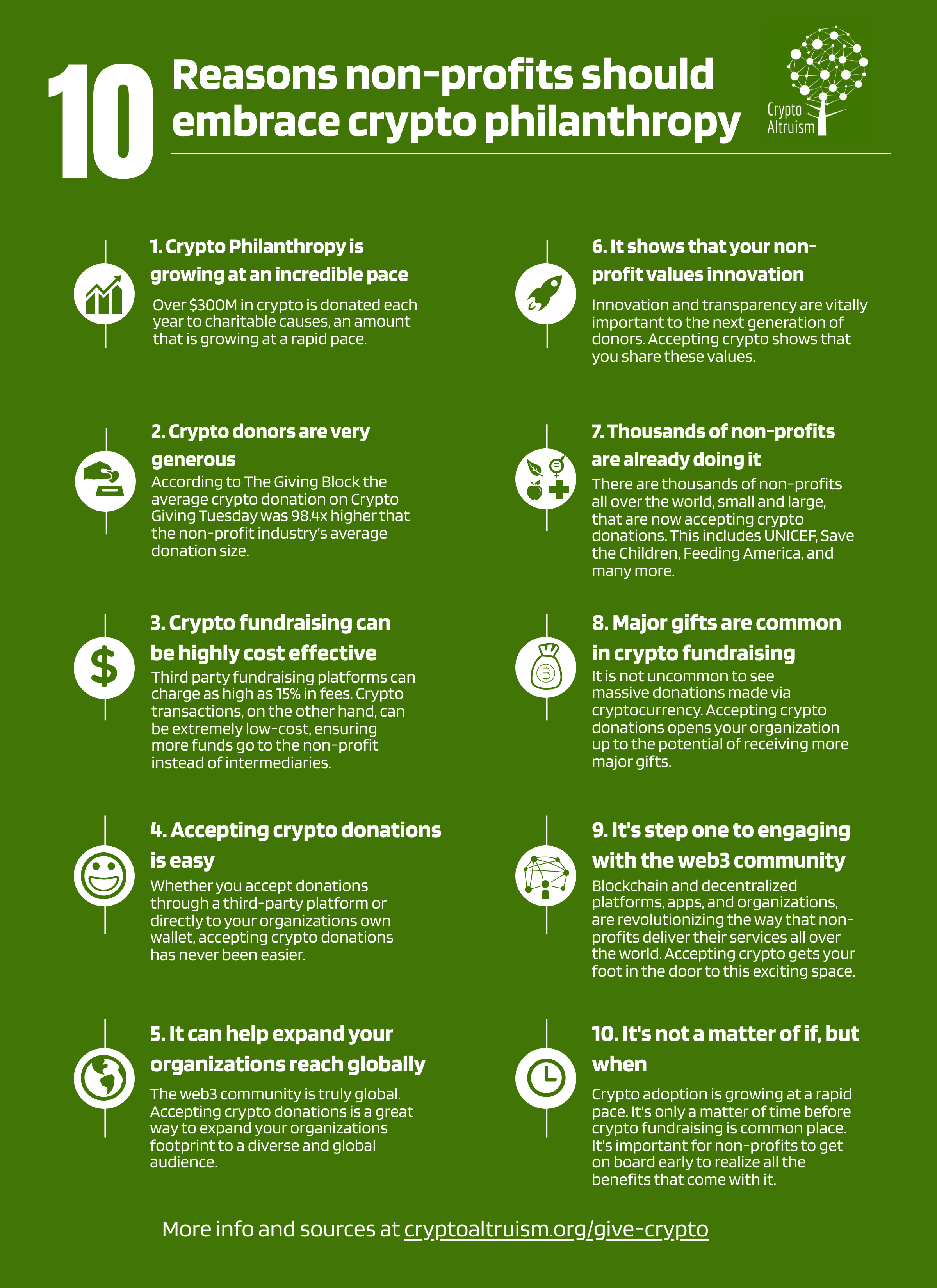
Low Transaction Fees: Often, cryptocurrency transactions incur lower fees compared to traditional banking systems. This could mean that more of your donation goes directly to the intended cause rather than being eaten up by processing fees.
-
Global Accessibility: Cryptocurrencies can be sent and received anywhere in the world without the need for a bank. This opens avenues for charitable organizations to accept donations from a broader audience, regardless of geographical barriers.

Efficiency in Charity
Charity has long been a noble endeavor, yet inefficiencies have plagued the system for decades. There are numerous layers that contributions must pass through before reaching those in need, which can result in delays and mismanagement. Let’s break down the current inefficiencies and explore how crypto can potentially address them.
The Challenge of Trust
One of the biggest challenges in charity is the lack of trust. Donors often worry that their contributions won’t be used effectively. Scandals involving mismanagement of funds can tarnish the reputation of entire organizations. Cryptocurrency can address these issues through its transparent nature.
How Crypto Promotes Transparency
When donors contribute using cryptocurrency, they can track the transaction on the blockchain. This means they can see exactly how their funds are being utilized in real-time, whether it’s going toward a specific project or being pooled for broader needs. This level of transparency can instill greater confidence in donors.
Reduced Administrative Costs
Many charities operate on thin margins, with a significant percentage of donations going toward administrative costs rather than directly to the cause. Crypto transactions typically have lower fees than traditional financial systems, meaning more of your dollar goes where it’s needed most.
Speed of Transactions
Traditional banking can slow down the process of transferring funds, especially when international donations are involved. Cryptocurrency transactions can occur almost instantaneously. This means that when a disaster strikes or urgent funds are needed, help can be delivered more quickly.
Case Studies of Crypto in Charity
Looking at real-world examples can help illustrate how cryptocurrency is beginning to reshape the charity landscape.
The Giving Block
The Giving Block is a platform that allows nonprofits to accept cryptocurrency donations. They work with a variety of organizations and facilitate donations in Bitcoin, Ethereum, and other cryptocurrencies. This service not only helps charities diversify their funding sources but also appeals to a growing demographic of crypto-savvy donors.
Impact
By accepting cryptocurrencies, organizations have reportedly seen increases in donation amounts and frequency. Donors who are invested in the crypto market often feel more inclined to give because of potential tax benefits and the emotional satisfaction of supporting causes through assets they believe in.
Bitcoin for Charity
Bitcoin has emerged as a popular choice for charitable donations, with several high-profile organizations accepting it. The Water Project, for instance, accepts Bitcoin donations to help provide clean water projects in Africa.
Impact
By accepting Bitcoin, The Water Project has not only bolstered its funding but also tapped into a global audience of potential supporters who prefer using digital currencies. Their clear messaging around the use of funds has further bolstered donor confidence.

Challenges of Using Crypto in Charity
While there are promising benefits, it’s essential to address the challenges that come with using cryptocurrency for charitable purposes.
Volatility
Cryptocurrencies are known for their price volatility. The value of Bitcoin, for instance, can fluctuate dramatically in a single day. For charities, this could mean that the value of donations could drop before they are utilized.
Legal and Regulatory Issues
The legal landscape surrounding cryptocurrencies is still evolving. Some regions have stringent regulations that could affect how charities can accept and use crypto. Before organizations dive in, they need to be aware of legal implications.
Education and Awareness
Not everyone is familiar with cryptocurrencies. For donors who are used to traditional forms of giving, the idea of using digital currency might seem daunting. Charities must invest time and effort into educating their supporters about how it works and why it’s beneficial.

The Future of Charity and Crypto
As more digital currencies gain traction, the intersection of cryptocurrency and charity is likely to evolve further. Here’s what we might expect in the coming years.
Increasing Acceptance
As more organizations begin to realize the benefits of accepting cryptocurrency, it’s likely that acceptance will become widespread. Larger nonprofits will set precedents that smaller organizations can follow, resulting in broader industry acceptance.
Enhanced Platforms for Giving
We may see the emergence of dedicated platforms focused solely on crypto donations, similar to how crowdfunding sites have developed. These platforms could provide the tools necessary for both charities and donors, streamlining the giving process.
Integration of DeFi (Decentralized Finance)
Decentralized finance, or DeFi, could play a significant role in transforming how charities manage their funds. Imagine decentralized donation models where funds are allocated in real-time based on transparent smart contracts. This could create efficiencies that traditional systems lack.

Conclusion: A New Dawn for Philanthropy
As we’ve seen, cryptocurrency has the potential to revolutionize the way charity operates. Its transparency, low fees, and efficiency stand in stark contrast to many traditional practices. While challenges remain, the momentum is building toward a more innovative charitable landscape.
The long-term implications of adopting cryptocurrency in charity could lead to a more effective delivery of aid, greater accountability for organizations, and perhaps most importantly, renewed faith in the philanthropic process.
In a world where your dollar counts more than ever, it’s an exciting possibility. Imagine a future where, through the power of blockchain and digital currencies, every contribution you make makes an immediate, measurable difference. It’s not just a hope—it’s becoming a reality, and the journey is just beginning.