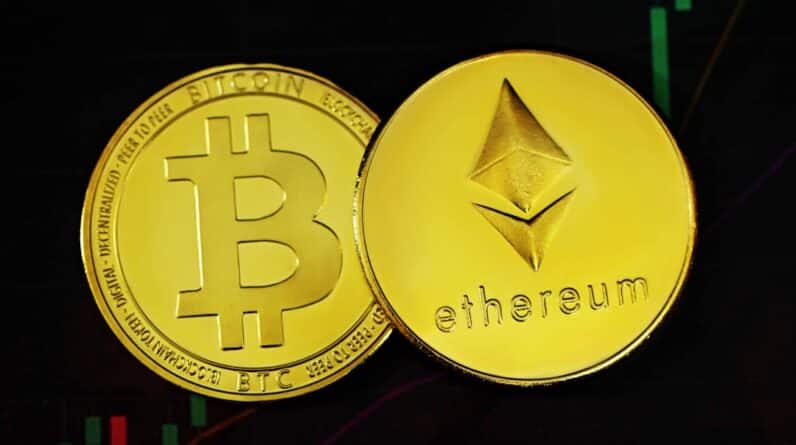
In the realm of digital finance, decentralization stands as a cornerstone of security. When you engage with decentralized systems, you are participating in a network that operates without a central authority. This means that your transactions and data are not stored in a single location, making it significantly harder for malicious actors to compromise the system.
Instead of relying on a single entity to safeguard your assets, decentralization distributes control across a vast network of participants. This distribution enhances security by reducing the risk of a single point of failure, which is often a vulnerability in traditional financial systems. Moreover, the decentralized nature of blockchain technology ensures that your transactions are immutable and transparent.
Once a transaction is recorded on the blockchain, it cannot be altered or deleted. This feature not only protects you from fraud but also instills a sense of trust in the system. You can verify transactions independently, which empowers you to take control of your financial dealings.
In an age where data breaches and identity theft are rampant, the security offered by decentralized systems is a significant advantage that cannot be overlooked.
Key Takeaways
- Decentralization and security are key features of blockchain technology, providing a more secure and tamper-proof system for transactions.
- Borderless transactions are made possible through blockchain, allowing for seamless and efficient cross-border payments and transfers.
- Transparency and traceability are inherent in blockchain technology, providing a clear and immutable record of transactions for all parties involved.
- Lower transaction costs are a benefit of blockchain technology, as it eliminates the need for intermediaries and reduces fees associated with traditional financial transactions.
- Accessibility and inclusivity are promoted through blockchain technology, as it allows for financial services to reach unbanked and underbanked populations.
Borderless Transactions
One of the most compelling aspects of decentralized finance is its ability to facilitate borderless transactions. Imagine being able to send money to anyone, anywhere in the world, without the constraints imposed by traditional banking systems. With decentralized platforms, you can conduct transactions across borders with ease and efficiency.
This capability is particularly beneficial for individuals in developing countries who may not have access to conventional banking services. You can send and receive funds without worrying about exchange rates or exorbitant fees that often accompany international transfers. Additionally, borderless transactions empower you to engage in global commerce like never before.
Whether you are a freelancer offering services to clients overseas or an entrepreneur looking to expand your business internationally, decentralized finance provides the tools you need to operate seamlessly across borders. The elimination of intermediaries not only speeds up the transaction process but also reduces costs, allowing you to retain more of your earnings. In a world that is increasingly interconnected, the ability to transact freely across borders is a game-changer.
Transparency and Traceability

Transparency and traceability are fundamental principles that underpin decentralized finance. When you participate in a decentralized network, every transaction is recorded on a public ledger that is accessible to all participants. This level of transparency ensures that you can verify the authenticity of transactions and track the flow of funds with ease.
Unlike traditional financial systems, where information is often obscured or difficult to access, decentralized platforms provide you with a clear view of your financial activities. The traceability offered by blockchain technology also has significant implications for accountability. In an era where financial misconduct can have devastating consequences, the ability to trace transactions back to their origin fosters trust among participants.
You can rest assured that your funds are being used as intended, and any discrepancies can be quickly identified and addressed. This level of transparency not only benefits individual users but also enhances the overall integrity of the financial system.
Lower Transaction Costs
One of the most attractive features of decentralized finance is its potential for lower transaction costs. Traditional financial institutions often impose hefty fees for processing transactions, especially when it comes to international transfers or currency exchanges. However, when you utilize decentralized platforms, these intermediaries are eliminated, allowing you to keep more of your hard-earned money.
The reduced overhead costs associated with decentralized systems translate into significant savings for you as a user. Furthermore, lower transaction costs open up new opportunities for microtransactions and small-scale investments. You can engage in financial activities that were previously deemed impractical due to high fees.
For instance, if you want to support a local artist or invest in a startup, decentralized finance allows you to do so without worrying about prohibitive costs. This democratization of finance empowers you to make choices that align with your values and interests while maximizing your financial potential.
Accessibility and Inclusivity
Decentralized finance champions accessibility and inclusivity in ways that traditional banking systems often fail to achieve. If you have ever felt excluded from the financial system due to geographical limitations or lack of identification, decentralized platforms offer a solution. With just an internet connection and a digital wallet, you can access a wide range of financial services without the need for extensive documentation or approval processes.
This opens doors for individuals who have been historically marginalized or underserved by conventional banks. Moreover, the inclusivity of decentralized finance extends beyond geographical boundaries. It empowers individuals from diverse backgrounds to participate in the global economy on their terms.
Whether you are a student looking to invest your savings or an entrepreneur seeking funding for your startup, decentralized platforms provide equal opportunities for all. This shift towards inclusivity not only benefits individuals but also fosters economic growth and innovation within communities that have been left behind.
Programmable Money

Streamlined Transactions and Reduced Disputes
Imagine setting up a contract that releases payment only when specific milestones are achieved; this level of automation streamlines transactions and reduces the potential for disputes.
Customized Financial Agreements
Programmable money also allows for innovative financial products and services that cater to your unique needs. You can customize financial agreements based on your preferences, whether it’s creating savings plans with specific goals or developing investment strategies tailored to your risk tolerance.
Taking Control of Your Financial Future
The flexibility offered by programmable money empowers you to take control of your financial future in ways that were previously unimaginable.
Potential for Innovation and Disruption
The rise of decentralized finance heralds a new era of innovation and disruption within the financial sector. As you explore this landscape, you’ll discover countless opportunities for creative solutions that challenge traditional norms. Startups and established companies alike are leveraging blockchain technology to develop novel financial products that cater to evolving consumer demands.
From decentralized lending platforms to innovative insurance models, the possibilities are virtually limitless. This wave of innovation not only benefits consumers like you but also encourages competition among service providers. As new players enter the market with fresh ideas and approaches, traditional institutions are compelled to adapt or risk becoming obsolete.
This dynamic fosters an environment where creativity thrives, ultimately leading to better services and lower costs for users across the board.
Integration with Emerging Technologies
The future of decentralized finance is intricately linked with emerging technologies such as artificial intelligence (AI), the Internet of Things (IoT), and big data analytics. As these technologies continue to evolve, they will enhance the capabilities of decentralized platforms and create new opportunities for users like you. For instance, AI can be utilized to analyze market trends and provide personalized investment recommendations based on your preferences and risk tolerance.
Additionally, the integration of IoT devices with decentralized finance could revolutionize how transactions are conducted in real-time. Imagine being able to make payments automatically when certain conditions are met—such as paying for utilities based on actual usage tracked by smart meters. This seamless interaction between technology and finance will redefine convenience and efficiency in your everyday transactions.
In conclusion, as you navigate the world of decentralized finance, it becomes clear that its benefits extend far beyond mere convenience. From enhanced security through decentralization to the promise of lower transaction costs and increased accessibility, these innovations are reshaping how you engage with money and financial services. The potential for programmable money and integration with emerging technologies further amplifies this transformation, paving the way for a future where financial empowerment is within everyone’s reach.
Embracing these changes not only positions you at the forefront of this financial revolution but also allows you to contribute to a more inclusive and innovative economic landscape.
FAQs
What is digital currency?
Digital currency is a type of currency that is available only in digital or electronic form, and not in physical form. It is decentralized and typically operates on a technology called blockchain.
What makes digital currency transcendent?
Digital currency is considered transcendent because it transcends traditional banking systems and physical currencies. It allows for borderless and instantaneous transactions, lower fees, and increased financial inclusion for individuals who may not have access to traditional banking services.
How does digital currency operate?
Digital currency operates on a technology called blockchain, which is a decentralized and distributed ledger that records all transactions across a network of computers. This technology ensures transparency, security, and immutability of transactions.
What are the benefits of digital currency?
Some benefits of digital currency include lower transaction fees, faster and borderless transactions, increased financial inclusion, and the potential for financial innovation and disruption of traditional banking systems.
What are some examples of digital currencies?
Some examples of digital currencies include Bitcoin, Ethereum, Ripple, Litecoin, and many others. These currencies operate on their own blockchain networks and have varying use cases and functionalities.