
In today’s rapidly evolving digital landscape, accessibility and inclusivity have emerged as paramount concerns. You may find that traditional financial systems often exclude vast segments of the population, particularly those in underbanked or marginalized communities. The advent of blockchain technology and cryptocurrencies has the potential to bridge this gap, offering a more inclusive financial ecosystem.
By leveraging decentralized platforms, you can engage in financial transactions without the barriers imposed by conventional banking systems. This democratization of finance allows individuals from diverse backgrounds to participate in economic activities that were previously out of reach. Moreover, the user-friendly interfaces of many blockchain applications are designed with accessibility in mind.
You might notice that these platforms often provide multilingual support and simplified processes, making it easier for individuals with varying levels of technological proficiency to engage. This focus on inclusivity not only empowers users but also fosters a sense of community among participants. As you explore these digital spaces, you may find that the collaborative nature of blockchain encourages shared learning and support, further enhancing the overall experience for everyone involved.
Key Takeaways
- Accessibility and inclusivity are key principles of blockchain technology, allowing for participation from a wide range of individuals and communities.
- Decentralization and peer-to-peer transactions enable direct and secure exchanges without the need for intermediaries, promoting financial autonomy and efficiency.
- Transparency and accountability are inherent in blockchain systems, providing a clear and immutable record of transactions and activities.
- Community governance and consensus mechanisms empower stakeholders to collectively make decisions and validate transactions, fostering a more democratic and equitable system.
- Financial independence and empowerment are promoted through blockchain technology, offering individuals greater control over their assets and financial activities.
Decentralization and Peer-to-Peer Transactions
Decentralization is one of the most revolutionary aspects of blockchain technology, fundamentally altering how you perceive financial transactions. In a decentralized system, you are no longer reliant on a central authority or intermediary to facilitate your transactions. This shift empowers you to engage in peer-to-peer transactions directly, eliminating the need for banks or payment processors.
As a result, you can enjoy lower fees and faster transaction times, making financial interactions more efficient and cost-effective. The implications of decentralization extend beyond mere convenience; they also promote a sense of autonomy and control over your financial assets. You may appreciate the fact that, in a decentralized network, your funds are not subject to the whims of a central authority.
This newfound freedom allows you to manage your finances on your terms, fostering a sense of ownership and responsibility. Additionally, the peer-to-peer nature of these transactions encourages trust among users, as you can verify the legitimacy of each transaction through the transparent nature of blockchain technology.
Transparency and Accountability
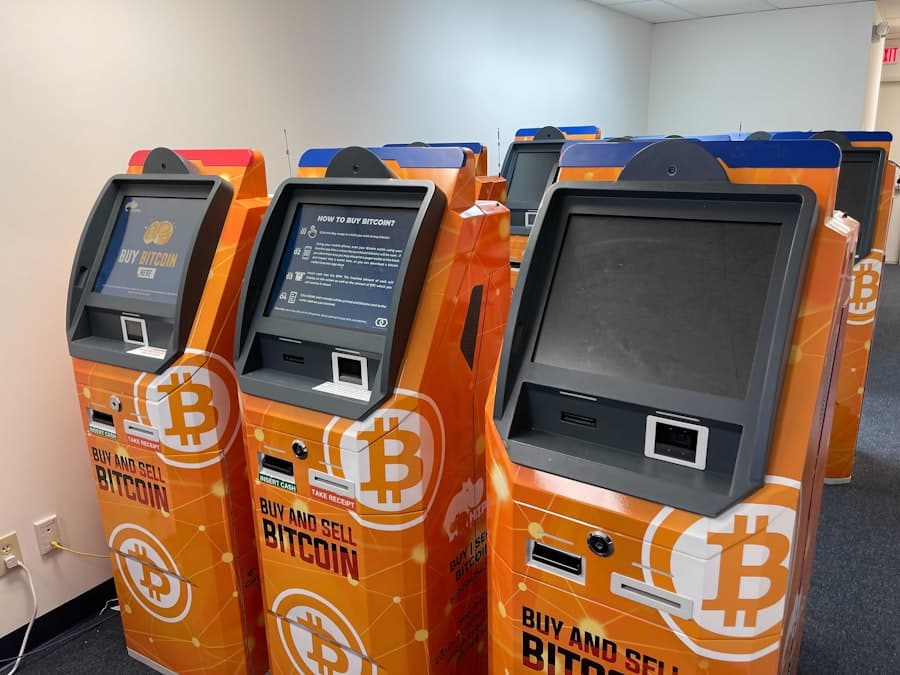
Transparency is a cornerstone of blockchain technology that significantly enhances accountability within financial systems. When you engage with blockchain networks, every transaction is recorded on a public ledger that is accessible to all participants. This level of transparency ensures that you can trace the flow of funds and verify transactions without relying on third-party intermediaries.
As a result, you can feel more confident in the integrity of the system, knowing that all actions are documented and can be audited at any time. Furthermore, this transparency fosters a culture of accountability among users. In traditional financial systems, it can be challenging to hold institutions accountable for their actions due to opaque practices and complex hierarchies.
However, in a decentralized environment, you have the power to scrutinize transactions and hold individuals or organizations responsible for their actions. This shift not only enhances trust among participants but also encourages ethical behavior within the community, as users are aware that their actions are subject to public scrutiny.
Community Governance and Consensus Mechanisms
Community governance is an essential aspect of decentralized networks that empowers you to have a say in the decision-making processes that affect your financial ecosystem. Unlike traditional systems where decisions are made by a select few individuals or institutions, decentralized networks often employ consensus mechanisms that allow all participants to contribute to governance. This democratic approach ensures that your voice matters and that you can influence the direction of the community.
Consensus mechanisms vary across different blockchain platforms, but they all share a common goal: to achieve agreement among participants on the state of the network. Whether through proof-of-work, proof-of-stake, or other innovative methods, these mechanisms enable you to engage in governance actively. By participating in voting or discussions about proposed changes or upgrades, you can help shape the future of the network.
This sense of ownership not only enhances your connection to the community but also fosters a collaborative spirit where everyone works together toward common goals.
Financial Independence and Empowerment
One of the most significant benefits of engaging with decentralized finance (DeFi) is the potential for financial independence and empowerment. You may find that traditional banking systems often impose restrictions on access to funds or limit your ability to invest in certain opportunities. However, with DeFi platforms, you have the freedom to manage your finances without these constraints.
This newfound independence allows you to explore various investment options, lending protocols, and yield farming opportunities that were previously inaccessible. Moreover, this empowerment extends beyond individual financial growth; it also promotes economic resilience within communities. As you participate in decentralized finance, you contribute to a more equitable distribution of wealth and resources.
By supporting projects that prioritize social impact or investing in local initiatives, you can help create a more sustainable economic environment for yourself and others. This shift toward financial independence not only enhances your personal wealth but also fosters a sense of responsibility toward building a better future for your community.
Global Reach and Borderless Transactions
Seamless Global Transactions with Blockchain Technology
Blockchain technology offers a solution to these problems by enabling seamless global transactions without the need for intermediaries. With cryptocurrencies, you can send and receive funds across borders in real-time, often at a fraction of the cost associated with traditional methods.
New Opportunities for Businesses and Individuals
This capability opens up new opportunities for businesses and individuals alike, allowing you to engage in global commerce without being hindered by geographical limitations. Whether you’re an entrepreneur looking to expand your customer base or an individual looking to send money to loved ones abroad, blockchain technology makes it possible.
A More Interconnected Global Economy
As you explore this borderless landscape, you may find that it fosters greater collaboration and innovation among diverse communities, ultimately contributing to a more interconnected global economy.
Privacy and Security
In an age where data breaches and privacy concerns are rampant, blockchain technology offers a unique solution that prioritizes both privacy and security. When you engage with decentralized networks, your personal information is not tied to your transactions in the same way it is with traditional financial systems. Instead, blockchain operates on pseudonymous addresses that protect your identity while still allowing for transparency within the network.
This enhanced privacy is particularly appealing in an era where individuals are increasingly concerned about how their data is used and shared. You may appreciate knowing that your financial activities are not subject to surveillance or exploitation by third parties. Additionally, blockchain’s inherent security features—such as cryptographic encryption—make it significantly more difficult for malicious actors to compromise your assets or manipulate transactions.
As you navigate this secure environment, you can feel more confident in your ability to protect your financial information.
Innovation and Technological Advancements
The rapid pace of innovation within the blockchain space is nothing short of remarkable. As you delve deeper into this world, you’ll discover a plethora of technological advancements designed to enhance user experience and expand the capabilities of decentralized networks. From smart contracts that automate complex agreements to layer-two solutions that improve scalability, these innovations are reshaping how you interact with finance.
Moreover, the ongoing development of decentralized applications (dApps) is creating new opportunities for engagement across various sectors—from gaming and entertainment to supply chain management and healthcare. As you explore these dApps, you’ll likely find that they offer unique solutions tailored to specific needs within their respective industries. This spirit of innovation not only enhances your experience as a user but also drives the entire ecosystem forward, paving the way for a more efficient and inclusive future.
In conclusion, as you navigate the world of blockchain technology and decentralized finance, you’ll encounter numerous benefits that enhance accessibility, promote transparency, and empower individuals like yourself. The shift toward decentralization fosters community governance and encourages active participation in decision-making processes. With financial independence at your fingertips and the ability to conduct borderless transactions securely, you’re poised to take advantage of this transformative landscape.
Embrace the innovations and advancements that lie ahead; they hold the promise of a more equitable and inclusive financial future for all.
FAQs
What is digital currency?
Digital currency is a type of currency that is available only in digital or electronic form, and not in physical form. It is decentralized and typically operates on a technology called blockchain.
How is digital currency different from traditional currency?
Digital currency is different from traditional currency in that it is not issued or regulated by any central authority, such as a government or central bank. It also exists only in digital form and is typically used for online transactions.
What makes digital currency democratic?
Digital currency is considered democratic because it is decentralized and operates on a technology called blockchain, which allows for peer-to-peer transactions without the need for intermediaries. This means that individuals have more control over their own financial transactions and are not reliant on centralized institutions.
How does digital currency promote financial inclusion?
Digital currency can promote financial inclusion by providing access to financial services for individuals who may not have access to traditional banking systems. It can also reduce the cost of financial transactions, making it easier for individuals in developing countries to participate in the global economy.
What are the potential drawbacks of digital currency?
Some potential drawbacks of digital currency include its volatility, security concerns, and the potential for its use in illegal activities. Additionally, the lack of regulation and oversight in the digital currency space can make it more susceptible to fraud and scams.