In the rapidly evolving landscape of finance, digital currencies have emerged as a transformative force, reshaping how you perceive and engage with money. Centralized and decentralized digital currencies represent two distinct paradigms within this realm. Centralized digital currencies, often issued and regulated by a central authority, such as a government or financial institution, provide a familiar structure that many find reassuring.
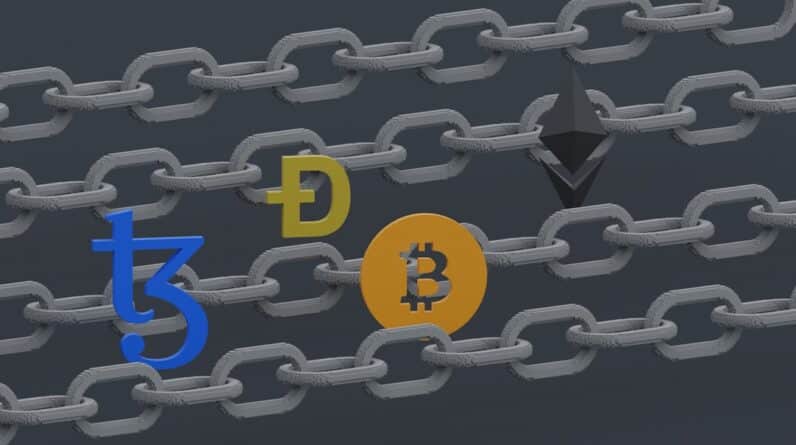
You may recognize these as digital versions of traditional currencies, where the central authority maintains control over the supply and distribution, ensuring stability and trust. On the other hand, decentralized digital currencies, epitomized by cryptocurrencies like Bitcoin and Ethereum, operate on a peer-to-peer network without a central governing body. This model empowers you as an individual, allowing for greater autonomy over your financial transactions.
The allure of decentralization lies in its promise of transparency, security, and resistance to censorship. As you delve deeper into the world of digital currencies, understanding the nuances between these two approaches will be crucial in navigating the future of finance.
Key Takeaways
- Centralized digital currency is controlled by a single entity, while decentralized digital currency operates on a distributed network.
- Centralized digital currency allows for easier control and governance, while decentralized digital currency offers more autonomy and transparency.
- Security and privacy are major concerns for both centralized and decentralized digital currency, with different approaches to address these issues.
- Transparency and accountability are key features of decentralized digital currency, while centralized digital currency may lack in these areas.
- Scalability and efficiency are important considerations for both centralized and decentralized digital currency, with different challenges and solutions for each.
Control and Governance
When it comes to control and governance, centralized digital currencies offer a clear hierarchy. You can think of them as a well-organized system where a central authority dictates the rules and regulations governing the currency’s use. This structure can provide a sense of security, as you know that there is an entity responsible for maintaining the currency’s value and addressing any issues that may arise.
However, this centralization also means that your financial freedom is somewhat limited; the authority can impose restrictions or even freeze accounts if deemed necessary. In contrast, decentralized digital currencies operate on a more democratic model. Here, you are part of a community that collectively governs the currency through consensus mechanisms.
This means that decisions are made collaboratively, often through voting or other participatory methods. While this can foster a sense of empowerment among users, it also raises questions about accountability and decision-making efficiency. As you explore these governance structures, consider how they align with your values regarding control over your financial assets.
Security and Privacy

Security is a paramount concern in the world of digital currencies, and both centralized and decentralized systems approach this issue differently. In centralized systems, security measures are typically managed by the issuing authority. You may feel reassured knowing that there are established protocols in place to protect your funds from fraud or theft.
However, this reliance on a central entity also means that if their security is compromised, your assets could be at risk. High-profile hacks of centralized exchanges have demonstrated that even the most robust systems can be vulnerable. Decentralized digital currencies, on the other hand, prioritize user autonomy and privacy.
Transactions are recorded on a blockchain, which is inherently secure due to its cryptographic nature. As you engage with decentralized currencies, you have greater control over your personal information, as many platforms do not require you to disclose identifying details. However, this anonymity can be a double-edged sword; while it protects your privacy, it can also attract illicit activities.
Balancing security with privacy is an ongoing challenge in both realms, and as you navigate these options, consider what level of risk you are willing to accept.
Transparency and Accountability
Transparency is one of the defining features of decentralized digital currencies. Every transaction is recorded on a public ledger, allowing you to trace the flow of funds without needing to rely on a third party. This level of openness fosters trust within the community, as you can independently verify transactions and ensure that no fraudulent activities are taking place.
The decentralized nature of these currencies means that accountability is distributed among users rather than resting solely with a central authority. In contrast, centralized digital currencies may lack this level of transparency. While the issuing authority may provide reports or audits to demonstrate accountability, you often have to take their word for it.
This can lead to skepticism among users who are concerned about potential mismanagement or corruption within the governing body. As you weigh your options between centralized and decentralized systems, consider how important transparency is to you in building trust with your financial tools.
Scalability and Efficiency
Scalability is a critical factor in determining the viability of any digital currency system. Centralized digital currencies typically excel in this area due to their ability to process transactions quickly and efficiently through established banking infrastructure. You may appreciate the convenience of instant transactions and low fees associated with these systems, especially when dealing with large volumes of transactions.
However, decentralized digital currencies often face challenges related to scalability. As more users join the network and transaction volumes increase, you might experience slower processing times and higher fees during peak periods. Innovations such as layer-two solutions are being developed to address these issues, but they also introduce complexity into the system.
As you consider your options, think about how scalability impacts your day-to-day transactions and whether you prioritize speed or decentralization in your financial dealings.
Adoption and Accessibility

The adoption of digital currencies varies significantly between centralized and decentralized models. Centralized digital currencies often enjoy widespread acceptance due to their backing by established institutions. You may find it easier to use these currencies for everyday transactions since many merchants already accept them as payment methods.
This accessibility can enhance your overall experience as you navigate the digital economy. Conversely, decentralized digital currencies are still in the process of gaining mainstream acceptance. While their popularity has surged in recent years, you may encounter challenges when trying to use them for everyday purchases.
Some merchants remain hesitant to accept cryptocurrencies due to regulatory uncertainties or volatility concerns. However, as more businesses recognize the potential benefits of accepting decentralized currencies, you may find that accessibility continues to improve over time.
Regulation and Legal Framework
The regulatory landscape surrounding digital currencies is complex and continually evolving. Centralized digital currencies typically operate within established legal frameworks, providing you with a sense of security knowing that there are regulations in place to protect consumers. These regulations can help mitigate risks associated with fraud or market manipulation, making centralized systems more appealing for those who prioritize compliance.
In contrast, decentralized digital currencies often exist in a gray area regarding regulation. While some jurisdictions have embraced cryptocurrencies and established guidelines for their use, others remain cautious or outright hostile toward them. This lack of clarity can create uncertainty for you as a user; navigating legal requirements may be challenging if you wish to engage with decentralized currencies fully.
As regulations continue to develop, staying informed about changes in the legal landscape will be essential for making informed decisions about your financial future.
Future Trends and Implications
As you look ahead to the future of digital currencies, several trends are likely to shape their evolution. The rise of central bank digital currencies (CBDCs) represents a significant development in the realm of centralized digital currencies. Governments worldwide are exploring the potential benefits of issuing their own digital currencies to enhance monetary policy effectiveness and improve payment systems.
This trend could lead to increased adoption of centralized models while also raising questions about privacy and control. On the decentralized front, innovations such as decentralized finance (DeFi) are gaining traction, offering new opportunities for users like yourself to engage with financial services without intermediaries. As these technologies mature, they may challenge traditional banking systems and redefine how you interact with money.
The interplay between centralized and decentralized models will likely continue to evolve as both seek to address user needs while navigating regulatory landscapes. In conclusion, understanding the distinctions between centralized and decentralized digital currencies is crucial for making informed decisions about your financial future. Each model offers unique advantages and challenges that cater to different preferences and priorities.
As you explore these options further, consider how they align with your values regarding control, security, transparency, scalability, adoption, regulation, and future trends in the ever-changing world of finance.
FAQs
What is a centralized digital currency?
A centralized digital currency is a type of digital currency that is issued and regulated by a central authority, such as a government or a central bank. Transactions involving centralized digital currencies are typically processed and verified by a central authority.
What is a decentralized digital currency?
A decentralized digital currency is a type of digital currency that operates on a peer-to-peer network, without the need for a central authority to oversee transactions. Decentralized digital currencies are typically based on blockchain technology and rely on consensus mechanisms for transaction verification.
What are some examples of centralized digital currencies?
Examples of centralized digital currencies include digital versions of fiat currencies issued by central banks, such as the digital yuan issued by the People’s Bank of China.
What are some examples of decentralized digital currencies?
Examples of decentralized digital currencies include Bitcoin, Ethereum, and other cryptocurrencies that operate on decentralized blockchain networks.
What are the key differences between centralized and decentralized digital currencies?
The key differences between centralized and decentralized digital currencies lie in their issuance and regulation, transaction processing and verification, and the level of control and oversight by a central authority. Centralized digital currencies are issued and regulated by a central authority, while decentralized digital currencies operate without a central authority. Transaction processing and verification in centralized digital currencies are overseen by the central authority, whereas decentralized digital currencies rely on consensus mechanisms.