As you delve into the world of cryptocurrency, it becomes increasingly clear that the concentration of wealth and power is a significant issue. The allure of cryptocurrencies lies in their promise of decentralization, yet the reality often tells a different story. A small number of individuals and entities hold a disproportionate amount of wealth, which can lead to an imbalance in influence and control over the market.
This concentration can manifest in various ways, from large holders known as “whales” who can sway market prices with their transactions to influential exchanges that dictate trading practices and access to new tokens. You may find it intriguing to explore how this concentration has evolved since the inception of Bitcoin. Initially, early adopters and miners accumulated vast amounts of cryptocurrency, creating a foundation for wealth that persists today.
As the market matured, institutional investors began to enter the fray, further consolidating power among a select few. This dynamic raises questions about the true nature of decentralization in a space that was designed to empower individuals and democratize finance. Understanding these nuances is crucial for anyone looking to navigate the cryptocurrency landscape effectively.
Key Takeaways
- Concentration of wealth and power in cryptocurrency is a significant issue that affects the entire industry.
- The impact of concentrated wealth and power in cryptocurrency can lead to centralization, manipulation, and inequality.
- Addressing concerns about wealth and power concentration in cryptocurrency requires proactive measures and community involvement.
- Promoting decentralization in the cryptocurrency space is crucial for creating a more equitable and resilient ecosystem.
- Implementing regulatory measures is essential to address the concentration of wealth and power in cryptocurrency and protect the interests of all stakeholders.
The Impact of Concentrated Wealth and Power in the Cryptocurrency Space
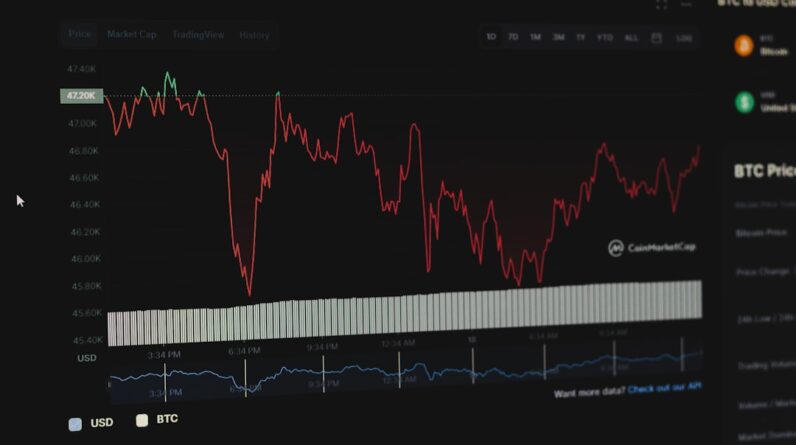
The ramifications of concentrated wealth and power in cryptocurrency are profound and multifaceted. One of the most immediate effects is market volatility. When a handful of individuals or organizations control significant amounts of cryptocurrency, their buying or selling decisions can lead to drastic price fluctuations.
As you observe these market movements, it becomes evident that the actions of a few can create ripples that affect countless investors, often leading to panic selling or irrational buying. Moreover, this concentration can stifle innovation and competition within the ecosystem. When a few dominant players control the majority of resources, smaller projects may struggle to gain traction or visibility.
You might notice that many promising startups find it challenging to secure funding or attract users when larger entities overshadow them. This dynamic not only limits diversity in the types of projects available but also hinders the overall growth and evolution of the cryptocurrency space. The potential for groundbreaking ideas to flourish diminishes when power is concentrated in the hands of a few.
Addressing Concerns about Wealth and Power Concentration in Cryptocurrency

As you consider the implications of wealth and power concentration, it’s essential to address the concerns that arise from this phenomenon. One significant worry is the potential for manipulation and exploitation within the market. With a few players holding substantial influence, there is a risk that they may engage in practices that undermine the integrity of the system.
You may find yourself questioning whether the current regulatory frameworks are sufficient to prevent such abuses or if new measures are needed to protect investors and maintain market stability. Another concern is the erosion of trust among participants in the cryptocurrency ecosystem. When individuals perceive that a small group controls the majority of wealth and decision-making power, it can lead to disillusionment and skepticism.
You might feel this tension as you engage with various platforms or communities, wondering if your voice truly matters in a space dominated by a select few. Addressing these concerns requires a concerted effort from all stakeholders to foster transparency, accountability, and inclusivity within the cryptocurrency landscape.
Promoting Decentralization in the Cryptocurrency Space
To counteract the concentration of wealth and power, promoting decentralization is paramount. You may be aware that decentralization is one of the core principles that underpin cryptocurrencies, yet achieving true decentralization remains a challenge. Encouraging projects that prioritize decentralized governance structures can help distribute power more evenly among participants.
By supporting initiatives that empower users to have a say in decision-making processes, you contribute to a more equitable ecosystem. Additionally, you can advocate for decentralized finance (DeFi) platforms that offer alternatives to traditional financial systems. These platforms often operate without intermediaries, allowing users to engage directly with one another.
By participating in DeFi projects, you not only diversify your investment portfolio but also support a movement that seeks to dismantle centralized control over financial resources. Embracing and promoting these decentralized solutions can help shift the balance of power away from a select few and towards a more inclusive community.
Implementing Regulatory Measures to Address Concentration of Wealth and Power
While decentralization is crucial, regulatory measures also play a vital role in addressing wealth and power concentration in cryptocurrency. As you navigate this complex landscape, you may recognize that effective regulation can help create a level playing field for all participants. Governments and regulatory bodies must work collaboratively with industry stakeholders to develop frameworks that promote transparency and accountability while safeguarding against manipulation.
You might consider how regulations could be designed to limit excessive concentration of wealth among individuals or entities. For instance, implementing measures such as transaction limits for large holders or requiring disclosures for significant trades could help mitigate risks associated with market manipulation. By advocating for thoughtful regulatory approaches, you contribute to building a more resilient cryptocurrency ecosystem that prioritizes fairness and inclusivity.
Encouraging Diversity and Inclusion in the Cryptocurrency Community

Diversity and inclusion are essential components of a thriving cryptocurrency community. As you engage with various platforms and projects, you may notice that representation matters significantly in shaping the future of this space. Encouraging diverse voices—whether through gender, ethnicity, or socioeconomic background—can lead to innovative ideas and solutions that benefit everyone involved.
You might also reflect on how fostering an inclusive environment can help combat the concentration of wealth and power. When individuals from different backgrounds come together, they bring unique perspectives that challenge existing norms and practices. By supporting initiatives aimed at increasing diversity within the cryptocurrency community, you contribute to creating an ecosystem where everyone has an opportunity to participate and thrive.
Supporting Education and Access to Cryptocurrency for All
Education is a powerful tool in addressing wealth and power concentration within cryptocurrency. As you explore this space, you may realize that many potential users lack access to essential information about how cryptocurrencies work or how to engage with them safely. By advocating for educational initiatives that demystify cryptocurrency concepts, you help empower individuals to make informed decisions about their financial futures.
Moreover, ensuring access to cryptocurrency for all is crucial in leveling the playing field. You might consider supporting projects that aim to provide affordable access to wallets, exchanges, and educational resources for underserved communities. By championing these efforts, you contribute to breaking down barriers that prevent individuals from participating in the cryptocurrency economy, ultimately fostering a more equitable landscape.
Collaborating with Stakeholders to Address Concentration of Wealth and Power
Collaboration among stakeholders is vital in addressing the challenges posed by concentrated wealth and power in cryptocurrency. As you engage with various players in this ecosystem—be it developers, investors, regulators, or community members—you may find opportunities for meaningful dialogue and cooperation. By working together towards common goals, stakeholders can develop strategies that promote decentralization, inclusivity, and transparency.
You might also consider how collaborative efforts can lead to innovative solutions that address systemic issues within the cryptocurrency space. For instance, forming alliances between projects focused on social impact and those with technical expertise can yield powerful synergies that drive positive change. By actively participating in these collaborative initiatives, you contribute to building a more resilient cryptocurrency ecosystem that prioritizes fairness and opportunity for all participants.
In conclusion, as you navigate the complexities of cryptocurrency, understanding the concentration of wealth and power is essential for fostering a more equitable environment. By addressing concerns related to this concentration, promoting decentralization, implementing regulatory measures, encouraging diversity and inclusion, supporting education, and collaborating with stakeholders, you play an active role in shaping a future where cryptocurrency serves as a tool for empowerment rather than exclusion. Your engagement in these efforts can help create a vibrant ecosystem where everyone has an opportunity to thrive.
FAQs
What is the concentration of wealth and power within the cryptocurrency space?
The concentration of wealth and power within the cryptocurrency space refers to the unequal distribution of wealth and influence among a small number of individuals or entities within the cryptocurrency ecosystem.
What are the concerns associated with the concentration of wealth and power in the cryptocurrency space?
Some concerns associated with the concentration of wealth and power in the cryptocurrency space include potential market manipulation, centralization of control, and limited access and opportunities for smaller participants.
How can concerns about the concentration of wealth and power in the cryptocurrency space be addressed?
Concerns about the concentration of wealth and power in the cryptocurrency space can be addressed through measures such as promoting decentralization, increasing transparency, implementing fair governance mechanisms, and fostering inclusivity and diversity within the ecosystem.
What are some potential solutions to address the concentration of wealth and power in the cryptocurrency space?
Potential solutions to address the concentration of wealth and power in the cryptocurrency space include the development of decentralized finance (DeFi) platforms, the promotion of community-driven initiatives, the implementation of progressive taxation models, and the adoption of open and permissionless protocols.