Have you ever wondered who exactly holds the most Bitcoin? It’s a fascinating topic, especially considering how Bitcoin has transformed the financial landscape. You’re not alone if you’ve found yourself curious about the identities behind the largest wallets in the Bitcoin network.

Understanding Bitcoin Ownership
Before we jump into who owns the most Bitcoin, let’s first discuss what it means to own Bitcoin. Unlike traditional currencies, Bitcoin is a decentralized digital currency that operates independently of governments and financial institutions. Instead of bank accounts and cash, ownership of Bitcoin is represented by cryptographic keys and addresses stored on a blockchain.
When you possess Bitcoin, you control the private keys to your wallets, enabling you to send or receive Bitcoin. This unique structure means that ownership can often be anonymous and difficult to trace, which poses both fascinating and challenging questions about privacy and security within the cryptocurrency realm.
The Concept of Bitcoin Wallets
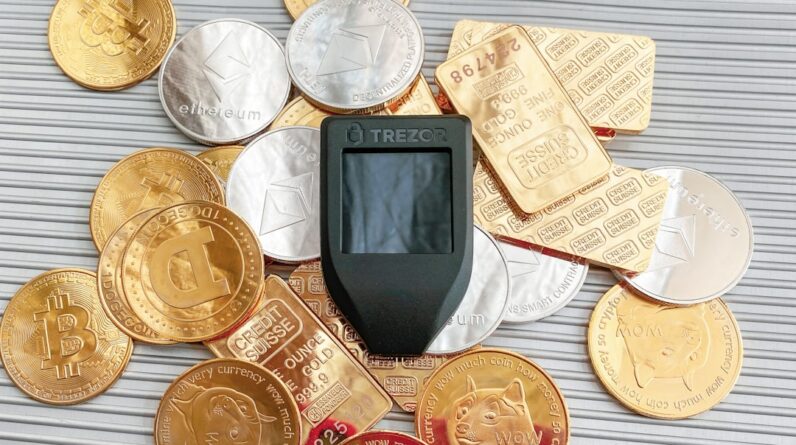
To grasp the ownership of Bitcoin, you should understand what a Bitcoin wallet is. These wallets can take various forms, including hardware wallets, software wallets, and mobile wallets. Each holds Bitcoin but operates differently in terms of security and usability.
Types of Bitcoin Wallets
- Hardware Wallets: These are physical devices that store your Bitcoin offline, providing a high level of security but requiring a bit of tech know-how to use.
- Software Wallets: These wallets operate on your device, allowing easier access to your funds but are more exposed to online threats.
- Mobile Wallets: These wallets are applications on your smartphone that allow for quick transactions, perfect for everyday use, but less secure than hardware options.
Understanding these can give you a good sense of how Bitcoin ownership works in practice. If you’re considering buying Bitcoin, selecting a wallet type that aligns with your needs and comfort level is essential.
The Largest Bitcoin Holders
Now, let’s address the crux of your question: who owns the most Bitcoin? The Bitcoin holders can be categorized into different groups, each with its set of motivations and purposes for holding cryptocurrencies.
Early Investors and Bitcoin Miners
In the early days of Bitcoin, many investors bought into the technology with the hope it would become a mainstream currency. Early adopters acquired large amounts of Bitcoin, often at very low prices.
- Bitcoin Miners: Those who mine Bitcoin are individuals or organizations that use powerful computers to solve complex mathematical problems and verify transactions on the blockchain. Miners receive new Bitcoin as a reward, often amassing substantial portfolios over time. This group typically includes tech-savvy individuals or companies with significant resources.
Institutional Investors
In recent years, institutional investors have started to make a substantial entry into the Bitcoin market. These are often hedge funds, publicly traded companies, and other large financial entities looking to diversify their portfolios.
- Companies like MicroStrategy have invested significant amounts of capital into Bitcoin, accumulating thousands of Bitcoin as a treasury reserve. The CEO, Michael Saylor, has been a vocal proponent of Bitcoin, arguing it serves as a hedge against inflation and currency devaluation.
Notable Wallets and Their Holdings
While individual identities can remain hidden, certain Bitcoin wallets are notable for their high balances.
Top Wallet Owners
| Wallet Type | Approximate Bitcoin Holdings | Notes |
|---|---|---|
| Bitcoin Exchange Wallets | 1,000,000+ BTC | Used for trading activity |
| Satoshi Nakamoto | 1,000,000 BTC | Creator of Bitcoin, untouched |
| Grayscale Bitcoin Trust | 650,000 BTC | Institutional investment vehicle |
| Bitfinex Hot Wallet | 140,000 BTC | Active exchange |
| Binance Cold Wallet | 200,000 BTC | One of the largest exchanges |
The Mystery of Satoshi Nakamoto
A significant portion of Bitcoin, estimated at around 1 million BTC, remains in wallets associated with Satoshi Nakamoto, the pseudonymous founder of Bitcoin. These coins have never been moved, leading to widespread speculation about Nakamoto’s identity. Many enthusiasts and researchers continue to theorize about the possibility of these coins being unlocked, which could significantly affect the market.
Bitcoin Distribution and Wealth Inequality
When it comes to Bitcoin ownership, the distribution does not parallel traditional wealth distribution. A small percentage of wallets hold a large percentage of the total Bitcoin supply. Here’s a breakdown of it:
- Top 1% of wallets hold over 80% of all Bitcoin.
- Medium and lower-tier wallets possess increasingly smaller amounts.
This inequality presents rich discussions about wealth in the digital age. Just as in traditional finance, a small number of holders can influence prices and market sentiment significantly.
The Role of Exchange Wallets
Many large Bitcoin holders consist of exchange wallets. When you store your Bitcoin on an exchange, you’re essentially storing it in their wallet. This can lead to a concentrated pool of Bitcoin in the hands of a few exchanges. For instance, platforms like Binance and Bitfinex manage significant Bitcoin reserves which can influence liquidity and trading dynamics in the market.

The Attraction of Bitcoin
So, why do people want to hold Bitcoin? The reasoning is varied and often deeply personal.
Store of Value
Many view Bitcoin as “digital gold.” Just like gold, it is seen as a finite resource, as there will only ever be 21 million Bitcoins in existence. Bitcoin’s scarcity is a major draw for investors looking for a hedge against inflation and economic instability.
Speculation
Speculation remains another significant motivation. Many investors are drawn to Bitcoin due to its price volatility. The potential for rapid gains can encourage more individuals to invest without fully understanding the risks involved.
Technological Advocacy
For some, it is about the belief in the underlying technology—blockchain. Advocates see Bitcoin as believing in a decentralized financial system that empowers individuals and reduces reliance on traditional banking. This vision for a new financial landscape draws numerous creators, developers, and technology enthusiasts to invest in and promote Bitcoin.
The Impact of Regulation
As Bitcoin’s popularity has surged, so has the scrutiny from governments around the globe. Regulatory frameworks can significantly affect ownership and market performance.
The United States
In the U.S., various state and federal agencies are assessing how to regulate cryptocurrencies. Issues such as tax implications and anti-money laundering regulations can impact how accessible Bitcoin is for average investors.
The European Union
The European Commission has proposed regulations that could create a unified framework for cryptocurrency transactions across member states. These developments could fundamentally change how Bitcoin is bought, sold, and stored in Europe.

Cultural Reflection
Bitcoin ownership also provokes conversations about culture and societal values. It reflects our thoughts about trust, authority, and financial independence.
The Rise of DeFi
Decentralized Finance (DeFi) is a growing sector that embraces the ethos of Bitcoin but extends it further. DeFi enables users to lend, borrow, and trade without intermediaries. As these platforms grow in popularity, they challenge the traditional notions of who can hold or distribute value in society.
Grassroots Movements
In addition, movements within the cryptocurrency community often promote financial literacy, urging individuals to educate themselves about personal finance—a stark contrast to previous generations’ reliance on banks and financial advisors.
The Future of Bitcoin Ownership
As you think about the future of Bitcoin, consider how changing regulations, technological advancements, and societal trends may influence who holds Bitcoin down the line.
Growth in Institutional Investments
The interest from institutional investors is expected to grow, which could stabilize the market but also raise barriers for individual investors. More robust platforms will need to be developed to facilitate access for everyday individuals.
Technological Innovations
Emerging technologies like NFTs and additional blockchain innovations could lead to new ways of holding and transacting Bitcoin, thereby changing ownership dynamics. They may bring more transparency to ownership records, potentially affecting privacy.
Societal Effects
With Bitcoin’s potential for disrupting traditional finance, societies may see a shift in wealth distribution. As individuals begin to invest more in cryptocurrencies, the question of who “deserves” to own wealth becomes central to the conversation.

Conclusion
Your exploration of Bitcoin ownership reveals layers of complexity—ranging from the identities of large holders and early investors to institutional involvement and societal impacts. As individuals and entities continue accumulating Bitcoin, one thing is certain: this digital currency is here to stay, shaping discussions and affecting lives globally.
Whether you’re contemplating investing or merely interested in understanding more about the ownership landscape, you now have a clearer view of who the major players are and why Bitcoin ownership matters not only in finance but also in cultural discourse.
As more people engage with this dynamic cryptocurrency, the identities behind the wallets may evolve, but the questions surrounding ownership and value will undoubtedly persist. Remember, every Bitcoin can tell a story, depending on who holds it and what they hope to achieve.