Decentralized Finance, commonly referred to as DeFi, represents a revolutionary shift in the financial landscape. At its core, DeFi aims to recreate traditional financial systems—such as banks, exchanges, and insurance—using blockchain technology. This innovative approach eliminates the need for intermediaries, allowing individuals to engage in financial transactions directly with one another.
By leveraging smart contracts, which are self-executing contracts with the terms of the agreement directly written into code, DeFi platforms can facilitate a wide range of financial services in a transparent and secure manner. As you delve deeper into DeFi, you will discover that it encompasses a variety of applications and services. From decentralized exchanges (DEXs) that allow users to trade cryptocurrencies without a central authority to lending platforms that enable users to earn interest on their crypto holdings, the possibilities are vast.
The beauty of DeFi lies in its accessibility; anyone with an internet connection can participate, regardless of their geographical location or financial background. This democratization of finance is one of the key factors driving the rapid growth and adoption of DeFi solutions.
Key Takeaways
- DeFi refers to a financial system built on blockchain technology that aims to recreate traditional financial systems without the need for intermediaries.
- Cryptocurrency plays a crucial role in DeFi, providing the foundation for decentralized financial transactions and services.
- Crypto serves as a medium of exchange in DeFi, allowing for peer-to-peer transactions without the need for traditional banking systems.
- In DeFi, crypto also functions as a store of value, offering a secure and stable asset for users to hold and invest in.
- Crypto’s role in DeFi extends to lending and borrowing, allowing users to access funds and earn interest through decentralized platforms.
The Emergence of Cryptocurrency in DeFi
The Role of Ethereum and Smart Contracts
Ethereum, in particular, introduced smart contracts, which enabled developers to create decentralized applications (dApps) that could operate autonomously on the blockchain. As you explore the landscape of DeFi, you will notice that various cryptocurrencies play distinct roles within this ecosystem.
The Rise of Stablecoins
For instance, stablecoins—cryptocurrencies pegged to traditional fiat currencies—have gained immense popularity due to their ability to provide stability in an otherwise volatile market. These stablecoins are often used as a medium of exchange within DeFi platforms, allowing users to transact without the fear of significant price fluctuations.
Expanding Utility and Innovation
The integration of cryptocurrencies into DeFi has not only expanded the utility of these digital assets but has also paved the way for innovative financial products and services.
The Role of Crypto as a Medium of Exchange
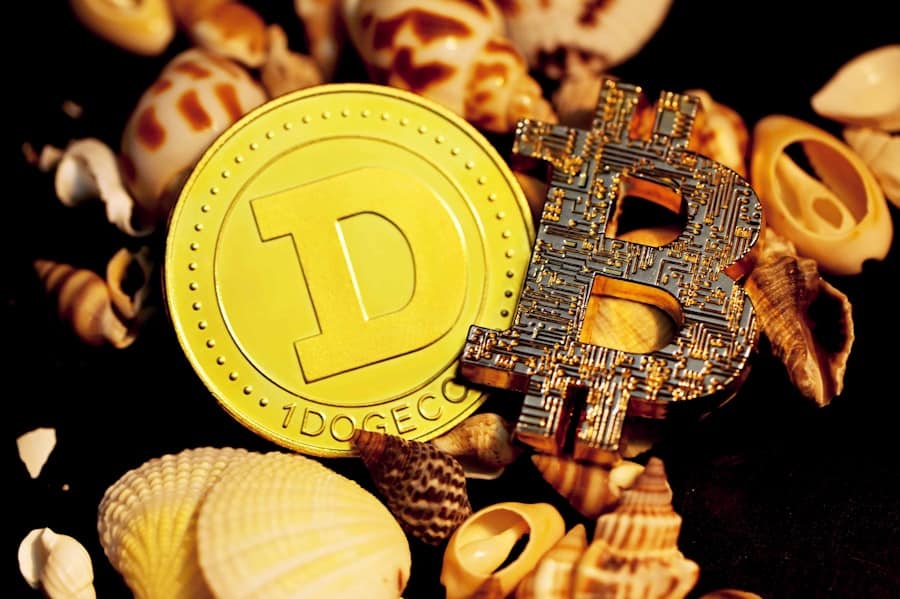
In the realm of DeFi, cryptocurrencies serve as a vital medium of exchange, facilitating transactions between users without the need for traditional banking systems. Unlike fiat currencies, which are subject to government regulations and inflationary pressures, cryptocurrencies offer a decentralized alternative that empowers individuals to transact freely. This characteristic is particularly appealing in regions where access to banking services is limited or where individuals face economic instability.
As you engage with various DeFi platforms, you will find that cryptocurrencies enable seamless cross-border transactions. This capability is especially beneficial for remittances, where individuals can send money to family members in different countries without incurring exorbitant fees typically associated with traditional money transfer services. Moreover, the speed at which cryptocurrency transactions are processed—often within minutes—further enhances their appeal as a medium of exchange.
By utilizing cryptocurrencies in DeFi, you can experience a more efficient and cost-effective way to conduct financial transactions.
Crypto as a Store of Value in DeFi
Beyond serving as a medium of exchange, cryptocurrencies also function as a store of value within the DeFi ecosystem. In traditional finance, assets like gold or real estate have long been regarded as reliable stores of value due to their intrinsic worth and limited supply. Similarly, certain cryptocurrencies—most notably Bitcoin—are increasingly being viewed as digital gold.
With a capped supply of 21 million coins, Bitcoin’s scarcity contributes to its appeal as a hedge against inflation and economic uncertainty. As you navigate through DeFi platforms, you may encounter various strategies for utilizing cryptocurrencies as a store of value. For instance, many users choose to hold their assets in decentralized wallets or liquidity pools, where they can earn interest or rewards while maintaining ownership of their digital currencies.
This approach not only preserves the value of your assets but also allows you to participate in the growth of the DeFi ecosystem. By understanding how cryptocurrencies can serve as a store of value, you can make informed decisions about your investment strategies within this dynamic landscape.
Crypto’s Role in DeFi Lending and Borrowing
One of the most transformative aspects of DeFi is its ability to facilitate lending and borrowing without intermediaries. Traditional lending systems often require extensive documentation and credit checks, creating barriers for many individuals seeking access to capital. In contrast, DeFi lending platforms allow users to lend their cryptocurrencies to others in exchange for interest or collateralized loans without the need for extensive paperwork.
As you explore these lending platforms, you will find that they operate on principles of transparency and trustlessness. Smart contracts govern the terms of each loan, ensuring that both parties adhere to the agreed-upon conditions. This innovative approach not only democratizes access to credit but also enables users to earn passive income by lending their assets.
By participating in DeFi lending and borrowing, you can take advantage of opportunities that were previously unavailable in traditional finance.
The Importance of Crypto in DeFi Liquidity Provision

Liquidity is a crucial component of any financial market, and DeFi is no exception. In decentralized finance, liquidity refers to the availability of assets that can be easily bought or sold without causing significant price fluctuations. Cryptocurrencies play a vital role in providing liquidity to DeFi platforms through mechanisms such as automated market makers (AMMs) and liquidity pools.
As you engage with these platforms, you will notice that liquidity providers contribute their assets to pools in exchange for rewards or fees generated from trades conducted on the platform. This process not only enhances market efficiency but also allows users to earn passive income on their holdings. By understanding the importance of liquidity provision in DeFi, you can strategically position yourself to benefit from this growing trend while contributing to the overall health of the ecosystem.
Crypto’s Influence on DeFi Governance and Voting
Governance is another critical aspect of decentralized finance that sets it apart from traditional financial systems. In DeFi, governance refers to the decision-making processes that determine how protocols operate and evolve over time. Many DeFi projects utilize governance tokens—cryptocurrencies that grant holders voting rights—to enable community participation in shaping the future of the platform.
As you explore various DeFi projects, you may find yourself drawn into governance discussions and voting processes. By holding governance tokens, you can influence decisions related to protocol upgrades, fee structures, and other important aspects of the platform’s operation. This level of participation fosters a sense of community ownership and accountability that is often lacking in traditional finance.
Engaging in governance within DeFi not only empowers you as an individual but also contributes to the collective success of the ecosystem.
The Future of Crypto in DeFi Ecosystems
Looking ahead, the future of cryptocurrency within DeFi ecosystems appears promising yet complex. As more individuals and institutions recognize the potential benefits of decentralized finance, we can expect continued innovation and growth in this space. New projects will likely emerge, offering unique solutions to existing challenges while enhancing user experience and security.
However, with this growth comes challenges that must be addressed. Regulatory scrutiny is increasing as governments seek to understand and manage the implications of DeFi on traditional financial systems. As you navigate this evolving landscape, staying informed about regulatory developments will be crucial for making sound investment decisions.
In conclusion, your journey through decentralized finance reveals a world rich with opportunities driven by cryptocurrency’s transformative potential. From serving as a medium of exchange and store of value to facilitating lending and governance participation, cryptocurrencies are at the heart of this financial revolution. As you continue to explore and engage with DeFi ecosystems, remember that your involvement not only shapes your financial future but also contributes to the broader movement toward a more inclusive and accessible financial system for all.
FAQs
What is DeFi?
DeFi, short for decentralized finance, refers to the use of blockchain technology and cryptocurrencies to recreate traditional financial systems such as banking, lending, and trading in a decentralized manner.
What is the role of crypto in DeFi?
Cryptocurrencies play a crucial role in DeFi as they are used as the native digital assets for various DeFi applications. They are used for lending, borrowing, trading, and providing liquidity in decentralized exchanges and lending platforms.
How does crypto enable decentralized lending and borrowing in DeFi?
Crypto enables decentralized lending and borrowing in DeFi through smart contracts. Users can lock their crypto assets in smart contracts as collateral to borrow other crypto assets, without the need for a traditional financial intermediary.
What are some examples of crypto’s role in DeFi?
Examples of crypto’s role in DeFi include providing liquidity in decentralized exchanges through liquidity pools, earning interest by lending out crypto assets in decentralized lending platforms, and participating in governance of DeFi protocols through staking.
What are the benefits of using crypto in DeFi?
Using crypto in DeFi provides benefits such as lower fees, faster transactions, greater accessibility to financial services, and the ability to participate in a global, permissionless financial system without the need for traditional intermediaries.