As you delve into the world of cryptocurrency, you may find yourself increasingly intrigued by the role of hardware in this digital landscape. Crypto hardware refers to specialized devices designed to facilitate the secure storage, management, and transaction of cryptocurrencies. Unlike traditional software wallets that rely on internet connectivity and can be vulnerable to hacking, crypto hardware wallets offer a more secure alternative by keeping your private keys offline.
This fundamental difference is what makes hardware wallets a popular choice among crypto enthusiasts and investors alike. The significance of crypto hardware extends beyond mere storage solutions. These devices are integral to the broader ecosystem of blockchain technology, enabling users to interact with decentralized applications and smart contracts securely.
As you explore this realm, understanding the nuances of crypto hardware will empower you to make informed decisions about your investments and security measures. The evolution of this technology has been rapid, and its implications for the future of finance are profound.
Key Takeaways
- Crypto hardware refers to physical devices used for storing and securing cryptocurrency assets.
- The current state of crypto hardware is characterized by a wide range of options, from hardware wallets to secure elements and HSMs.
- Advancements in crypto hardware technology include the development of biometric authentication, multi-signature support, and air-gapped solutions.
- Potential applications of crypto hardware in the future include secure authentication, decentralized identity management, and secure IoT transactions.
- Security and privacy concerns with crypto hardware revolve around key management, physical tampering, and supply chain attacks.
Current State of Crypto Hardware
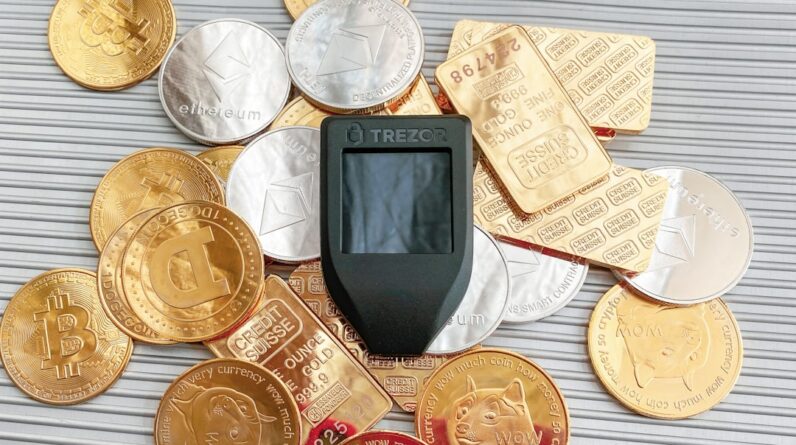
At present, the landscape of crypto hardware is diverse and rapidly evolving. You will find a variety of devices on the market, ranging from simple USB sticks that store private keys to sophisticated hardware wallets equipped with touchscreens and advanced security features. Major players like Ledger and Trezor have established themselves as leaders in this space, offering products that cater to both novice users and seasoned investors.
The current offerings emphasize user-friendliness while maintaining robust security protocols, making it easier for you to manage your digital assets. However, the current state of crypto hardware is not without its challenges. As the popularity of cryptocurrencies continues to surge, so too does the sophistication of cyber threats targeting these devices.
You may have heard about various security breaches that have affected even well-known brands, highlighting the importance of choosing reliable hardware solutions. Additionally, the market is flooded with counterfeit products that can compromise your security. Therefore, it is crucial for you to conduct thorough research and select reputable manufacturers when investing in crypto hardware.
Advancements in Crypto Hardware Technology

The advancements in crypto hardware technology are nothing short of remarkable. Over the past few years, manufacturers have made significant strides in enhancing the security features of their devices. For instance, many modern hardware wallets now incorporate biometric authentication methods, such as fingerprint recognition or facial recognition, adding an extra layer of protection against unauthorized access.
These innovations not only bolster security but also improve user experience by making it easier for you to access your funds quickly and securely. Moreover, the integration of secure elements—specialized chips designed to protect sensitive data—has become a standard feature in many crypto hardware devices. These chips are engineered to resist tampering and provide a secure environment for cryptographic operations.
As you explore these advancements, you will notice that manufacturers are also focusing on improving connectivity options. Many devices now support Bluetooth and USB-C connections, allowing for seamless integration with smartphones and computers. This evolution in technology ensures that you can manage your cryptocurrencies with greater convenience while maintaining high-security standards.
Potential Applications of Crypto Hardware in the Future
Looking ahead, the potential applications of crypto hardware are vast and varied. As blockchain technology continues to gain traction across different sectors, you can expect to see hardware solutions tailored for specific use cases beyond just cryptocurrency storage. For example, industries such as supply chain management and healthcare are beginning to explore how crypto hardware can enhance transparency and security in their operations.
By leveraging blockchain’s immutable ledger capabilities, businesses can track assets and verify transactions with unprecedented accuracy. Additionally, as decentralized finance (DeFi) platforms grow in popularity, the demand for secure hardware solutions will likely increase. You may find yourself using crypto hardware not only for storing assets but also for participating in lending, borrowing, and trading activities on decentralized exchanges.
The ability to interact with these platforms securely will be paramount as you navigate this new financial landscape. Furthermore, as non-fungible tokens (NFTs) continue to capture public interest, specialized hardware solutions may emerge to facilitate the secure creation and transfer of digital assets.
Security and Privacy Concerns with Crypto Hardware
While crypto hardware offers enhanced security compared to software alternatives, it is not entirely immune to risks. As you consider investing in these devices, it is essential to be aware of potential security and privacy concerns. One significant issue is the risk of physical theft or loss.
If someone gains access to your hardware wallet without your permission, they could potentially drain your funds. Therefore, it is crucial for you to implement additional security measures, such as using a strong PIN or passphrase and keeping your device in a secure location. Moreover, privacy concerns surrounding crypto hardware cannot be overlooked.
Many devices require users to connect to the internet for updates or transactions, which can expose your information to potential breaches. You should also be cautious about sharing personal information during the setup process or when using third-party applications that interact with your hardware wallet. To mitigate these risks, consider using a device that allows for offline transactions or one that prioritizes user privacy by minimizing data collection.
Impact of Regulatory Changes on Crypto Hardware

The regulatory landscape surrounding cryptocurrencies is continually evolving, and these changes can significantly impact the crypto hardware market. As governments around the world grapple with how to regulate digital assets, you may find that compliance requirements influence the design and functionality of hardware wallets. For instance, regulations may mandate certain security features or require manufacturers to implement Know Your Customer (KYC) protocols, which could affect your user experience.
Additionally, regulatory changes can create opportunities for innovation within the crypto hardware space. As authorities establish clearer guidelines for cryptocurrency transactions and storage, manufacturers may respond by developing new products that align with these regulations. This could lead to a more standardized approach to security features across devices, ultimately benefiting you as a consumer by providing greater assurance regarding the safety of your investments.
Integration of Crypto Hardware with Emerging Technologies
The integration of crypto hardware with emerging technologies presents exciting possibilities for the future. As you explore advancements in artificial intelligence (AI) and the Internet of Things (IoT), you may discover how these technologies can enhance the functionality of crypto hardware devices. For example, AI algorithms could be employed to detect unusual transaction patterns or potential security threats in real-time, providing you with proactive alerts and recommendations.
Furthermore, as IoT devices become more prevalent in everyday life, there is potential for seamless integration with crypto hardware solutions. Imagine being able to make secure transactions directly from your smart home devices or wearable technology without compromising your security. This convergence could revolutionize how you interact with cryptocurrencies and digital assets, making transactions more convenient while maintaining robust security measures.
Predictions for the Future of Crypto Hardware
As you look toward the future of crypto hardware, several trends are likely to shape its evolution. One prediction is that we will see an increase in multi-signature wallets that require multiple approvals before a transaction can be executed. This added layer of security could appeal to businesses and individuals alike who prioritize safeguarding their assets against unauthorized access.
Additionally, as awareness around environmental sustainability grows, manufacturers may begin developing eco-friendly crypto hardware solutions that minimize energy consumption during operation. This shift could resonate with environmentally conscious consumers like yourself who seek products that align with their values. In conclusion, the future of crypto hardware is poised for significant growth and innovation.
As you navigate this dynamic landscape, staying informed about advancements in technology, regulatory changes, and emerging applications will empower you to make informed decisions about your digital assets. Embracing these developments will not only enhance your security but also open up new opportunities for engaging with the ever-evolving world of cryptocurrency.
FAQs
What is crypto hardware?
Crypto hardware refers to physical devices designed to securely store and manage cryptocurrency assets. These devices often use advanced encryption and security measures to protect the private keys associated with cryptocurrency transactions.
What is the current state of crypto hardware?
The current state of crypto hardware is rapidly evolving, with new advancements in security, usability, and compatibility with different cryptocurrencies. Manufacturers are constantly improving the design and functionality of crypto hardware to meet the needs of the growing cryptocurrency market.
What are the future trends in crypto hardware?
Some future trends in crypto hardware include increased integration with mobile devices, enhanced biometric security features, and improved interoperability with different blockchain networks. Additionally, advancements in quantum-resistant cryptography may become a key focus for future crypto hardware development.
How will crypto hardware impact the future of cryptocurrency?
Crypto hardware is expected to play a crucial role in the future of cryptocurrency by providing a secure and user-friendly way for individuals and institutions to store and manage their digital assets. As the adoption of cryptocurrency continues to grow, the demand for reliable and secure crypto hardware is likely to increase.