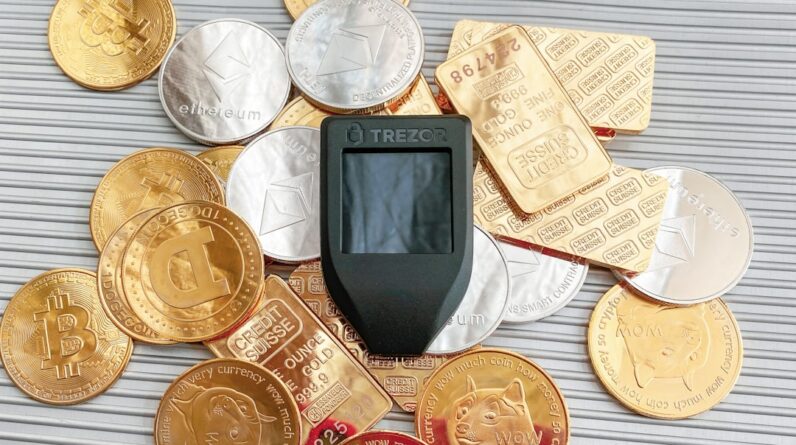
In recent years, the financial landscape has undergone a significant transformation, largely due to the emergence of cryptocurrency. This digital form of currency has captured the attention of investors, technologists, and everyday consumers alike. As you delve into the world of finance, it becomes essential to understand not only what cryptocurrency is but also how it compares to traditional commodities.
Both play crucial roles in the economy, yet they operate under different principles and frameworks. By exploring these distinctions, you can gain a clearer perspective on their implications for investment strategies and economic trends. As you navigate this complex terrain, you will find that cryptocurrencies and commodities are often discussed in tandem, yet they represent fundamentally different concepts.
While cryptocurrencies are digital assets that leverage blockchain technology for secure transactions, commodities are tangible goods that are traded on various markets. Understanding these differences is vital for anyone looking to invest or engage with these financial instruments. This article aims to provide a comprehensive overview of both cryptocurrency and commodities, highlighting their definitions, characteristics, regulatory environments, market behaviors, practical applications, and their broader impact on the global economy.
Key Takeaways
- Cryptocurrency is a digital or virtual form of currency that uses cryptography for security and operates independently of a central bank.
- Characteristics of cryptocurrency include decentralization, limited supply, and anonymity in transactions.
- Commodity refers to raw materials or primary agricultural products that can be bought and sold, such as gold, oil, and agricultural products.
- Characteristics of commodities include fungibility, durability, and the ability to be traded on exchanges.
- Cryptocurrency and commodities are regulated differently, with cryptocurrencies facing more uncertainty in legal status and regulation.
Definition and Characteristics of Cryptocurrency
Cryptocurrency can be defined as a form of digital or virtual currency that uses cryptography for security. Unlike traditional currencies issued by governments, cryptocurrencies operate on decentralized networks based on blockchain technology. This decentralized nature means that no single entity, such as a central bank, has control over the currency, which can lead to increased transparency and reduced risk of manipulation.
As you explore this digital frontier, you will encounter various cryptocurrencies, each with unique features and purposes. Bitcoin, Ethereum, and Ripple are just a few examples that have gained significant traction in the market. One of the defining characteristics of cryptocurrency is its limited supply.
Many cryptocurrencies have a capped maximum number of coins that can ever be mined or created, which can create scarcity and potentially drive up value over time. Additionally, transactions made with cryptocurrencies are typically faster and cheaper than those conducted through traditional banking systems. This efficiency is particularly appealing for international transactions, where fees and processing times can be significantly reduced.
As you consider investing in cryptocurrencies, it’s essential to understand these characteristics and how they contribute to the overall appeal of digital currencies.
Definition and Characteristics of Commodity

In contrast to cryptocurrency, a commodity is a basic good used in commerce that is interchangeable with other goods of the same type. Commodities can be classified into two main categories: hard commodities and soft commodities. Hard commodities are natural resources that are mined or extracted, such as gold, oil, and metals.
Soft commodities are agricultural products or livestock, including wheat, coffee, and cattle. As you explore the world of commodities, you will find that they serve as essential building blocks for the global economy. The characteristics of commodities include their fungibility and standardization.
Fungibility means that individual units of a commodity are interchangeable; for instance, one barrel of crude oil is essentially the same as another barrel of crude oil. This interchangeability allows for easier trading on commodity exchanges. Standardization ensures that commodities meet specific quality and quantity criteria, making them easier to trade in bulk.
Understanding these characteristics will help you appreciate the role commodities play in various industries and their significance in global trade.
Differences in Regulation and Legal Status
When it comes to regulation and legal status, cryptocurrencies and commodities diverge significantly. Cryptocurrencies exist in a relatively unregulated environment compared to traditional commodities. While some countries have begun to implement regulations governing cryptocurrency exchanges and initial coin offerings (ICOs), many jurisdictions still lack comprehensive frameworks.
This regulatory uncertainty can create both opportunities and risks for investors like yourself. The decentralized nature of cryptocurrencies often complicates efforts to impose regulations, leading to a patchwork of laws across different regions. On the other hand, commodities are subject to well-established regulations that govern their trading practices.
Regulatory bodies such as the Commodity Futures Trading Commission (CFTC) in the United States oversee commodity markets to ensure fair trading practices and protect investors from fraud. These regulations provide a level of security for those investing in commodities, as they are designed to maintain market integrity. As you consider your investment options, understanding these regulatory differences can help you make informed decisions about where to allocate your resources.
Variations in Value and Market Behavior
The value of cryptocurrencies can be highly volatile, often experiencing dramatic fluctuations within short periods. Factors such as market sentiment, technological advancements, regulatory news, and macroeconomic trends can all influence cryptocurrency prices. As an investor or enthusiast in this space, you may find yourself navigating a landscape characterized by rapid changes and unpredictability.
This volatility can present both opportunities for significant gains and risks of substantial losses. In contrast, commodities tend to exhibit more stable pricing patterns over time, although they too can experience fluctuations due to supply and demand dynamics. For instance, agricultural commodities may see price changes based on seasonal harvests or weather conditions, while energy commodities like oil can be affected by geopolitical events or changes in production levels.
Understanding these variations in value and market behavior is crucial for developing effective investment strategies tailored to your risk tolerance and financial goals.
Use Cases and Practical Applications

Cryptocurrencies offer a range of use cases beyond mere investment vehicles. They enable peer-to-peer transactions without intermediaries, allowing for greater financial inclusion in regions with limited access to traditional banking services. Additionally, blockchain technology—the backbone of most cryptocurrencies—has applications across various industries, including supply chain management, healthcare, and voting systems.
As you explore these practical applications, you may find innovative solutions that leverage cryptocurrency’s unique features to address real-world challenges. Commodities also have numerous practical applications that extend beyond investment purposes. They serve as essential inputs for various industries; for example, oil is crucial for energy production, while metals like copper are vital for electrical wiring and construction.
Agricultural commodities play a significant role in food production and supply chains worldwide. Understanding these use cases can help you appreciate the broader economic implications of both cryptocurrencies and commodities as they contribute to global trade and industry.
Impact on Global Economy and Financial Systems
The rise of cryptocurrency has sparked discussions about its potential impact on the global economy and financial systems. As more individuals adopt digital currencies for transactions or investments, traditional financial institutions may need to adapt to this new reality. Cryptocurrencies could challenge existing banking models by offering alternative payment methods that bypass traditional intermediaries.
This shift could lead to increased competition among financial service providers and potentially lower costs for consumers like yourself. Conversely, commodities have long been integral to the functioning of the global economy. They serve as benchmarks for pricing various goods and influence inflation rates across nations.
The trading of commodities impacts not only individual investors but also entire economies reliant on resource extraction or agriculture. As you consider the implications of both cryptocurrencies and commodities on the global stage, it becomes clear that each plays a distinct yet interconnected role in shaping economic trends.
Understanding the Distinctions and Implications
In conclusion, understanding the distinctions between cryptocurrency and commodity is essential for navigating today’s financial landscape effectively. While both serve as valuable assets with unique characteristics and applications, they operate under different principles that influence their market behavior and regulatory environments. As you explore investment opportunities or engage with these financial instruments, recognizing their differences will empower you to make informed decisions aligned with your financial goals.
As the world continues to evolve technologically and economically, both cryptocurrencies and commodities will likely play increasingly significant roles in shaping our financial future. By staying informed about their characteristics, market dynamics, regulatory frameworks, and practical applications, you can position yourself strategically within this ever-changing landscape. Whether you choose to invest in digital currencies or traditional commodities—or perhaps both—understanding their implications will enhance your ability to navigate the complexities of modern finance successfully.
FAQs
What is a cryptocurrency?
A cryptocurrency is a digital or virtual currency that uses cryptography for security and operates independently of a central bank. It is decentralized and typically operates on a technology called blockchain.
What is a commodity?
A commodity is a basic good used in commerce that is interchangeable with other goods of the same type. Examples of commodities include agricultural products, metals, and energy sources.
What are the main differences between a cryptocurrency and a commodity?
The main difference between a cryptocurrency and a commodity is that a cryptocurrency is a digital or virtual currency, while a commodity is a physical good. Additionally, cryptocurrencies are decentralized and operate on blockchain technology, while commodities are traded on exchanges and can be physically delivered.
How are cryptocurrencies and commodities similar?
Both cryptocurrencies and commodities can be traded as investment assets. They are also subject to market fluctuations and can be used as a store of value. Additionally, both can be bought and sold on various trading platforms.
Are cryptocurrencies considered commodities?
In some cases, cryptocurrencies are considered commodities. In the United States, the Commodity Futures Trading Commission (CFTC) has classified Bitcoin and Ethereum as commodities. However, this classification may vary by jurisdiction.