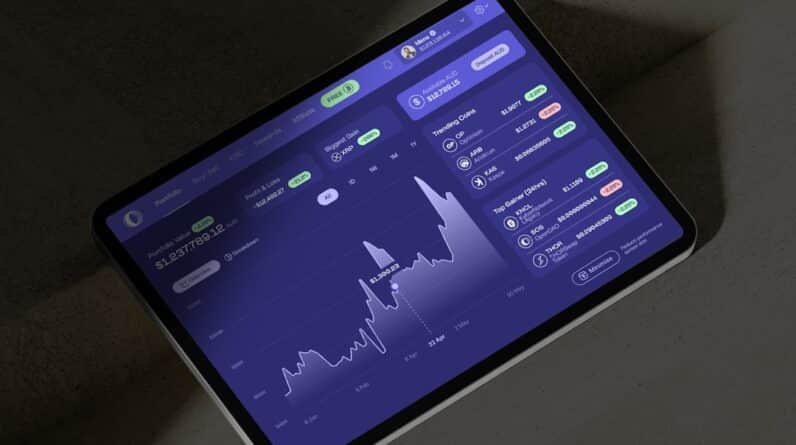
In recent years, the concept of digital currency has gained significant traction, transforming the way you think about money and transactions. Digital currency, often referred to as cryptocurrency, represents a new form of currency that exists solely in electronic form. Unlike traditional currencies issued by governments, digital currencies operate on decentralized networks using blockchain technology.
This innovative approach not only enhances security but also introduces a level of transparency that was previously unattainable in financial transactions. As you delve deeper into the world of digital currency, you will discover its potential to revolutionize the global economy and reshape your understanding of value exchange. The rise of digital currency has been fueled by a growing desire for alternatives to conventional banking systems.
With the advent of Bitcoin in 2009, the first decentralized cryptocurrency, you witnessed the beginning of a financial revolution. Since then, thousands of cryptocurrencies have emerged, each with unique features and applications. As you explore this dynamic landscape, you will find that digital currencies offer a myriad of benefits, from increased security to enhanced accessibility.
Understanding these advantages is crucial as you navigate the evolving financial ecosystem and consider how digital currency might fit into your own financial strategy.
Key Takeaways
- Digital currency is a form of currency that is available only in digital or electronic form, and not in physical form.
- Security and transparency are key features of digital currency, as transactions are recorded on a public ledger and are difficult to alter.
- Digital currency offers accessibility and portability, allowing users to make transactions anytime and anywhere with an internet connection.
- Decentralization and control are important aspects of digital currency, as it is not controlled by any central authority or government.
- Digital currency transactions typically have lower transaction costs compared to traditional financial systems.
Security and Transparency
One of the most compelling aspects of digital currency is its inherent security features. When you engage in transactions using cryptocurrencies, you benefit from advanced cryptographic techniques that protect your funds and personal information. Each transaction is recorded on a blockchain, a decentralized ledger that is immutable and transparent.
This means that once a transaction is confirmed, it cannot be altered or deleted, providing you with a level of security that traditional banking systems often struggle to match. As you become more familiar with these technologies, you may find yourself appreciating the peace of mind that comes with knowing your assets are safeguarded against fraud and unauthorized access. Transparency is another key advantage of digital currencies.
The blockchain technology underlying these currencies allows for public verification of transactions, meaning that anyone can view the transaction history associated with a particular cryptocurrency. This level of transparency fosters trust among users and reduces the likelihood of fraudulent activities. As you engage with digital currencies, you may find that this openness encourages responsible behavior among participants in the ecosystem.
The ability to trace transactions back to their origin can deter illicit activities and promote accountability, making digital currencies an attractive option for those seeking a more ethical approach to finance.
Accessibility and Portability

Digital currencies are designed to be accessible to anyone with an internet connection, breaking down barriers that have traditionally hindered financial inclusion. If you live in a region where banking services are limited or non-existent, digital currencies offer a viable alternative for managing your finances. With just a smartphone or computer, you can create a digital wallet and start transacting almost immediately.
This ease of access empowers individuals who may have been excluded from traditional banking systems, allowing them to participate in the global economy on their own terms. Portability is another significant advantage of digital currencies. Unlike physical cash or even traditional bank accounts, which can be cumbersome to manage and transport, digital currencies can be easily transferred across borders with minimal effort.
You can send or receive funds instantly, regardless of your location, making it an ideal solution for those who travel frequently or conduct business internationally. As you embrace this level of portability, you may find that managing your finances becomes more convenient and efficient than ever before.
Decentralization and Control
One of the defining characteristics of digital currency is its decentralized nature. Unlike traditional currencies that are controlled by central banks and governments, digital currencies operate on peer-to-peer networks that distribute control among users. This decentralization means that no single entity has the power to manipulate or devalue the currency, providing you with greater autonomy over your financial assets.
As you explore this aspect of digital currency, you may appreciate the empowerment it offers in an age where financial institutions often wield significant influence over your economic well-being. With decentralization comes increased control over your funds. In a traditional banking system, your money is subject to various regulations and fees imposed by financial institutions.
However, with digital currencies, you have the ability to manage your assets without intermediaries. This direct control allows you to make decisions about your finances without external interference, giving you the freedom to transact as you see fit. As you navigate this new landscape, you may find that this level of control aligns more closely with your personal values and financial goals.
Lower Transaction Costs
When it comes to financial transactions, one of the most appealing aspects of digital currency is the potential for lower transaction costs. Traditional banking systems often impose various fees for services such as wire transfers, currency exchanges, and international transactions. These costs can add up quickly, eating into your profits or savings.
In contrast, digital currencies typically have lower fees associated with transactions due to their decentralized nature and lack of intermediaries. As you consider using digital currencies for your financial needs, you may find that these reduced costs allow you to retain more of your hard-earned money. Moreover, the efficiency of blockchain technology contributes to these lower transaction costs.
Transactions made with digital currencies are processed quickly and securely without the need for lengthy verification processes typical in traditional banking systems. This speed not only saves you time but also reduces operational costs for businesses that rely on fast and efficient payment methods. As you explore the potential for cost savings through digital currency transactions, you may discover new opportunities for investment or business growth that were previously hindered by high fees.
Global Reach and Borderless Transactions

Digital currencies have the unique ability to transcend geographical boundaries, enabling borderless transactions that were once cumbersome and expensive. If you’ve ever attempted to send money internationally through traditional banking channels, you’re likely familiar with the delays and high fees associated with such transfers. Digital currencies eliminate these barriers by allowing you to send funds directly to anyone with an internet connection, regardless of their location.
This global reach opens up new avenues for commerce and collaboration, making it easier than ever for individuals and businesses to connect across borders. As you engage with digital currencies, you’ll find that this borderless nature fosters a sense of global community among users. You can transact with individuals from diverse backgrounds and cultures without worrying about exchange rates or international banking regulations.
This inclusivity not only enhances your ability to conduct business but also enriches your understanding of different markets and economies. As you embrace this global perspective, you may discover new opportunities for growth and collaboration that were previously inaccessible.
Innovation and Potential for Growth
The world of digital currency is characterized by rapid innovation and continuous development. As technology evolves, so too do the applications and functionalities of cryptocurrencies. From decentralized finance (DeFi) platforms to non-fungible tokens (NFTs), the possibilities are virtually limitless.
As you explore these innovations, you’ll likely find exciting opportunities to invest in emerging technologies or participate in groundbreaking projects that could shape the future of finance. Moreover, the potential for growth within the digital currency space is immense. As more individuals and businesses recognize the benefits of adopting cryptocurrencies, demand is likely to increase, driving up their value over time.
By staying informed about market trends and technological advancements, you can position yourself to take advantage of these growth opportunities. Whether you’re looking to invest in established cryptocurrencies or explore new projects on the horizon, understanding the landscape will empower you to make informed decisions about your financial future.
Future of Digital Currency
As we look ahead to the future of digital currency, it’s clear that this innovative financial landscape will continue to evolve at an unprecedented pace. Governments around the world are beginning to explore central bank digital currencies (CBDCs), which could further legitimize the use of digital currencies in everyday transactions. As these developments unfold, you’ll want to stay informed about regulatory changes and technological advancements that could impact your experience with digital currencies.
The future also holds exciting possibilities for integration with existing financial systems. As traditional banks begin to adopt blockchain technology and explore partnerships with cryptocurrency platforms, you’ll likely see increased acceptance of digital currencies in mainstream commerce. This shift could lead to greater stability in the market and encourage more individuals to embrace cryptocurrencies as a viable alternative to traditional money management methods.
In conclusion, as you navigate the world of digital currency, you’ll discover a wealth of opportunities that can enhance your financial experience. From security and transparency to accessibility and innovation, digital currencies offer numerous advantages that can empower you in today’s fast-paced economy. By staying informed and engaged with this evolving landscape, you’ll be well-equipped to harness the potential of digital currency for your own financial success.
FAQs
What is digital currency?
Digital currency is a type of currency that is available only in digital or electronic form, and does not have a physical counterpart like paper money or coins. It operates independently of a central bank and is decentralized in nature.
What makes digital currency absolute?
Digital currency is considered absolute due to its decentralized nature, which means it is not controlled by any single entity or government. This independence from traditional financial systems gives digital currency a level of autonomy and security that is not found in traditional currencies.
How is digital currency secured?
Digital currency is secured through the use of cryptographic techniques such as encryption and blockchain technology. These methods ensure the security and integrity of digital transactions, making it difficult for unauthorized parties to manipulate or counterfeit digital currency.
What are the advantages of digital currency?
Some advantages of digital currency include lower transaction fees, faster and more efficient cross-border transactions, increased financial inclusion for unbanked populations, and greater transparency and security in financial transactions.
What are the risks associated with digital currency?
Risks associated with digital currency include price volatility, potential for hacking and fraud, lack of regulation and consumer protection, and the potential for illegal activities such as money laundering and tax evasion.