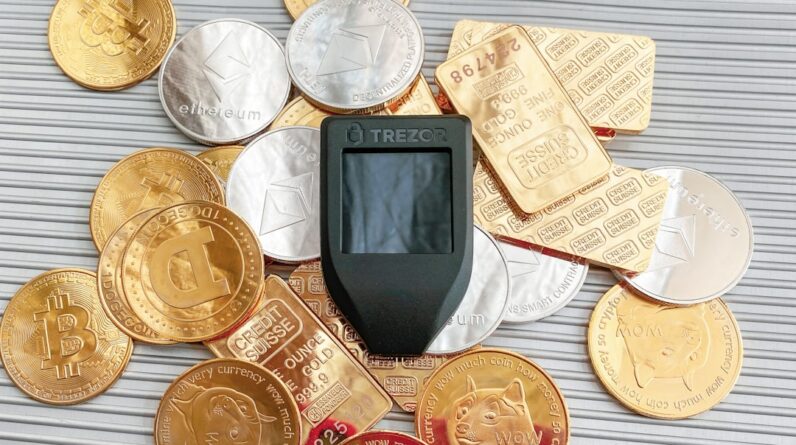
In recent years, the financial landscape has witnessed a seismic shift with the emergence of cryptocurrency, a digital asset that has captured the attention of investors, technologists, and the general public alike. You may have heard terms like Bitcoin, Ethereum, and blockchain technology being tossed around in conversations about the future of money. Cryptocurrency represents a new frontier in finance, characterized by its decentralized nature and reliance on cryptographic principles.
As you delve deeper into this world, you might find yourself drawn to the concept of “digital gold,” a term that encapsulates the growing perception of cryptocurrency as a store of value akin to traditional gold. Gold has long been revered as a safe haven asset, a tangible commodity that has held intrinsic value for centuries. Its allure lies not only in its physical properties but also in its historical significance as a medium of exchange and a hedge against inflation.
As you explore the parallels between cryptocurrency and gold, you will discover that both assets share certain characteristics that make them appealing to investors seeking stability and security in an increasingly volatile economic environment. The juxtaposition of these two forms of value—one rooted in antiquity and the other in cutting-edge technology—invites a deeper examination of their similarities and differences.
Key Takeaways
- Cryptocurrency and gold share similarities as alternative forms of currency and stores of value
- Cryptocurrency and gold differ in terms of physicality, centralization, and historical use
- The appeal of cryptocurrency as “digital gold” lies in its potential for scarcity and security
- Scarcity plays a crucial role in both cryptocurrency and gold as it affects their value and appeal
- Historical perspectives on gold and cryptocurrency can provide insights into their potential future roles and value
- Investment and hedging strategies with cryptocurrency and gold can offer diversification and risk management opportunities
- The future of cryptocurrency as “digital gold” is uncertain but holds potential for continued growth and adoption
Similarities Between Cryptocurrency and Gold
When you consider the similarities between cryptocurrency and gold, one of the most striking aspects is their status as alternative assets. Both serve as a hedge against inflation and economic uncertainty, providing a refuge for investors during turbulent times. Just as gold has been used for centuries to preserve wealth, cryptocurrencies have emerged as a modern solution for those looking to safeguard their assets from the erosive effects of fiat currency devaluation.
You may find it interesting that both assets are often viewed as a means of diversifying investment portfolios, allowing you to mitigate risk while potentially enhancing returns. Another similarity lies in their limited supply. Gold is a finite resource, with mining operations becoming increasingly challenging and costly as easily accessible deposits are depleted.
Similarly, many cryptocurrencies, such as Bitcoin, are designed with a capped supply, creating an inherent scarcity that can drive demand. This limited availability can contribute to price appreciation over time, making both gold and cryptocurrency attractive options for long-term investors. As you explore these assets further, you may begin to appreciate how their shared characteristics can influence your investment decisions.
Differences Between Cryptocurrency and Gold

Despite their similarities, there are fundamental differences between cryptocurrency and gold that you should consider when evaluating their roles in your investment strategy. One of the most significant distinctions is the nature of their existence. Gold is a physical commodity that you can hold in your hand, while cryptocurrency exists solely in digital form.
This intangible quality of cryptocurrencies can be both an advantage and a disadvantage; it allows for ease of transfer and storage but also raises concerns about security and regulation. As you navigate this digital landscape, you may find yourself weighing the benefits of convenience against the risks associated with cyber threats. Another key difference is the regulatory environment surrounding each asset.
Gold has been traded for centuries and is subject to established regulations and standards across various jurisdictions. In contrast, cryptocurrencies are still in a relatively nascent stage of development, with regulatory frameworks evolving rapidly. This lack of uniformity can create uncertainty for investors like yourself, as different countries may impose varying rules regarding the use and taxation of digital assets.
Understanding these regulatory nuances is crucial as you consider how to incorporate both gold and cryptocurrency into your investment portfolio.
The Appeal of Cryptocurrency as “Digital Gold”
The term “digital gold” has gained traction among investors and analysts alike, reflecting the growing perception of cryptocurrency as a viable alternative to traditional gold. One reason for this appeal is the technological innovation that underpins cryptocurrencies. Blockchain technology offers transparency, security, and efficiency in transactions, which can enhance your confidence in using digital assets as a store of value.
Unlike gold, which requires physical storage and security measures, cryptocurrencies can be stored securely in digital wallets, making them more accessible for everyday transactions. Moreover, the potential for high returns in the cryptocurrency market is another factor driving its appeal as “digital gold.” While gold has historically provided steady but modest returns, cryptocurrencies have demonstrated the capacity for exponential growth over short periods. This volatility can be enticing for investors like yourself who are willing to embrace risk in pursuit of substantial gains.
However, it’s essential to approach this potential with caution; while the allure of quick profits is tempting, the inherent risks associated with cryptocurrency investments cannot be overlooked.
The Role of Scarcity in Cryptocurrency and Gold
Scarcity plays a pivotal role in determining the value of both cryptocurrency and gold. As you consider your investment options, understanding how scarcity influences market dynamics can provide valuable insights. Gold’s scarcity is rooted in its geological formation; it takes significant time and resources to extract from the earth.
This natural limitation contributes to its status as a valuable asset that has stood the test of time. In contrast, cryptocurrencies like Bitcoin are designed with algorithmic scarcity; there will only ever be 21 million Bitcoins in existence. This built-in limitation creates an environment where demand can outstrip supply, potentially driving prices higher.
The concept of scarcity also ties into investor psychology. When you perceive an asset as scarce or limited in availability, it can enhance its desirability. This phenomenon is evident in both gold and cryptocurrency markets; as demand increases amid limited supply, prices tend to rise.
However, it’s important to recognize that while scarcity can drive value, it does not guarantee stability. The speculative nature of cryptocurrency markets can lead to rapid price fluctuations that may not be present in more traditional assets like gold.
Historical Perspectives on Gold and Cryptocurrency

The Enduring Value of Gold
Gold has been used as a form of currency and a store of value for thousands of years, with civilizations across the globe recognizing its worth. From ancient Egypt to modern economies, gold has maintained its status as a reliable asset during times of economic upheaval.
The Rise of Cryptocurrency
In contrast, cryptocurrency is a relatively new phenomenon that emerged only in the last decade with the introduction of Bitcoin in 2009. Its rapid rise has been marked by both enthusiasm and skepticism; while some view it as a revolutionary advancement in finance, others remain cautious about its long-term viability.
Shifting Perceptions of Value
As you explore this historical perspective, consider how societal attitudes toward money have evolved over time and how these changes may influence your own perceptions of value in both gold and cryptocurrency.
Investment and Hedging Strategies with Cryptocurrency and Gold
When it comes to investing in gold and cryptocurrency, developing effective strategies is crucial for maximizing returns while managing risk. You might consider diversifying your portfolio by allocating a portion to both assets; this approach can help balance potential volatility from cryptocurrencies with the stability offered by gold. For instance, during periods of economic uncertainty or inflationary pressures, gold may serve as a reliable hedge against market downturns while cryptocurrencies could provide opportunities for growth.
Additionally, employing hedging strategies can further enhance your investment approach. For example, if you anticipate market fluctuations that could negatively impact your cryptocurrency holdings, you might choose to invest in gold as a counterbalance. Conversely, if you believe that cryptocurrencies will experience significant growth while gold remains stable or declines, reallocating funds from gold to cryptocurrencies could yield higher returns.
By carefully considering your investment goals and risk tolerance, you can create a tailored strategy that leverages the strengths of both assets.
The Future of Cryptocurrency as “Digital Gold”
As you look ahead to the future of cryptocurrency as “digital gold,” it’s essential to recognize that this narrative is still unfolding. The increasing adoption of cryptocurrencies by institutional investors and mainstream financial institutions suggests that they are gaining legitimacy as an asset class. You may find it intriguing that major companies are beginning to accept cryptocurrencies as payment or invest in blockchain technology, further solidifying their place in the financial ecosystem.
However, challenges remain on the horizon. Regulatory scrutiny continues to evolve, which could impact how cryptocurrencies are perceived and utilized in various markets. Additionally, technological advancements may lead to new forms of digital assets that could compete with existing cryptocurrencies for investor attention.
As you navigate this dynamic landscape, staying informed about trends and developments will be crucial for making sound investment decisions. In conclusion, while cryptocurrency presents itself as “digital gold,” it is essential to approach this comparison with nuance. By understanding the similarities and differences between these two forms of value—alongside their historical contexts and future potential—you can make informed choices about how to incorporate them into your investment strategy.
Whether you choose to embrace the innovative world of cryptocurrency or continue to rely on the timeless stability of gold, being well-informed will empower you to navigate this evolving financial landscape with confidence.
FAQs
What is cryptocurrency?
Cryptocurrency is a digital or virtual form of currency that uses cryptography for security and operates independently of a central bank.
What is the concept of “digital gold” in relation to cryptocurrency?
The concept of “digital gold” refers to the idea that certain cryptocurrencies, such as Bitcoin, share similar properties with gold, such as scarcity and store of value.
How is cryptocurrency similar to gold?
Cryptocurrency, particularly Bitcoin, is often compared to gold due to its limited supply, decentralized nature, and its potential to act as a store of value.
How is cryptocurrency different from gold?
Cryptocurrency is a purely digital asset, while gold is a physical commodity. Additionally, the value of gold is influenced by factors such as industrial demand, while the value of cryptocurrency is driven by factors such as adoption and technological developments.
What are the potential benefits of considering cryptocurrency as “digital gold”?
Considering cryptocurrency as “digital gold” may lead to increased adoption and investment, as it positions certain cryptocurrencies as a hedge against inflation and economic uncertainty, similar to the role of gold in traditional investment portfolios.