In recent years, the rise of cryptocurrency and blockchain technology has sparked a revolution across various sectors, including finance, supply chain management, and even the arts. As you delve into this new digital landscape, it becomes increasingly important to understand how these innovations intersect with intellectual property rights. Intellectual property (IP) encompasses a range of legal protections for creations of the mind, including inventions, literary and artistic works, designs, symbols, names, and images used in commerce.
The advent of cryptocurrencies and blockchain technology presents both challenges and opportunities for IP rights holders, prompting a reevaluation of traditional frameworks. As you explore the implications of crypto on intellectual property, you will find that the decentralized nature of blockchain technology offers unique solutions to longstanding issues in IP management. The ability to create immutable records of ownership and provenance can enhance transparency and trust in the creative industries.
However, this new paradigm also raises questions about how existing laws apply in a digital context. Understanding these dynamics is crucial for creators, businesses, and legal professionals navigating the evolving landscape of intellectual property in the age of crypto.
Key Takeaways
- Crypto and blockchain technology have significant implications for intellectual property rights, including copyright and ownership.
- Blockchain technology can play a crucial role in protecting intellectual property by providing a secure and transparent way to record and track ownership and rights.
- The crypto era presents both challenges and opportunities for intellectual property rights, including issues related to enforcement and protection.
- Smart contracts have the potential to revolutionize licensing and royalties by automating and ensuring fair compensation for creators and rights holders.
- NFTs are revolutionizing digital art ownership by providing a unique and secure way to buy, sell, and authenticate digital assets, creating new opportunities for artists and creators.
The Impact of Crypto on Copyright and Ownership
The emergence of cryptocurrencies has fundamentally altered the way you think about copyright and ownership. Traditionally, copyright law has provided creators with exclusive rights to their works, allowing them to control reproduction, distribution, and public performance. However, the decentralized nature of blockchain technology challenges these conventional notions of ownership.
With the ability to tokenize assets and create digital representations of physical works, you may find that the lines between ownership and access are becoming increasingly blurred. As you consider the implications of crypto on copyright, it is essential to recognize that tokenization can empower creators by providing them with new avenues for monetization. For instance, artists can issue limited editions of their work as non-fungible tokens (NFTs), allowing them to retain a degree of control over their creations while also reaching a global audience.
This shift not only democratizes access to art but also enables you to engage with creators in ways that were previously unimaginable. However, this new model also raises concerns about potential infringement and the unauthorized use of copyrighted material in the digital realm.
Blockchain Technology and its Role in Protecting Intellectual Property

Blockchain technology serves as a powerful tool for protecting intellectual property rights in an increasingly digital world. By providing a decentralized ledger that records transactions in a secure and transparent manner, blockchain can help you establish proof of ownership and authenticity for creative works. This is particularly relevant in industries where counterfeiting and piracy are rampant, as the immutable nature of blockchain records can deter unauthorized use and provide a clear chain of custody for IP assets.
As you explore the role of blockchain in IP protection, consider how it can streamline processes such as licensing and royalty distribution. Smart contracts—self-executing agreements coded onto the blockchain—can automate payments to creators based on predefined conditions. This not only reduces administrative burdens but also ensures that artists receive fair compensation for their work in real-time.
By leveraging blockchain technology, you can enhance the efficiency and transparency of IP management while fostering a more equitable ecosystem for creators.
Challenges and Opportunities for Intellectual Property Rights in the Crypto Era
While the integration of cryptocurrency and blockchain technology into intellectual property rights presents numerous opportunities, it also poses significant challenges that you must navigate. One major concern is the lack of regulatory clarity surrounding digital assets and their treatment under existing IP laws. As you engage with this evolving landscape, you may find that traditional legal frameworks struggle to keep pace with rapid technological advancements, leading to uncertainty for creators and businesses alike.
Moreover, the global nature of cryptocurrencies complicates enforcement efforts when it comes to IP rights. As you consider these challenges, it is essential to recognize that they also present opportunities for innovation. The need for new legal frameworks tailored to the digital age has sparked discussions among policymakers, legal experts, and industry stakeholders about how best to protect intellectual property in a decentralized environment.
By actively participating in these conversations, you can contribute to shaping a more robust legal landscape that balances the interests of creators with the demands of a rapidly changing technological landscape.
Smart Contracts and the Future of Licensing and Royalties
Smart contracts are poised to revolutionize the way you think about licensing and royalties in the creative industries. These self-executing agreements allow for automated transactions based on predetermined conditions, eliminating the need for intermediaries and reducing administrative costs. As you explore this innovative approach to IP management, consider how smart contracts can enhance transparency and efficiency in royalty distribution.
For instance, when an artist sells an NFT representing their work, a smart contract can automatically allocate a percentage of the sale price to the creator as a royalty. This ensures that artists are compensated fairly each time their work is resold on secondary markets. By embracing smart contracts, you can foster a more equitable ecosystem that rewards creativity while minimizing disputes over licensing agreements.
As this technology continues to evolve, it will be essential for you to stay informed about best practices and emerging trends in smart contract implementation.
NFTs and the Revolution of Digital Art Ownership
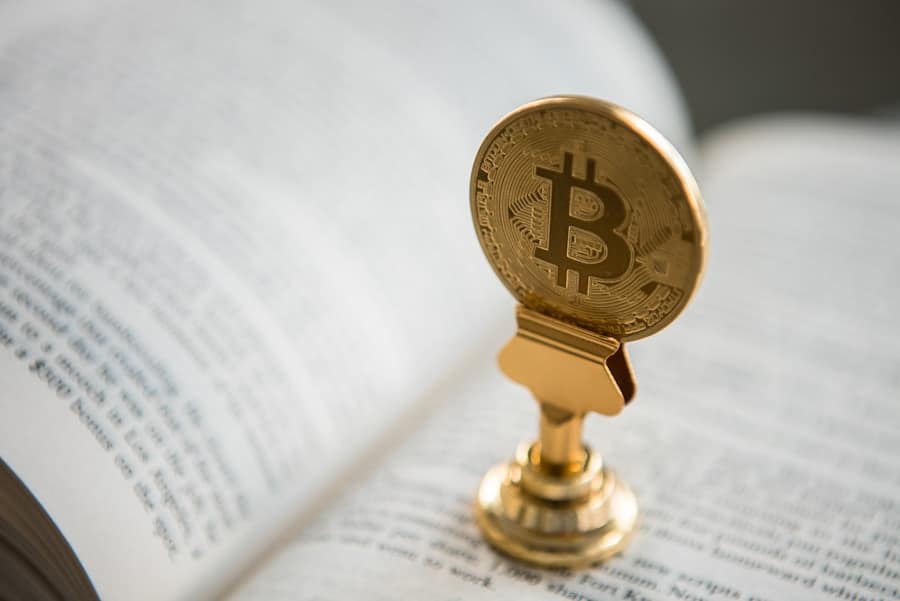
Non-fungible tokens (NFTs) have emerged as a groundbreaking development in the realm of digital art ownership, fundamentally changing how you perceive value and authenticity in creative works. Unlike traditional cryptocurrencies such as Bitcoin or Ethereum, which are interchangeable with one another, NFTs represent unique digital assets that cannot be replicated or exchanged on a one-to-one basis. This uniqueness allows artists to tokenize their work, creating verifiable proof of ownership that can be bought, sold, or traded on various platforms.
As you engage with NFTs, consider how they empower artists by providing new revenue streams and opportunities for direct engagement with their audience. By selling their work as NFTs, creators can bypass traditional gatekeepers such as galleries or auction houses, allowing them to retain more control over their creations and profits. However, this shift also raises questions about copyright infringement and the potential for unauthorized reproduction of digital works.
As you navigate this evolving landscape, it is crucial to understand both the benefits and challenges associated with NFTs in order to make informed decisions as a creator or collector.
The Role of Cryptocurrency in Rewarding Creativity and Innovation
Cryptocurrency has the potential to transform how you reward creativity and innovation across various industries. By enabling direct transactions between creators and consumers without intermediaries, cryptocurrencies facilitate new models for funding artistic endeavors and supporting innovative projects. As you explore this dynamic landscape, consider how platforms that utilize cryptocurrency can empower creators by providing them with greater financial autonomy.
For instance, crowdfunding initiatives powered by cryptocurrency allow artists to raise funds directly from their supporters while offering unique incentives such as exclusive content or early access to new works. This not only fosters a sense of community among creators and their audiences but also encourages innovation by providing artists with the resources they need to experiment with new ideas. As you engage with these emerging models for rewarding creativity, it is essential to remain open-minded about the possibilities they present while also being aware of potential risks associated with volatility in cryptocurrency markets.
Regulatory and Legal Considerations for Crypto and Intellectual Property Rights
As you navigate the intersection of cryptocurrency and intellectual property rights, it is vital to stay informed about regulatory and legal considerations that may impact your activities. The rapid evolution of digital assets has prompted governments around the world to grapple with how best to regulate cryptocurrencies while ensuring adequate protection for IP rights holders. This ongoing dialogue presents both challenges and opportunities for creators seeking clarity in an uncertain landscape.
One key area of focus is the need for harmonization between national laws governing intellectual property and emerging regulations surrounding cryptocurrencies. As you engage with policymakers and industry stakeholders, consider advocating for frameworks that balance innovation with protection for creators’ rights. Additionally, staying informed about developments in international treaties related to IP protection will be crucial as you navigate cross-border transactions involving digital assets.
By actively participating in discussions around regulation and legal considerations, you can contribute to shaping a more equitable environment for creativity in the crypto era. In conclusion, as you explore the intersection of cryptocurrency and intellectual property rights, it becomes clear that this evolving landscape presents both challenges and opportunities for creators and innovators alike. By understanding the implications of crypto on copyright ownership, leveraging blockchain technology for IP protection, embracing smart contracts for licensing and royalties, engaging with NFTs as a means of digital art ownership, recognizing the role of cryptocurrency in rewarding creativity, and staying informed about regulatory considerations, you can navigate this complex terrain with confidence.
The future holds immense potential for those willing to adapt and innovate within this dynamic environment.
FAQs
What is Crypto?
Crypto, short for cryptocurrency, is a digital or virtual currency that uses cryptography for security and operates independently of a central bank. It is decentralized and typically uses blockchain technology to secure and verify transactions.
What are Intellectual Property Rights?
Intellectual property rights refer to the legal rights that creators have over their intellectual creations, such as inventions, literary and artistic works, designs, symbols, and names used in commerce. These rights typically include patents, copyrights, trademarks, and trade secrets.
How does Crypto impact Intellectual Property Rights?
Crypto has the potential to impact intellectual property rights in various ways, such as through the use of blockchain technology for copyright protection, the tokenization of intellectual property assets, and the creation of decentralized marketplaces for buying and selling digital content.
What are the benefits of using Crypto for Intellectual Property Rights?
Using crypto for intellectual property rights can provide benefits such as increased transparency, reduced transaction costs, improved security and authentication, and the ability to create new revenue streams for creators through tokenization and smart contracts.
What are the challenges of using Crypto for Intellectual Property Rights?
Challenges of using crypto for intellectual property rights include regulatory uncertainty, potential for infringement and piracy, scalability issues, and the need for education and awareness among creators and rights holders.
What are some examples of Crypto projects related to Intellectual Property Rights?
Examples of crypto projects related to intellectual property rights include platforms for registering and managing copyrights on the blockchain, marketplaces for trading digital assets and content, and initiatives to tokenize and monetize intellectual property assets through cryptocurrencies.