In recent years, the rise of cryptocurrency has transformed the financial landscape, offering individuals unprecedented opportunities for investment and wealth generation. However, with these opportunities come significant risks, particularly in the realm of security. Cryptocurrency theft has become a pressing concern, as hackers and cybercriminals exploit vulnerabilities in digital wallets and exchanges to steal assets.
As you navigate this complex world, understanding the nature of cryptocurrency theft is crucial for safeguarding your investments. Cryptocurrency theft can take many forms, from hacking exchanges to phishing scams that trick users into revealing their private keys. The decentralized nature of cryptocurrencies means that once your assets are stolen, they are often irretrievable.
Unlike traditional banking systems, which can reverse fraudulent transactions, the blockchain technology underlying cryptocurrencies offers no such recourse. Therefore, it is essential to be proactive in protecting your digital assets and to stay informed about the latest security practices.
Key Takeaways
- Cryptocurrency theft is a real threat in the digital world, and it’s important to be aware of the risks and take necessary precautions.
- Secure storage and proper wallet management are crucial in protecting your cryptocurrency from theft and unauthorized access.
- Implementing two-factor authentication and using strong, unique passwords can add an extra layer of security to your cryptocurrency accounts.
- Regularly updating your software and security measures can help protect against potential vulnerabilities and attacks.
- Consider using cold storage and hardware wallets for long-term storage of your cryptocurrency, as they offer enhanced security compared to online wallets.
Secure Storage and Wallet Management
One of the most effective ways to protect your cryptocurrency is through secure storage and wallet management. You have several options when it comes to storing your digital assets, each with its own level of security and convenience. Hot wallets, which are connected to the internet, offer ease of access for trading but are more vulnerable to attacks.
On the other hand, cold wallets, which are offline storage solutions, provide enhanced security but may require more effort to access your funds. When managing your wallets, it is vital to choose reputable providers and to understand the features they offer. For instance, some wallets come with built-in security measures such as encryption and multi-signature capabilities.
You should also regularly review your wallet settings and permissions to ensure that you are not exposing yourself to unnecessary risks. By taking these steps, you can significantly reduce the likelihood of falling victim to theft.
Two-Factor Authentication and Strong Passwords

Implementing two-factor authentication (2FA) is a critical step in enhancing the security of your cryptocurrency accounts. 2FA adds an extra layer of protection by requiring not only your password but also a second form of verification, such as a code sent to your mobile device. This means that even if a hacker manages to obtain your password, they would still need access to your second factor to gain entry into your account.
As you set up 2FA, make sure to choose methods that are secure and reliable. In addition to 2FA, using strong passwords is essential for protecting your accounts. A strong password should be unique, complex, and at least 12 characters long, incorporating a mix of letters, numbers, and special characters.
Avoid using easily guessable information such as birthdays or common words. Consider using a password manager to help you generate and store complex passwords securely. By combining strong passwords with 2FA, you create a formidable barrier against unauthorized access.
Regular Software and Security Updates
Keeping your software and security systems up to date is another vital aspect of protecting your cryptocurrency investments. Cybercriminals often exploit vulnerabilities in outdated software to gain access to sensitive information or digital assets. By regularly updating your operating system, wallet applications, and any other software you use for cryptocurrency transactions, you can mitigate these risks significantly.
Moreover, staying informed about the latest security patches and updates from wallet providers or exchanges is crucial. Many companies release updates in response to newly discovered vulnerabilities or emerging threats. By promptly applying these updates, you ensure that you are using the most secure version of the software available.
This proactive approach can help you stay one step ahead of potential attackers.
Cold Storage and Hardware Wallets
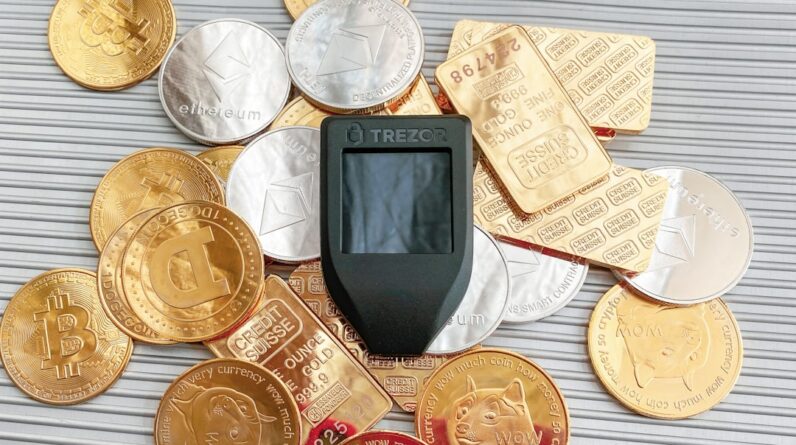
For those who prioritize security above all else, cold storage solutions and hardware wallets are excellent options for safeguarding your cryptocurrency. Cold storage refers to keeping your assets offline, away from potential online threats. This method can involve using paper wallets or hardware wallets—physical devices specifically designed for storing cryptocurrencies securely.
Hardware wallets are particularly popular due to their user-friendly interfaces and robust security features. They store your private keys offline and require physical access to the device for transactions. This means that even if your computer is compromised, your cryptocurrency remains safe on the hardware wallet.
When considering cold storage options, take the time to research different hardware wallets available on the market and choose one that meets your needs for security and usability.
Beware of Phishing and Social Engineering Attacks

Phishing attacks are among the most common methods used by cybercriminals to steal cryptocurrency from unsuspecting users. These attacks often involve deceptive emails or messages that appear legitimate but are designed to trick you into revealing sensitive information such as passwords or private keys. As you engage with online platforms related to cryptocurrency, always be vigilant about the communications you receive.
Social engineering attacks can also pose significant risks. These tactics involve manipulating individuals into divulging confidential information by exploiting psychological factors such as trust or fear. For example, a scammer might impersonate a customer support representative from a well-known exchange and request sensitive information under the guise of resolving an issue.
To protect yourself from these threats, always verify the identity of anyone requesting sensitive information and be cautious about clicking on links or downloading attachments from unknown sources.
Use Trusted Exchanges and Platforms
When trading or investing in cryptocurrencies, it is essential to use trusted exchanges and platforms that prioritize security. Research various exchanges before committing your funds; look for reviews from other users and check their security protocols. Reputable exchanges often implement robust security measures such as cold storage for funds, regular audits, and insurance policies against theft.
Additionally, consider diversifying your trading activities across multiple platforms rather than relying solely on one exchange. This strategy can help mitigate risks associated with any single platform being compromised. By choosing trusted exchanges and spreading your investments across different platforms, you enhance your overall security posture in the cryptocurrency space.
Stay Informed and Educated on Cryptocurrency Security
The world of cryptocurrency is constantly evolving, with new threats emerging regularly alongside advancements in technology. To effectively protect your investments, it is crucial to stay informed about the latest developments in cryptocurrency security. Follow reputable news sources, join online forums or communities focused on cryptocurrency discussions, and participate in webinars or workshops that cover security best practices.
Education is a powerful tool in combating cryptocurrency theft. By understanding the tactics employed by cybercriminals and familiarizing yourself with effective security measures, you empower yourself to make informed decisions regarding your digital assets. Remember that knowledge is your first line of defense; staying educated will help you navigate this dynamic landscape with confidence.
In conclusion, while cryptocurrency offers exciting opportunities for investment and financial growth, it also presents unique challenges regarding security. By implementing secure storage practices, utilizing two-factor authentication, keeping software updated, considering cold storage options, being vigilant against phishing attacks, using trusted exchanges, and staying informed about security trends, you can significantly reduce the risk of falling victim to cryptocurrency theft. Your proactive approach will not only protect your investments but also enhance your overall experience in the world of digital currencies.
FAQs
What are the common security best practices for preventing cryptocurrency theft?
Some common security best practices for preventing cryptocurrency theft include using hardware wallets, enabling two-factor authentication, using strong and unique passwords, keeping software and antivirus programs up to date, and being cautious of phishing attempts.
Why is using a hardware wallet considered a best practice for preventing cryptocurrency theft?
Using a hardware wallet is considered a best practice for preventing cryptocurrency theft because it stores the user’s private keys offline, making it more difficult for hackers to access the funds. Hardware wallets are also immune to computer viruses and malware.
How does enabling two-factor authentication help prevent cryptocurrency theft?
Enabling two-factor authentication adds an extra layer of security by requiring a second form of verification, such as a code sent to a mobile device, in addition to the password. This makes it more difficult for unauthorized users to access the cryptocurrency wallet or exchange account.
Why is using strong and unique passwords important for preventing cryptocurrency theft?
Using strong and unique passwords is important for preventing cryptocurrency theft because it makes it harder for hackers to guess or crack the password. Reusing passwords across multiple accounts also increases the risk of a security breach.
How can keeping software and antivirus programs up to date help prevent cryptocurrency theft?
Keeping software and antivirus programs up to date is important for preventing cryptocurrency theft because it helps protect against known vulnerabilities and malware that could be used to steal cryptocurrency or compromise security.
What should users be cautious of to prevent falling victim to cryptocurrency theft?
Users should be cautious of phishing attempts, which are fraudulent attempts to obtain sensitive information such as passwords or private keys. They should also be wary of downloading software or clicking on links from unknown or untrusted sources.