Have you ever wondered how integrating cryptocurrency payments and blockchain technology could revolutionize established industries such as healthcare, supply chain, and logistics? The potentials of these technologies are immense, but they don’t come without their challenges. Let’s break it down and explore what makes this intersection so fascinating yet complex.

Understanding Cryptocurrency and Blockchain Technology
Before diving into the nitty-gritty opportunities and challenges, it’s essential to grasp what cryptocurrency and blockchain technology are all about.
What is Cryptocurrency?
Cryptocurrency is a digital or virtual currency that uses cryptography for security. The most well-known example is Bitcoin, but there are thousands of other cryptocurrencies. Given its decentralized nature, cryptocurrency operates without a central authority, which often leads to lower transaction fees and quicker payments compared to traditional banking systems.
What is Blockchain?
Blockchain technology serves as the backbone of cryptocurrencies. Essentially, it’s a decentralized ledger that records all transactions across numerous computers so that the recorded information cannot be altered retroactively without the alteration of all subsequent blocks and the consensus of the network. This inherent security makes blockchain appealing for various industries.
Opportunities in Healthcare
Integrating cryptocurrency and blockchain technology into healthcare presents unique opportunities that can enhance patient care, streamline operations, and reduce costs.
Improved Patient Data Management
One significant advantage of blockchain in healthcare is its capacity to improve patient data management. By using blockchain, patient records can be stored securely and shared seamlessly among healthcare providers. This ensures that all participating entities have access to the most up-to-date information, ultimately leading to better patient care.
Imagine walking into a hospital and having your entire medical history—medications, allergies, previous treatments—accessible to all practitioners involved in your care. This could minimize errors and redundancy, saving time and lives.
Transparent and Secure Transactions
Cryptocurrency enables faster and more secure transactions between providers, patients, and insurers. Traditional billing workflows can be slow and fraught with errors. With cryptocurrencies, you could pay for services instantly, eliminating the wait times associated with traditional banking.
Increased Access to Services
These technological integrations can also increase access to healthcare services, particularly in underbanked areas. By using cryptocurrencies, patients who lack access to traditional banking services can pay for their care, thereby widening the reach of healthcare services to marginalized populations.
Opportunities in Supply Chain Management
The potential of blockchain technology in supply chain management is vast. It can provide greater transparency, efficiency, and reliability.
Enhanced Traceability
With blockchain, every transaction along the supply chain can be recorded and accessed in real time. This level of traceability is crucial for industries that require strict regulatory compliance or where product integrity is paramount.
For instance, if a product is recalled due to contamination, blockchain can trace it back to its source, enabling quicker action to mitigate risks. You would know exactly where a product comes from, who handled it, and how it has been stored.
Improved Efficiency and Reduced Costs
By automating many of the processes traditionally burdened by paperwork, blockchain can increase efficiency and reduce operational costs. Smart contracts can facilitate automatic payments when specific conditions are met, thereby speeding up transactions and reducing the need for intermediaries.
Less Fraud
Fraud has long plagued the supply chain. However, with blockchain technology, you have an immutable record of transactions, making it significantly harder to commit fraud. This could protect both manufacturers and consumers, ultimately enhancing trust in the entire system.
Opportunities in Logistics
Logistics is an industry where timely, accurate information is essential for success. Implementing cryptocurrency and blockchain technologies can streamline operations in remarkable ways.
Real-Time Tracking and Automation
Blockchain enables real-time tracking of goods throughout the entire logistics network. This allows you to know exactly where your shipments are at any point, which increases transparency and helps to mitigate delays.
Smart contracts can also automate various logistics tasks. For example, payment could automatically trigger once a package is delivered, minimizing additional administrative work while fostering trust between parties.
Lower Operational Costs
Eliminating intermediaries and automating routine processes can help companies significantly reduce operational costs. Instead of handling payments through banks, which may charge fees, you can use cryptocurrency to make the process smoother and cheaper.

Challenges in Integrating Cryptocurrency and Blockchain Technology
While the opportunities are vast, the challenges must not be overlooked. Understanding these obstacles is crucial in any strategic plan.
Regulatory Hurdles
One major challenge is navigating the regulatory landscape. Cryptocurrencies and blockchain technology often operate in a grey area of the law. Each country has its own regulations, which can make integration complex. Additionally, as governments around the world catch up, unforeseen regulations could emerge, impacting the ongoing viability of cryptocurrencies.
Security Risks
Despite the security of blockchain technology, there are still vulnerabilities present, especially in the implementation stages. Cyber-attacks and data breaches remain critical concerns. You have to ensure that any blockchain platform is secure and updated to fend off potential threats.
Market Volatility
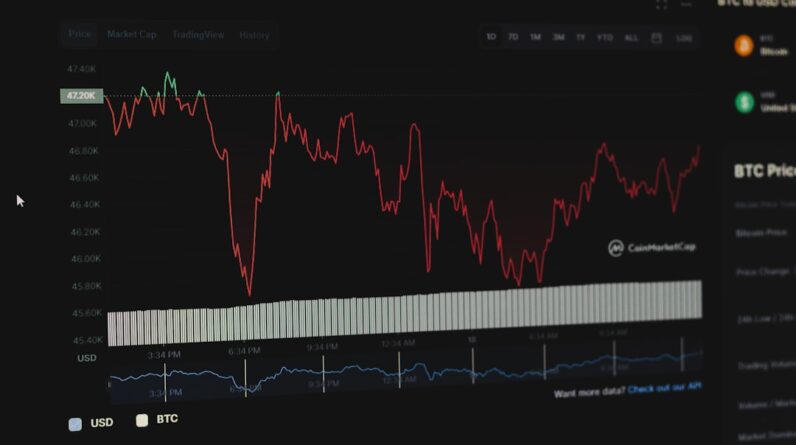
Cryptocurrency prices are notoriously volatile. The value of a digital coin can soar one day and plummet the next, making it challenging for businesses to adopt these currencies as a stable form of payment. This unpredictability could deter potential users who are skeptical of incorporating cryptocurrencies into their financial systems.
Technological Limitations
Not all industries are prepared for the technological shift that blockchain requires. Many organizations lack the infrastructure or expertise to implement these technologies effectively. This can lead to a significant skills gap, potentially leaving many companies behind if they cannot adapt.
Resistance to Change
People are naturally resistant to change, especially within established industries. Convincing stakeholders—whether they are healthcare providers, supply chain distributors, or logistics managers—to adopt new technologies can be an uphill battle. You may encounter skepticism, fear of the unknown, or a simple preference for sticking with what’s familiar.
Future Outlook
As you ponder the future of cryptocurrency and blockchain integration in these industries, several trends are worth observing.
Increased Acceptance and Adoption
Despite existing challenges, more industries are beginning to recognize the benefits of these innovative technologies. Over time, as regulatory frameworks become clearer and more people become educated about the benefits, adoption is likely to increase.
Collaboration Between Industries
We may see burgeoning partnerships between technology companies, healthcare providers, and logistics experts to facilitate the integration of blockchain solutions. These collaborations could lead to more efficient systems and smoother transitions into adopting cryptocurrencies.
Development of User-Friendly Interfaces
For broader acceptance among consumers, user interfaces and navigation systems must be simplified. Current blockchain services can be cumbersome for the average user. Future developments should focus on creating more user-friendly environments that facilitate easy transactions, regardless of technical know-how.
Greater Safeguards
As awareness of cybersecurity grows, more resources will likely be allocated toward protecting blockchain technology from cyber threats. You could see enhanced encryption methods, multi-factor authentication, and more robust internal auditing processes as standard practices.

Conclusion
The integration of cryptocurrency payments and blockchain technology into established industries like healthcare, supply chain, and logistics holds immense promise. The opportunities for improving efficiency, security, and transparency are compelling. However, it’s paramount to be aware of the challenges that lie ahead, from regulatory hurdles to technology gaps.
As you consider these changes, think about the benefits they could bring, but also remain realistic about the work that still needs to be done to address the unique challenges each industry faces. The journey towards embracing these transformative technologies will be neither simple nor straightforward. Still, the potential rewards could lead to a more efficient and equitable future across various sectors. Together, we can navigate this evolving landscape and work toward a more innovative tomorrow.
In the end, it’s about you—your choices, your business, and your part in shaping the future of industries around you. It’s time to stay informed, be adaptable, and embrace the change that is just on the horizon.