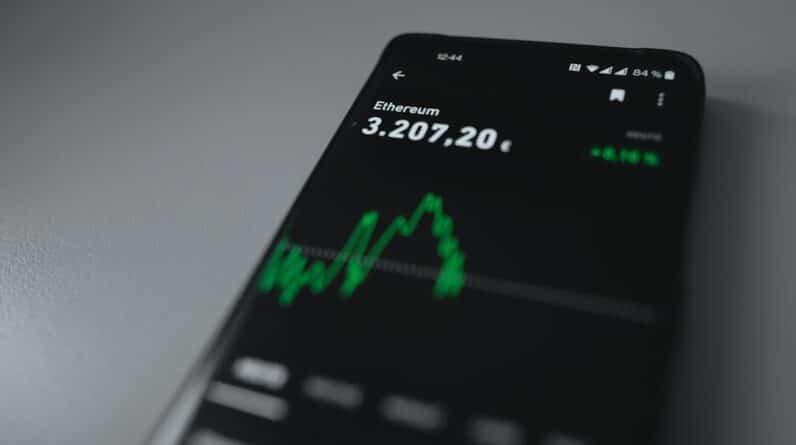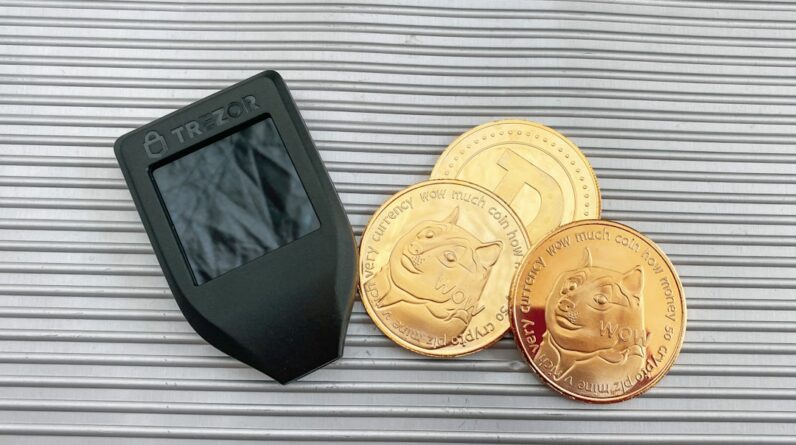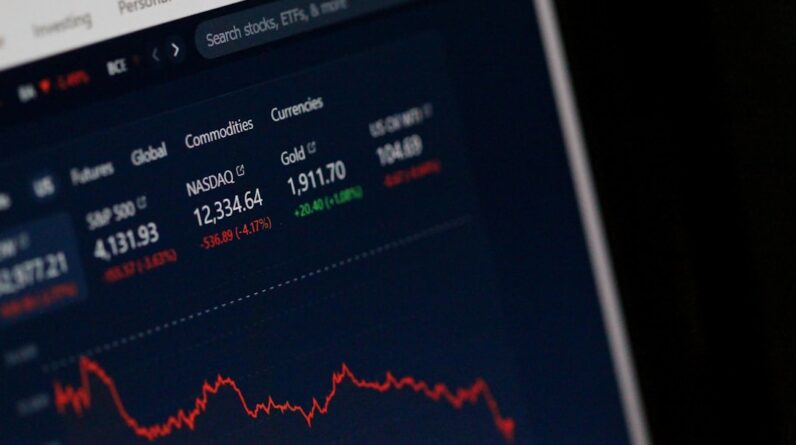
In recent years, the world of cryptocurrency has exploded in popularity, drawing in enthusiasts and investors alike. One of the most intriguing aspects of this digital currency revolution is the concept of mining. If you’ve ever considered diving into the world of cryptocurrency, setting up a home mining rig could be an exciting venture.
A home mining rig allows you to contribute to the blockchain network while potentially earning rewards in the form of cryptocurrency. This article will guide you through the essential steps and considerations involved in establishing your own home mining operation. Mining, at its core, is the process of validating transactions on a blockchain network.
By solving complex mathematical problems, miners help maintain the integrity and security of the network. In return for their efforts, they are rewarded with cryptocurrency. While mining was once dominated by large-scale operations with extensive resources, advancements in technology have made it increasingly feasible for individuals to set up their own rigs at home.
However, before you jump in, it’s crucial to understand the intricacies involved in creating a successful home mining rig.
Key Takeaways
- Home mining rigs can be a cost-effective way to mine cryptocurrency from the comfort of your own home.
- Choosing the right hardware, such as a powerful GPU or ASIC miner, is crucial for the success of your home mining rig.
- Setting up your home mining rig involves installing the necessary software, connecting to a mining pool, and configuring your hardware for optimal performance.
- Managing the heat and noise generated by your home mining rig is important for maintaining a comfortable and safe environment.
- Optimizing your home mining rig for maximum efficiency can help increase your potential profits and reduce energy costs.
Choosing the Right Hardware for Your Home Mining Rig
When it comes to building your home mining rig, selecting the right hardware is paramount. The performance of your mining operation largely depends on the components you choose. At the heart of your rig will be the graphics processing unit (GPU), which plays a critical role in solving the complex algorithms required for mining.
You’ll want to research and invest in GPUs that are known for their efficiency and hashing power. Popular choices often include models from NVIDIA and AMD, but it’s essential to stay updated on market trends as new models are frequently released. In addition to the GPU, other components such as the motherboard, power supply unit (PSU), and cooling system are equally important.
The motherboard should be compatible with multiple GPUs if you plan to expand your rig in the future. A robust PSU is necessary to ensure that your rig receives adequate power without risking damage to your components. Furthermore, investing in a quality cooling system will help maintain optimal temperatures during operation, preventing overheating and prolonging the lifespan of your hardware.
Setting Up Your Home Mining Rig

Once you’ve gathered all the necessary hardware, it’s time to set up your home mining rig. Begin by assembling your components in a well-ventilated area to ensure proper airflow. Start with the motherboard and install the CPU and RAM before attaching the GPUs.
Make sure to connect all power cables securely and double-check that everything is properly seated. This initial setup can be a bit daunting, but taking your time will pay off in the long run. After assembling your rig, you’ll need to install mining software that is compatible with your chosen cryptocurrency.
There are various options available, each with its own features and user interfaces. Some popular choices include CGMiner, BFGMiner, and EasyMiner. Once you’ve installed the software, configure it according to your preferences and connect it to a mining pool if you choose to mine collaboratively with others.
This can increase your chances of earning rewards more consistently compared to solo mining.
Managing the Heat and Noise of Your Home Mining Rig
One of the challenges you’ll face when operating a home mining rig is managing heat and noise levels. Mining generates significant heat due to the continuous operation of your hardware, which can lead to overheating if not properly managed. To combat this issue, consider investing in additional cooling solutions such as fans or liquid cooling systems.
Positioning your rig in a cooler area of your home can also help mitigate heat buildup. Noise is another factor that can impact your home environment. Mining rigs can be quite loud due to the fans working overtime to keep temperatures down.
If noise is a concern for you or those living with you, look into quieter cooling solutions or soundproofing options for your mining area. By addressing both heat and noise effectively, you can create a more comfortable environment for yourself while still reaping the benefits of cryptocurrency mining.
Optimizing Your Home Mining Rig for Maximum Efficiency
To maximize your profits from home mining, optimizing your rig for efficiency is crucial. Start by fine-tuning your GPU settings through overclocking, which can enhance performance without significantly increasing power consumption. However, proceed with caution; overclocking can lead to instability if not done correctly.
Monitor temperatures closely and make incremental adjustments to find the sweet spot that balances performance and safety. Additionally, keep an eye on electricity costs, as they can eat into your profits significantly. Consider using energy-efficient components and optimizing your mining software settings to reduce power consumption.
Some miners even choose to mine during off-peak hours when electricity rates are lower. By implementing these strategies, you can enhance the overall efficiency of your home mining rig and increase your potential earnings.
Understanding the Costs and Potential Profits of Home Mining
Before diving headfirst into home mining, it’s essential to understand both the costs involved and the potential profits you could earn. The initial investment in hardware can be substantial, especially if you’re aiming for high-performance components. Beyond hardware costs, consider ongoing expenses such as electricity bills, internet connectivity, and maintenance fees.
It’s wise to create a budget that accounts for these factors to avoid any financial surprises down the line. On the flip side, potential profits from home mining can vary widely based on several factors including market conditions, mining difficulty, and the specific cryptocurrency you choose to mine. While some miners have reported significant earnings, others may find it challenging to break even due to fluctuating prices and increased competition.
Conduct thorough research on current market trends and use profitability calculators available online to gauge whether home mining aligns with your financial goals.
Security and Maintenance for Your Home Mining Rig
As with any technology-driven venture, security is a critical consideration when operating a home mining rig. Protecting your investment from cyber threats should be a top priority. Start by ensuring that your software is up-to-date and that you’re using strong passwords for all accounts associated with your mining operation.
Consider implementing two-factor authentication wherever possible for an added layer of security. Regular maintenance is also essential for keeping your rig running smoothly. Dust accumulation can hinder performance and lead to overheating issues over time.
Schedule routine cleanings of your hardware components and check for any signs of wear or damage. By staying proactive about security and maintenance, you can safeguard your investment while ensuring optimal performance from your home mining rig.
Considering the Environmental Impact of Home Mining
As cryptocurrency continues to gain traction, concerns about its environmental impact have come to the forefront of discussions surrounding mining operations. The energy consumption associated with mining has raised questions about sustainability and carbon footprints. If you’re considering setting up a home mining rig, it’s important to reflect on these environmental implications.
One way to mitigate your environmental impact is by exploring renewable energy options for powering your rig. Solar panels or wind turbines can provide a sustainable energy source that reduces reliance on fossil fuels. Additionally, consider joining initiatives or communities focused on eco-friendly mining practices that promote responsible energy consumption within the cryptocurrency space.
By being mindful of your environmental footprint, you can contribute positively to both the cryptocurrency ecosystem and global sustainability efforts. In conclusion, setting up a home mining rig for cryptocurrency can be an exciting and potentially profitable endeavor if approached thoughtfully. By carefully selecting hardware, managing heat and noise levels, optimizing efficiency, understanding costs and profits, ensuring security and maintenance, and considering environmental impacts, you can navigate this complex landscape successfully.
As you embark on this journey into cryptocurrency mining, remember that knowledge is power; staying informed will help you make better decisions along the way.
FAQs
What is a home mining rig for cryptocurrency?
A home mining rig for cryptocurrency is a setup of specialized computer hardware used to mine for various cryptocurrencies such as Bitcoin, Ethereum, or Litecoin. It typically consists of multiple graphics processing units (GPUs) or application-specific integrated circuits (ASICs) to perform the complex calculations required for mining.
How does a home mining rig work?
A home mining rig works by solving complex mathematical problems in order to validate and secure transactions on a blockchain network. Miners are rewarded with newly created cryptocurrency for their efforts in solving these problems, which is why mining rigs are used to generate new coins.
What are the components of a home mining rig?
The components of a home mining rig typically include a motherboard, CPU, RAM, power supply unit (PSU), storage, cooling system, and multiple GPUs or ASICs. These components work together to process and validate cryptocurrency transactions through mining.
Is it profitable to run a home mining rig for cryptocurrency?
The profitability of running a home mining rig for cryptocurrency depends on factors such as the cost of electricity, the current price of the cryptocurrency being mined, and the efficiency of the mining hardware. It’s important to consider these factors and do thorough research before investing in a home mining rig.
What are the challenges of running a home mining rig?
Challenges of running a home mining rig include the initial investment in hardware, the ongoing cost of electricity, the heat generated by the mining rig, and the potential for decreased profitability as mining difficulty increases. Additionally, the regulatory environment for cryptocurrency mining varies by location and may present challenges.