As you embark on your journey into the world of cryptocurrency investment, it is crucial to understand the myriad of risks that accompany this digital frontier. The allure of high returns and the potential for financial independence can be enticing, but the landscape is fraught with uncertainties that can lead to significant losses. Unlike traditional investments, cryptocurrencies operate in a relatively unregulated environment, which can amplify both opportunities and risks.
By familiarizing yourself with these risks, you can make more informed decisions and navigate the complexities of this evolving market. The rapid growth of cryptocurrencies has attracted a diverse range of investors, from seasoned traders to newcomers seeking to capitalize on the latest trends. However, this influx of interest has also led to an increase in volatility and unpredictability.
As you delve deeper into crypto investments, it is essential to recognize that while the potential for profit is substantial, the risks are equally pronounced. Understanding these risks will not only help you protect your investments but also enable you to develop strategies to mitigate potential losses.
Key Takeaways
- Crypto investments are subject to various risks including volatility, security, regulatory, market manipulation, lack of consumer protection, technology, and lack of transparency.
- Volatility and price fluctuations are common in the crypto market, leading to potential losses for investors.
- Security and hacking risks pose a threat to crypto investments, as the digital nature of cryptocurrencies makes them susceptible to cyber attacks.
- Regulatory and legal risks are present due to the evolving nature of cryptocurrency regulations and potential legal implications for investors.
- Market manipulation risks exist in the crypto market, where large players can influence prices and create artificial demand or supply.
- Lack of consumer protection in the crypto market means investors may have limited recourse in case of fraud or disputes.
- Technology and infrastructure risks include potential issues with blockchain technology and the platforms used for trading and storing cryptocurrencies.
- Lack of transparency and information asymmetry in the crypto market can make it difficult for investors to make informed decisions.
Volatility and Price Fluctuations
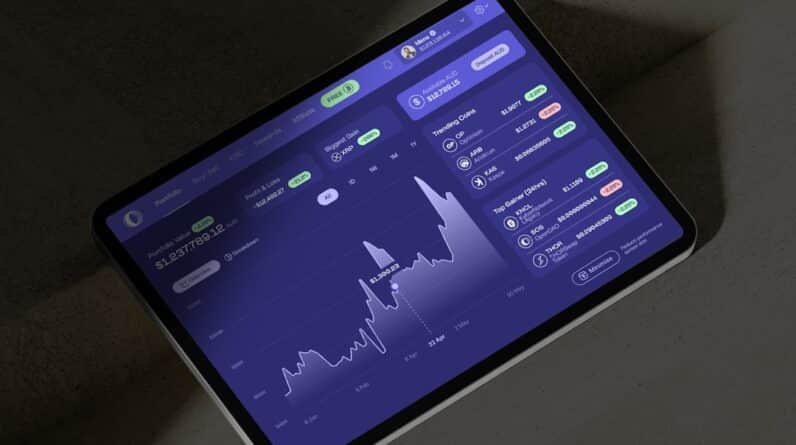
One of the most prominent risks associated with cryptocurrency investment is volatility. The prices of cryptocurrencies can swing dramatically within short periods, often influenced by market sentiment, news events, or even social media trends. As an investor, you may find yourself grappling with the emotional rollercoaster that comes with such fluctuations.
A sudden spike in value can lead to euphoria, while a sharp decline can trigger panic and hasty decisions. This volatility can be both a blessing and a curse; while it presents opportunities for significant gains, it also poses a threat to your capital. To navigate this volatility effectively, you must develop a robust risk management strategy.
This could involve setting stop-loss orders to limit potential losses or diversifying your portfolio to spread risk across different assets. Additionally, staying informed about market trends and developments can help you anticipate price movements and make more calculated decisions. Remember that while the potential for high returns exists, it is essential to approach your investments with caution and a clear understanding of the inherent risks.
Security and Hacking Risks

In the digital realm, security is paramount, and cryptocurrency investments are no exception. The decentralized nature of cryptocurrencies means that they are often stored in digital wallets, which can be vulnerable to hacking attempts. As you invest in cryptocurrencies, you must be aware of the various security risks that could jeopardize your assets.
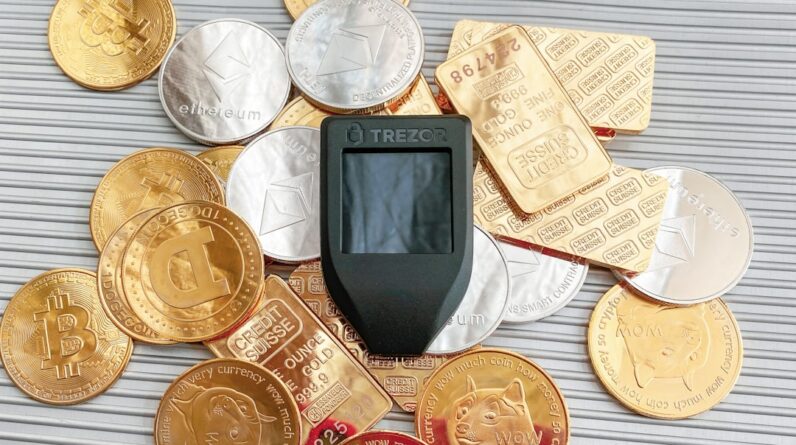
High-profile hacks have resulted in millions of dollars lost, leaving investors devastated and questioning the safety of their investments. To protect yourself from these security threats, it is vital to adopt best practices for safeguarding your digital assets. This includes using hardware wallets for long-term storage, enabling two-factor authentication on your accounts, and being cautious about sharing personal information online.
Additionally, staying updated on security developments within the crypto space can help you identify potential threats and take proactive measures to mitigate risks. By prioritizing security, you can enhance your confidence in navigating the world of cryptocurrency investment.
Regulatory and Legal Risks
The regulatory landscape surrounding cryptocurrencies is constantly evolving, which introduces another layer of risk for investors like yourself. Governments around the world are grappling with how to regulate this new asset class, leading to uncertainty regarding legal frameworks and compliance requirements. Changes in regulations can have immediate and profound effects on the market, impacting prices and the viability of certain projects.
As an investor, you must stay informed about regulatory developments in your jurisdiction and globally to understand how they may affect your investments. Moreover, the lack of a unified regulatory approach can create challenges for investors seeking clarity and protection. Different countries have adopted varying stances on cryptocurrencies, ranging from outright bans to supportive frameworks.
This inconsistency can lead to confusion and potential legal repercussions for investors who may inadvertently violate regulations. By keeping abreast of regulatory changes and understanding their implications, you can better navigate the legal landscape and make informed investment decisions.
Market Manipulation Risks
Market manipulation is another significant risk that plagues the cryptocurrency space. Due to its relatively low market capitalization compared to traditional financial markets, cryptocurrencies are particularly susceptible to manipulation by large players or “whales.” These individuals or entities can influence prices through coordinated buying or selling activities, creating artificial price movements that can mislead unsuspecting investors like yourself. This manipulation can result in significant losses if you are caught on the wrong side of a price swing.
To protect yourself from market manipulation, it is essential to conduct thorough research before making investment decisions. Analyzing trading volumes, order books, and market sentiment can provide valuable insights into potential manipulation tactics. Additionally, being cautious about following trends or hype without conducting due diligence can help you avoid falling victim to deceptive practices.
By remaining vigilant and informed, you can better navigate the complexities of the crypto market and reduce your exposure to manipulation risks.
Lack of Consumer Protection

Unlike traditional financial markets that offer various consumer protections, the cryptocurrency space operates with minimal safeguards for investors. This lack of consumer protection can leave you vulnerable to fraud, scams, and other malicious activities. With numerous exchanges and platforms available for trading cryptocurrencies, not all are created equal; some may lack adequate security measures or transparency regarding their operations.
As an investor, it is crucial to exercise caution when choosing where to buy or sell your digital assets. To mitigate the risks associated with a lack of consumer protection, consider using reputable exchanges with a proven track record of security and reliability. Researching user reviews and feedback can provide insights into the experiences of other investors and help you make informed choices.
Additionally, being aware of common scams in the crypto space—such as Ponzi schemes or phishing attacks—can further protect you from falling victim to fraudulent activities. By prioritizing due diligence and selecting trustworthy platforms, you can enhance your safety as you navigate the world of cryptocurrency investment.
Technology and Infrastructure Risks
The technology underpinning cryptocurrencies is still relatively new and evolving rapidly. While blockchain technology offers numerous advantages, it also presents inherent risks that investors must consider. Technical glitches, software bugs, or network congestion can disrupt transactions or lead to unexpected losses.
As an investor, you should be aware that these technological vulnerabilities could impact your ability to access or manage your assets effectively. To mitigate technology-related risks, it is essential to stay informed about developments within the crypto ecosystem. Following updates from project teams and engaging with community discussions can provide valuable insights into potential issues or improvements being made.
Additionally, diversifying your investments across different cryptocurrencies can help spread risk associated with specific technologies or platforms. By remaining vigilant about technological advancements and their implications for your investments, you can better navigate this dynamic landscape.
Lack of Transparency and Information Asymmetry
In the world of cryptocurrency investment, information asymmetry poses a significant challenge for investors like yourself. Many projects operate with limited transparency regarding their operations, financial health, or development progress. This lack of information can make it difficult for you to assess the true value or potential risks associated with a particular cryptocurrency.
As a result, you may find yourself making investment decisions based on incomplete or misleading information. To combat this challenge, it is crucial to conduct thorough research before investing in any cryptocurrency project. Engaging with whitepapers, roadmaps, and community forums can provide valuable insights into a project’s goals and viability.
Additionally, following reputable news sources and analysts within the crypto space can help you stay informed about developments that may impact your investments. By prioritizing transparency and seeking out reliable information sources, you can make more informed decisions and reduce your exposure to risks associated with information asymmetry. In conclusion, while cryptocurrency investment offers exciting opportunities for growth and innovation, it is essential to approach this market with caution and awareness of its inherent risks.
By understanding volatility, security concerns, regulatory challenges, market manipulation tactics, consumer protection issues, technological vulnerabilities, and information asymmetry, you can better equip yourself for success in this dynamic landscape. With careful research and strategic planning, you can navigate these risks effectively and work towards achieving your investment goals in the world of cryptocurrencies.
FAQs
What are the risks associated with crypto investments?
Investing in cryptocurrencies comes with various risks such as price volatility, regulatory uncertainty, security risks, and market manipulation.
How does price volatility affect crypto investments?
The prices of cryptocurrencies can be highly volatile, leading to significant fluctuations in value over short periods of time. This volatility can result in substantial gains or losses for investors.
What are the regulatory risks of investing in cryptocurrencies?
The regulatory environment for cryptocurrencies is constantly evolving, and changes in regulations can impact the value and legality of certain cryptocurrencies. Investors may face risks related to compliance with new regulations or potential bans on certain activities.
What security risks are associated with crypto investments?
Cryptocurrencies are susceptible to security breaches, hacking, and theft. Investors may face risks related to the security of their digital wallets, exchanges, and other platforms used to store and transact cryptocurrencies.
How does market manipulation impact crypto investments?
The relatively small size and lack of regulation in the cryptocurrency market make it susceptible to market manipulation. Investors may face risks related to price manipulation, pump-and-dump schemes, and fraudulent activities.
What are the risks of investing in new or lesser-known cryptocurrencies?
Investing in new or lesser-known cryptocurrencies carries additional risks, including the potential for scams, lack of liquidity, and uncertainty about the long-term viability of the project.
How can investors mitigate the risks associated with crypto investments?
Investors can mitigate the risks of crypto investments by conducting thorough research, diversifying their investment portfolio, using secure storage solutions, staying informed about regulatory developments, and being cautious when investing in new or lesser-known cryptocurrencies.