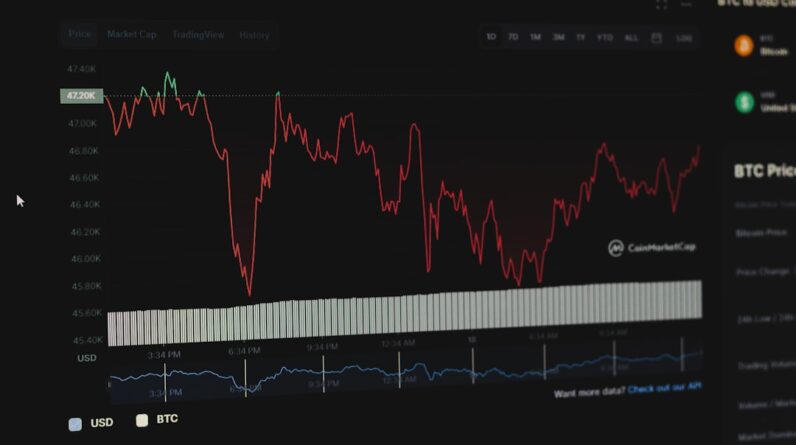
As you embark on your journey into the world of cryptocurrency investing, you may find yourself navigating a landscape that is both exhilarating and daunting. The allure of digital currencies, with their potential for high returns, has captivated millions around the globe. However, the volatility and unpredictability of the crypto market can lead to significant emotional turmoil.
Understanding the psychological factors that influence your investment decisions is crucial for achieving success in this dynamic environment. By recognizing how emotions play a role in your choices, you can develop a more disciplined approach to investing. In recent years, cryptocurrencies have emerged as a revolutionary asset class, attracting both seasoned investors and newcomers alike.
The decentralized nature of these digital currencies offers a unique opportunity to participate in a financial ecosystem that operates outside traditional banking systems. However, as you delve deeper into crypto investing, it becomes evident that the emotional rollercoaster associated with price fluctuations can cloud your judgment. By acknowledging the psychological aspects of investing, you can better equip yourself to make informed decisions and navigate the complexities of the crypto market.
Key Takeaways
- Crypto investing involves buying and holding digital assets with the expectation of profit.
- Emotions play a significant role in investment decisions, often leading to irrational behavior.
- Fear and greed can have a major impact on the decision-making process of crypto investors.
- The fear of missing out (FOMO) can drive investors to make impulsive and irrational decisions in the crypto market.
- Overcoming confirmation bias is crucial for making rational and informed decisions in crypto investing.
The Role of Emotions in Investment Decisions
Emotions are an inherent part of human decision-making, and when it comes to investing, they can significantly impact your choices. As you engage with the crypto market, you may experience a range of feelings, from excitement and hope to fear and anxiety. These emotions can lead to impulsive decisions that may not align with your long-term investment strategy.
Recognizing the role of emotions in your investment decisions is essential for maintaining a rational perspective amidst the chaos of market fluctuations. When you allow emotions to dictate your investment choices, you may find yourself falling prey to common pitfalls. For instance, during periods of rapid price increases, you might feel an overwhelming sense of euphoria that leads you to invest more than you can afford to lose.
Conversely, during market downturns, fear may compel you to sell off your assets at a loss, locking in your fears rather than allowing for potential recovery. By understanding how emotions influence your behavior, you can cultivate a more balanced approach to investing that prioritizes logic over impulse.
The Impact of Fear and Greed on Crypto Investors

Fear and greed are two powerful emotions that often drive investor behavior in the crypto market. As you navigate this volatile landscape, it’s essential to recognize how these emotions can shape your decisions. Greed may push you to chase after the latest trending coin or invest heavily in a project based solely on its recent performance.
This desire for quick profits can cloud your judgment and lead to poor investment choices. On the other hand, fear can be equally detrimental. When prices begin to drop, panic may set in, prompting you to sell your assets hastily in an attempt to minimize losses.
This reaction often results in missed opportunities for recovery as markets tend to rebound after significant downturns. By acknowledging the influence of fear and greed on your investment decisions, you can develop strategies to mitigate their effects and maintain a more rational approach to crypto investing.
The Psychology of FOMO (Fear of Missing Out) in Crypto
FOMO, or the fear of missing out, is a pervasive phenomenon in the world of cryptocurrency investing. As you observe others reaping substantial rewards from their investments, it’s natural to feel a sense of urgency to join in on the action. This psychological pressure can lead you to make impulsive decisions without conducting thorough research or considering the long-term implications of your investments.
Understanding FOMO is crucial for maintaining a disciplined approach to investing. The allure of FOMO is particularly pronounced in the crypto space due to its rapid price movements and the constant influx of news surrounding new projects and trends. You may find yourself drawn into social media discussions or online forums where hype surrounding a particular coin reaches fever pitch.
While it’s essential to stay informed about market trends, allowing FOMO to dictate your investment strategy can lead to significant financial losses. By recognizing when FOMO is influencing your decisions, you can take a step back and evaluate whether your actions align with your overall investment goals.
Overcoming Confirmation Bias in Crypto Investing
Confirmation bias is a cognitive bias that leads individuals to favor information that confirms their preexisting beliefs while disregarding contradictory evidence. In the context of crypto investing, this bias can manifest as an inclination to seek out news articles or social media posts that support your investment choices while ignoring warnings or negative analyses. As you engage with the crypto market, it’s vital to be aware of this tendency and actively work to overcome it.
To combat confirmation bias, consider adopting a more balanced approach to information consumption. Actively seek out diverse perspectives on the cryptocurrencies you are interested in, including both positive and negative analyses. Engaging with differing viewpoints can help you develop a more comprehensive understanding of the market and make more informed decisions.
Additionally, consider setting specific criteria for evaluating potential investments rather than relying solely on your gut feelings or existing beliefs.
The Influence of Social Proof on Crypto Investment Choices

The Dangers of Herd Behavior
As we navigate the world of cryptocurrency investing, it’s essential to recognize that social proof can lead to herd behavior. This is when investors collectively rush into or out of an asset based on popular sentiment rather than sound analysis. While it’s beneficial to engage with communities and gather insights from other investors, relying solely on social proof can result in impulsive decisions that may not align with our investment strategy.
Striking a Balance
To make well-informed investment choices, it’s crucial to strike a balance between social influences and independent research. By combining the insights gathered from online communities with our own critical thinking and analysis, we can make more informed decisions that align with our investment goals.
Avoiding Impulsive Decisions
Ultimately, the key to successful cryptocurrency investing is to avoid impulsive decisions based solely on social proof. By being aware of the influence of social proof and taking a more nuanced approach to investment decision-making, we can increase our chances of success in the world of cryptocurrency investing.
Understanding Loss Aversion and its Effect on Crypto Investors
Loss aversion is a psychological principle that suggests individuals experience losses more intensely than gains of equal value. In the context of crypto investing, this means that the fear of losing money can significantly impact your decision-making process. As you witness fluctuations in the value of your investments, the emotional weight of potential losses may lead you to make conservative choices that hinder your overall growth.
Understanding loss aversion is crucial for developing a resilient mindset as a crypto investor. You may find yourself holding onto losing assets longer than necessary out of fear of realizing a loss or selling profitable investments too early due to anxiety about potential downturns. By acknowledging this tendency and reframing your perspective on losses and gains, you can cultivate a more balanced approach that allows for calculated risks while minimizing emotional distress.
Strategies for Managing Emotions in Crypto Investing
To navigate the emotional landscape of crypto investing effectively, it’s essential to implement strategies that promote emotional resilience and rational decision-making. One effective approach is setting clear investment goals and adhering to a well-defined strategy. By establishing specific criteria for entering and exiting positions, you can reduce impulsive reactions driven by fear or greed.
Additionally, consider incorporating mindfulness practices into your routine as a means of managing stress and anxiety associated with market fluctuations. Techniques such as meditation or journaling can help you cultivate self-awareness and maintain perspective during turbulent times. Finally, surrounding yourself with a supportive community of fellow investors can provide valuable insights and encouragement while helping you stay grounded amidst the emotional highs and lows of crypto investing.
In conclusion, understanding the psychological factors that influence your investment decisions is paramount for success in the world of cryptocurrency. By recognizing the role of emotions such as fear and greed, overcoming biases like confirmation bias, and implementing strategies for emotional management, you can navigate this volatile landscape with greater confidence and clarity. As you continue on your crypto investing journey, remember that cultivating emotional resilience is just as important as developing analytical skills—both are essential for achieving long-term success in this exciting yet unpredictable market.
FAQs
What is the psychology of crypto?
The psychology of crypto refers to the study of investor behavior and emotions in the context of cryptocurrency markets. It explores how psychological factors such as fear, greed, and herd mentality influence decision-making and market trends.
How do emotions affect crypto investors?
Emotions can have a significant impact on crypto investors, leading to irrational decision-making, impulsive trading, and herd behavior. Fear and greed are common emotions that can drive investors to buy or sell based on short-term market fluctuations rather than long-term fundamentals.
What are some common behavioral biases in crypto investing?
Common behavioral biases in crypto investing include overconfidence, loss aversion, and recency bias. These biases can lead investors to make suboptimal decisions and contribute to market volatility.
How can investors manage their emotions when investing in crypto?
Investors can manage their emotions when investing in crypto by setting clear investment goals, diversifying their portfolios, and practicing disciplined trading strategies. Additionally, seeking professional advice and staying informed about market trends can help mitigate the impact of emotions on investment decisions.