As you delve into the world of finance, you may find yourself intrigued by the concept of cryptocurrency as a store of value. Traditionally, assets like gold and real estate have been viewed as reliable stores of value, providing a hedge against inflation and economic instability. However, cryptocurrencies, particularly Bitcoin, have emerged as a digital alternative that challenges conventional notions of value preservation.
At its core, a store of value is an asset that maintains its worth over time, allowing individuals to save and invest without the fear of significant depreciation. In this digital age, cryptocurrencies offer a unique proposition, combining the benefits of decentralization with the potential for high returns. You might wonder what makes cryptocurrencies like Bitcoin and Ethereum appealing as stores of value.
One key factor is their limited supply; for instance, Bitcoin has a capped supply of 21 million coins, which creates scarcity akin to precious metals. This scarcity can drive demand, especially in times of economic uncertainty when traditional currencies may lose their purchasing power. Additionally, the underlying blockchain technology provides transparency and security, making it difficult for any single entity to manipulate the currency.
As you explore this landscape, you will find that many investors view cryptocurrencies not just as speculative assets but as a legitimate means to preserve wealth in an increasingly digital world.
Key Takeaways
- Cryptocurrency can be seen as a store of value due to its limited supply and decentralized nature, similar to gold.
- Factors affecting cryptocurrency’s value include market demand, technological developments, regulatory changes, and macroeconomic trends.
- Cryptocurrency is compared to traditional stores of value like gold, real estate, and stocks, highlighting its potential for diversification and high returns.
- The volatility of cryptocurrency is a major concern for investors, as its value can fluctuate significantly in a short period of time.
- Regulation plays a crucial role in shaping cryptocurrency’s value, as government policies and legal frameworks can impact its adoption and acceptance.
- The potential for cryptocurrency as a long-term store of value is debated, with proponents citing its disruptive potential and detractors pointing to its speculative nature.
- Risks and challenges of using cryptocurrency as a store of value include security vulnerabilities, market manipulation, and lack of consumer protection.
- The future of cryptocurrency as a store of value is uncertain, with ongoing developments in technology, regulation, and market dynamics shaping its trajectory.
Factors Affecting Cryptocurrency’s Value
As you navigate the complexities of cryptocurrency, it’s essential to understand the various factors that influence its value. Market sentiment plays a significant role; news events, social media trends, and influential figures can sway public perception and drive prices up or down. For instance, when a prominent investor publicly endorses a cryptocurrency, you may notice a surge in interest and investment, leading to increased demand and higher prices.
Conversely, negative news—such as regulatory crackdowns or security breaches—can trigger panic selling, causing values to plummet. Another critical factor is technological advancements within the cryptocurrency ecosystem. Innovations such as improved scalability solutions or enhanced security features can bolster confidence in a particular cryptocurrency, attracting more investors.
As you consider these elements, it’s also important to recognize the impact of macroeconomic trends. Factors like inflation rates, interest rates, and geopolitical events can create ripple effects in the cryptocurrency market. Understanding these dynamics will empower you to make informed decisions about your investments and navigate the ever-changing landscape of digital currencies.
Comparing Cryptocurrency to Traditional Stores of Value

When you compare cryptocurrency to traditional stores of value like gold or real estate, several distinctions become apparent. Gold has been revered for centuries as a safe haven asset due to its intrinsic value and historical stability. It is tangible and universally recognized, making it a reliable choice for those seeking to preserve wealth.
In contrast, cryptocurrencies are entirely digital and rely on technology for their existence. While this may seem like a disadvantage, it also offers unique benefits such as ease of transfer and divisibility that traditional assets cannot match. You may also find that the liquidity of cryptocurrencies sets them apart from traditional stores of value.
Unlike real estate, which can take time to sell and often involves significant transaction costs, cryptocurrencies can be bought and sold almost instantaneously on various exchanges. This liquidity can be particularly appealing in volatile markets where quick access to funds is crucial. However, it’s essential to weigh these advantages against the inherent risks associated with cryptocurrencies, including their susceptibility to market fluctuations and regulatory scrutiny.
The Volatility of Cryptocurrency
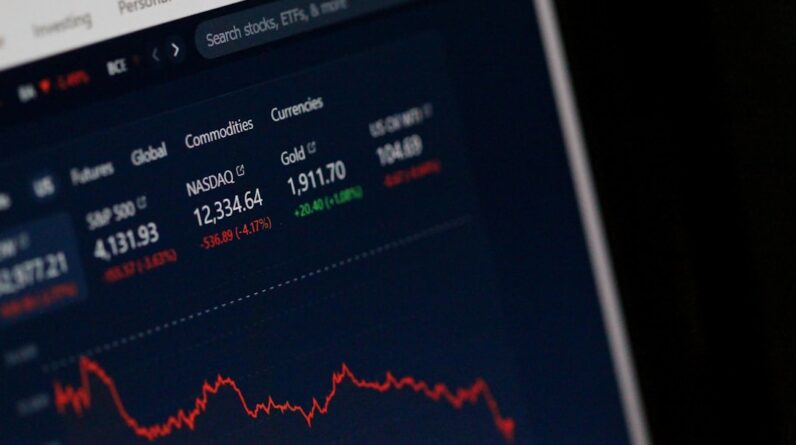
As you explore the world of cryptocurrency further, you’ll quickly notice its notorious volatility. Prices can swing dramatically within short periods, creating both opportunities and risks for investors. This volatility can be attributed to several factors, including market speculation, trading volume fluctuations, and external events that impact investor sentiment.
For instance, a sudden tweet from a high-profile individual can lead to rapid price changes that may leave you feeling exhilarated or anxious. While volatility can present opportunities for profit through trading strategies like day trading or swing trading, it also poses significant risks for those looking to use cryptocurrency as a long-term store of value. You may find that the emotional rollercoaster associated with price fluctuations can lead to impulsive decisions that undermine your investment strategy.
Understanding this volatility is crucial; it requires a careful approach that balances risk tolerance with investment goals. As you consider your options, remember that while volatility can be daunting, it also reflects the dynamic nature of an emerging asset class.
The Role of Regulation in Cryptocurrency’s Value
Regulation plays a pivotal role in shaping the value of cryptocurrencies and their acceptance in mainstream finance. As you observe the evolving landscape, you’ll notice that governments around the world are grappling with how to regulate digital currencies effectively. On one hand, clear regulations can provide legitimacy and foster trust among investors; on the other hand, overly restrictive measures can stifle innovation and drive investors away from certain markets.
You may find that regulatory developments can lead to significant price movements in cryptocurrencies. For example, when a country announces favorable regulations or recognizes cryptocurrencies as legal tender, it often results in increased demand and higher prices. Conversely, news of crackdowns or bans can lead to sharp declines in value as investors react to perceived threats to their investments.
Staying informed about regulatory changes is essential for anyone looking to navigate the cryptocurrency landscape successfully; it allows you to anticipate market shifts and adjust your strategies accordingly.
The Potential for Cryptocurrency as a Long-Term Store of Value

As you contemplate the potential for cryptocurrency as a long-term store of value, it’s essential to consider both its advantages and challenges. Proponents argue that cryptocurrencies like Bitcoin possess characteristics that make them suitable for long-term wealth preservation. Their decentralized nature protects them from government interference and inflationary pressures associated with fiat currencies.
Additionally, as more individuals and institutions adopt cryptocurrencies for transactions and investments, their utility may increase, further solidifying their status as a store of value. However, it’s crucial to approach this potential with caution. The cryptocurrency market is still relatively young and evolving rapidly; what may seem like a promising trend today could change tomorrow.
You should consider diversifying your investments across various assets rather than putting all your faith in one type of currency. By doing so, you can mitigate risks while still participating in the potential growth of cryptocurrencies as they continue to mature in the financial landscape.
Risks and Challenges of Using Cryptocurrency as a Store of Value
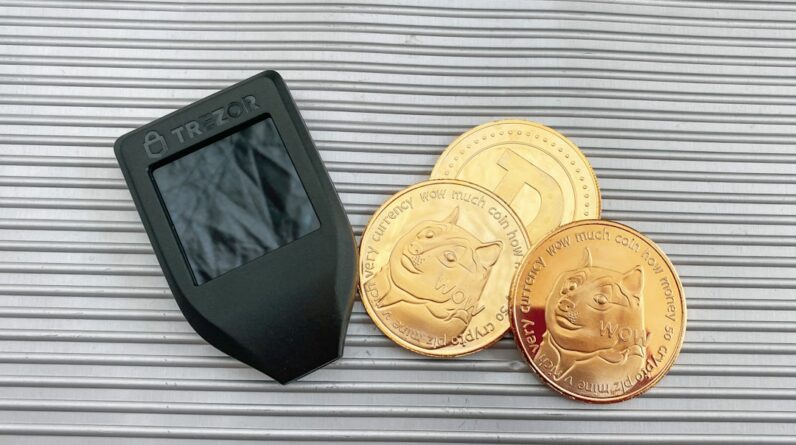
While the allure of using cryptocurrency as a store of value is undeniable, it’s essential to recognize the inherent risks and challenges involved. One significant concern is security; despite advancements in blockchain technology, exchanges and wallets are not immune to hacking attempts or fraud. As you consider investing in cryptocurrencies, it’s vital to prioritize security measures such as using hardware wallets or two-factor authentication to protect your assets.
Another challenge lies in the lack of historical data compared to traditional stores of value like gold or real estate. The relatively short lifespan of cryptocurrencies means that their long-term performance remains uncertain. You may find yourself grappling with questions about their resilience during economic downturns or their ability to maintain value over decades.
By acknowledging these risks upfront and conducting thorough research before investing, you can better position yourself for success in this exciting yet unpredictable market.
The Future of Cryptocurrency as a Store of Value
Looking ahead, the future of cryptocurrency as a store of value remains an intriguing topic filled with possibilities. As technology continues to advance and more people become familiar with digital currencies, you may witness increased adoption across various sectors—from retail transactions to institutional investments. This growing acceptance could enhance the legitimacy of cryptocurrencies and solidify their role in the global financial system.
However, challenges remain on the horizon. Regulatory frameworks will continue to evolve, potentially impacting how cryptocurrencies are perceived and utilized as stores of value. Additionally, competition from emerging technologies—such as central bank digital currencies (CBDCs)—could reshape the landscape further.
As you keep an eye on these developments, remember that staying informed and adaptable will be key to navigating the future of cryptocurrency successfully. Embracing both its potential and its challenges will empower you to make informed decisions about your investments in this dynamic arena.
FAQs
What is cryptocurrency?
Cryptocurrency is a digital or virtual form of currency that uses cryptography for security and operates independently of a central bank.
What is a store of value?
A store of value is an asset that can be saved, retrieved, and exchanged at a later time, and be predictably useful when retrieved.
Is cryptocurrency considered a store of value?
The status of cryptocurrency as a store of value is a topic of debate. Some argue that its limited supply and decentralized nature make it a potential store of value, while others point to its volatility and lack of widespread acceptance as barriers to its use as a store of value.
What are some examples of cryptocurrencies?
Some examples of cryptocurrencies include Bitcoin, Ethereum, Ripple, Litecoin, and many others.
What factors contribute to the debate over whether cryptocurrency is a store of value?
Factors contributing to the debate include the volatility of cryptocurrency prices, its limited adoption as a medium of exchange, and the lack of regulatory clarity in many jurisdictions.