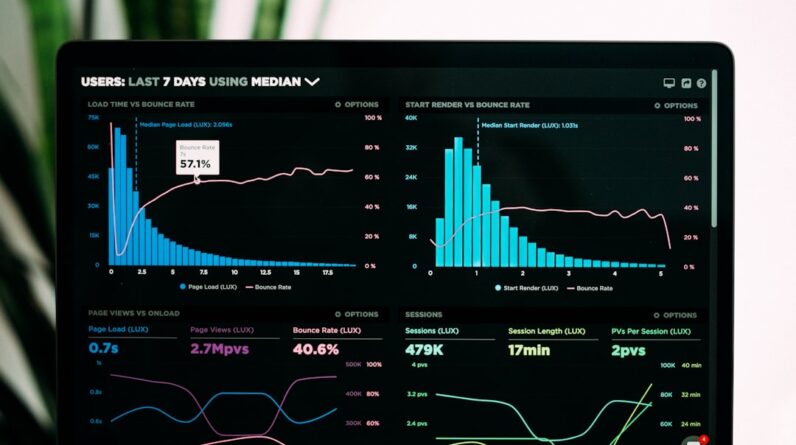
Have you ever wondered if you could make $100 a day trading stocks? It’s a question that many ambitious individuals ponder as they look to augment their income or even find a new path in personal finance. The idea of actively participating in the stock market can be thrilling, but it’s essential to understand the complexities involved in day trading.
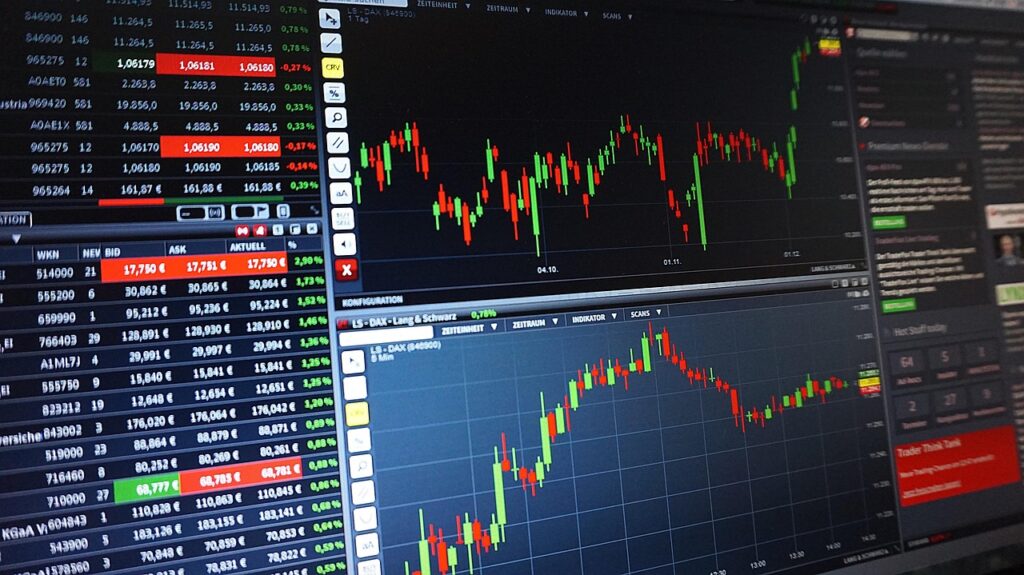
What is Day Trading?
Day trading refers to the practice of buying and selling financial instruments within the same trading day. This approach is not for the faint-hearted; it demands a good understanding of market conditions, technical analysis, and a significant amount of dedication.
In day trading, positions are usually closed out before the market closes, preventing any overnight exposure to market fluctuations. While some may make it seem like a quick way to earn significant profit, the reality is that it requires skill, timing, and, most importantly, strategy.
Setting Realistic Expectations
To answer your burning question, yes, it is possible to make $100 a day day trading. However, it’s vital to set realistic expectations before jumping in.
Risk of Loss
Day trading is inherently risky. The potential for making money exists, but so does the risk of losing it. Understanding your risk tolerance is crucial. Some traders may be comfortable risking a small percentage of their capital for the chance of larger gains, while others may prefer a more conservative approach.
Trading Strategy
Your success in day trading will heavily rely on the strategy you adopt. This could range from momentum trading and scalping to swing trading. Each strategy requires a different approach and understanding of market dynamics, so pick one that aligns with your goals and personality.
The Financial Commitment Required
While the idea of making $100 a day might seem appealing, you should consider the financial investment needed to potentially reach that goal.
Starting Capital
Your starting capital will play a significant role in your ability to generate that daily target. In day trading, brokers often require a minimum investment. This can range from as low as $500 to several thousand dollars, depending on the brokerage and the types of trades you wish to execute.
| Type of Broker | Minimum Start-Up Capital |
|---|---|
| Discount Broker | $500 – $1,000 |
| Full-Service Broker | $2,000 – $25,000 |
Brokerage Fees
Keep in mind that while a higher starting capital may give you more room for profit, brokerage fees can eat into your earnings. Opting for a broker with lower commissions can help keep your trading costs down.
Tools and Resources for Day Trading
Investing in the right tools can significantly enhance your trading performance.
Trading Platforms
Selecting an efficient trading platform can offer vital tools such as real-time data analysis, charting capabilities, and order execution. Look for features that support your trading style, whether you are focusing on price action, technical indicators, or fundamental analysis.
Educational Resources
The learning curve in day trading can be steep, so investing time in educational resources is crucial. You can consider books, online courses, and webinars that focus on day trading strategies, risk management, and market analysis techniques.

Mastering Successful Day Trading Techniques
To increase your chances of making that consistent $100 a day, you need to master successful techniques that suit your trading style.
Technical Analysis
Technical analysis involves studying past market data, primarily price and volume, to forecast future price movements. Familiarizing yourself with key indicators such as moving averages, RSI, and MACD can help you make informed trading decisions.
Setting Stop-Loss and Take-Profit Orders
To effectively manage risk and secure profits, incorporating stop-loss and take-profit orders in your trading strategy is essential. A stop-loss order automatically sells a position when it reaches a certain price, while a take-profit order locks in your profits when a security reaches a predetermined level.
Psychological Aspects of Day Trading
This journey isn’t just about numbers; your mental state can influence your trading decisions immensely.
Emotional Discipline
Having emotional discipline can be your strongest ally in day trading. Fear and greed can lead to impulsive decisions, which may compromise your strategies. Developing a routine that allows you to assess trades objectively can help you remain grounded.
Managing Stress
The fast-paced environment of day trading can lead to stress and anxiety. Establishing a balanced routine, including breaks and proper rest, is essential for maintaining a clear head while trading.

Building a Trading Plan
A well-structured trading plan is fundamental for day trading success. Your trading plan should encompass:
Goals
Setting clear, achievable goals will give you direction in your trading journey. Whether it’s targeting a percentage return on your capital or a specific dollar amount per day, having concrete objectives can keep you motivated.
Risk Management Guidelines
Outline how much you’re willing to risk on each trade. Determine your position sizes based on your overall capital and adopt rules that help mitigate losses, thereby protecting your trading account.
Review and Adjust
Continuously reviewing your trading performance helps identify strengths and weaknesses in your strategy. Make adjustments as necessary to improve your results consistently.
The Learning Curve of Day Trading
It’s crucial to acknowledge that not every trader will consistently make $100 a day, especially in the beginning.
Start Small
As you navigate through day trading, consider starting small. This approach allows you to learn without risking too much capital. As you gain confidence and experience, you can gradually increase your position sizes.
Maintain a Trading Journal
Keeping a trading journal can be immensely beneficial. Documenting your trades, including the rationale behind your decisions, can help identify patterns and areas for improvement. Over time, this retrospective analysis will enhance your trading acumen.

Potential Challenges in Day Trading
Every journey comes with challenges, and day trading is no different. Anticipating potential setbacks can prepare you mentally and strategically.
Market Volatility
Markets can be unpredictable, and volatility can affect your trading plan. Being adaptable and aware of current events and market conditions can help you navigate these shifts.
Time Commitment
Day trading usually requires considerable time and attention as you’ll need to monitor markets closely throughout the trading day. Ensure you are prepared for the required time commitment to make informed trades.
Conclusion: The Bottom Line
So, can you make $100 a day day trading? Ideally, yes, but it requires dedication, discipline, and a clear strategy. You have to invest not only financially but also in learning, understanding the market, and honing your skills. With that in mind, day trading can potentially be a rewarding venture.
Remember, it’s crucial to practice patience and persistence. Many seasoned traders have stories of struggle before achieving consistent profits. Stay focused, learn from your setbacks, and adapt your strategies as you grow.
The world of day trading is thrilling and challenging, and while the road ahead may not be perfectly paved, with commitment and a proactive approach to your trading journey, you can work towards that daily income goal. Good luck—you’ve got this!