Have you ever wondered how technologies like cryptocurrencies and blockchain can reshape the way we manage supply chains? It’s a fascinating topic that merges finance, technology, and logistics to create more efficient means of tracking products from origin to consumer.

Understanding Blockchain Technology
Blockchain technology is essentially a decentralized digital ledger that records transactions across many computers. This ensures that the record cannot be altered retroactively without changes being made to all subsequent blocks and the consensus of the network. It’s like a transparent and secure way of keeping track of everything that happens in a supply chain.
What Makes Blockchain Unique?
Unlike traditional databases that are controlled by a single entity, blockchain relies on a network of computers to collectively manage data. This decentralization promotes trust among parties who may not necessarily trust each other. Each participant has access to the same information around the clock, which adds another layer of accountability.
Features of Blockchain
- Transparency: Every transaction is visible to those with access to the blockchain, reducing the chances of fraud.
- Security: Transactions are encrypted, meaning they are very difficult to alter without consensus from the network.
- Traceability: From the moment a product is created to the moment it reaches the consumer, every step can be tracked.
Cryptocurrencies: A New Form of Payment
Cryptocurrencies like Bitcoin and Ethereum offer a decentralized method of conducting transactions. Unlike traditional currency, which depends on banks for validation, cryptocurrencies use blockchain technology to authenticate transactions. This can streamline payments within supply chains, especially in cross-border situations.
Advantages of Using Cryptocurrencies
- Lower Transaction Fees: Traditional financial institutions often charge high fees for processing payments, especially internationally. Cryptocurrencies can drastically reduce these fees.
- Speed: Transactions can be completed in a matter of minutes, rather than days when using traditional banking systems.
- Accessibility: Anyone with an internet connection can partake in cryptocurrency transactions, potentially expanding the pool of suppliers and consumers you can work with.
Integrating Blockchain into Supply Chain Management
Incorporating blockchain technologies into supply chain management can offer better oversight, efficiency, and trust between partners.
Considerations for Implementation
1. Stakeholder Buy-In
Getting everyone on board is essential. All parties involved need to see the benefits and understand the technology. If just one link in the supply chain refuses, it can lead to failure in the system.
2. Infrastructure and Technical Capabilities
You need to assess existing infrastructure. Is it compatible with blockchain? You may need new systems or processes to make the transition smooth.
3. Regulation and Compliance
Every industry has regulations. Before implementing blockchain, you’ll want to ensure compliance with all laws governing your sector. This includes data privacy laws, especially if you’re handling consumer information.
4. Training and Development
Employees will need to understand how to operate within a blockchain system. This may require comprehensive training programs to provide your staff with the necessary skills.
5. Data Management
With all the data on transactions stored on the blockchain, ensure that you have a strategy to manage this data. You’ll need to decide what to keep, what can be discarded, and how to secure sensitive information.
Enabling Traceability through Blockchain
The power of blockchain lies in its ability to create traceability throughout the supply chain. This is particularly beneficial for industries where product authenticity is crucial, such as pharmaceuticals or luxury goods.
Key Aspects of Traceability
1. Provenance
With blockchain, you can track the origin of products, creating trust in the authenticity of goods. Customers can see exactly where their products come from and how they have been handled throughout the process.
2. Quality Control
As products are monitored through blockchain, it becomes easier to ascertain if quality standards are met at each stage. If a product is recalled, you can trace back through the entire chain to identify which batches need to be pulled from the market.
3. Reduced Counterfeiting
Blockchain can help combat counterfeiting, especially in high-value goods. By confirming the legitimacy of products at every step, businesses can assure their customers they are buying genuine items.

Challenges in Integrating Cryptocurrencies and Blockchain
While there are immense benefits to integrating cryptocurrencies and blockchain technologies into supply chain management, challenges still exist.
Economic Volatility
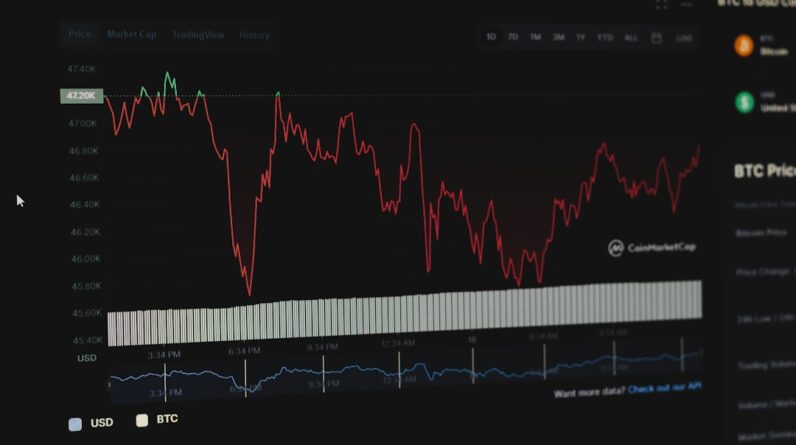
Cryptocurrency values fluctuate significantly. This volatility can complicate transactions, particularly if you’re pricing goods in a currency that is often changing in value.
Technology Limitations
Blockchain technology is still evolving. Issues like scalability and speed need to be addressed to ensure that it can handle large volumes of transactions effectively.
Integration Costs
Initial setup and integration can come with a hefty price tag. Consider whether the long-term savings and efficiency improvements will outweigh these costs.
Regulatory Uncertainty
As digital currencies and blockchain technologies are relatively new, regulations surrounding them are still being developed. Businesses need to stay informed and adaptable to navigate potential changes in laws.
Beyond the Basics: Advanced Considerations
Once you have the core elements of your blockchain supply chain system in place, consider these advanced factors that can further improve your operations.
Smart Contracts
Smart contracts are self-executing contracts with predefined terms written into code. Using smart contracts can automate processes in your supply chain, reducing the need for intermediaries and speeding up transactions.
| Benefits of Smart Contracts | Challenges |
|---|---|
| Automates repetitive tasks | Requires technical skill |
| Reduces transaction costs | Legal recognition varies |
| Enhances efficiency | Vulnerable to coding errors |
Sustainability Tracking
With growing consumer demand for sustainable practices, blockchain allows companies to track their environmental footprint closely. You can showcase efforts to reduce carbon emissions, water usage, and ethical sourcing by documenting these practices in a transparent manner.
Collaboration Across Sectors
Blockchain doesn’t just improve supply chain efficiency; it fosters collaboration between different sectors. By enabling easier data sharing, businesses can work together to solve complex problems and drive innovation.

Real-World Examples
Many companies have started integrating blockchain and cryptocurrencies into their operations. This shift can serve as inspiration for your implementation strategy.
Walmart
Walmart has successfully implemented blockchain technology to trace the origin of food products. By scanning products at each stage, they can quickly identify the source of any contamination, thereby enhancing consumer safety.
Maersk
The shipping giant Maersk has partnered with IBM to create TradeLens, a blockchain-based platform. This initiative increases transparency in cargo shipping and reduces paperwork by digitizing and simplifying the process.
De Beers
In the diamond industry, De Beers is using blockchain to trace the journey of diamonds from the mine to the consumer. This initiative aims to combat the sale of conflict diamonds and promote ethical sourcing.
The Future of Supply Chain Management with Crypto and Blockchain
Thinking ahead, the landscape of supply chain management will increasingly benefit from the integration of cryptocurrencies and blockchain. With each advancement in technology, new possibilities arise.
Predictive Analytics
Artificial Intelligence, paired with blockchain data, can enable predictive analytics. Businesses can forecast demand with greater accuracy, optimizing inventory levels and reducing waste.
Global Supply Chains
As cryptocurrency adoption grows, it may ease transactions across borders, reducing reliance on traditional banking systems, which can be slow and cumbersome.
Enhanced Consumer Engagement
Consumers are becoming more interested than ever in knowing where their products come from. Blockchain enables brands to provide transparent information, thus improving customer loyalty and engagement.

Conclusion
Integrating cryptocurrencies and blockchain technology into supply chain management comes with numerous considerations and complexities. However, the potential benefits could lead to enhanced transparency, traceability, and efficiency in a system that is often opaque and burdened by inefficiencies.
As you contemplate these technologies for your own supply chain strategy, remember that the journey may require patience and a willingness to adapt. The future is bright and ripe for transformation in ways we have yet to fully realize—so why not be part of that evolution? Your endeavors can not only enhance your own operations but could also lead the way for others to follow.